Expert Electrical Diagnosis & Repair in Savannah, GA
Finding the Source of Your Electrical Problem
Expert Electrical Diagnosis & Repair in Savannah, GA
Finding the Source of Your Electrical Problem
Book Online

Service You Can Trust!
Let us know how we can help you today.
Electrical Diagnosis and Services
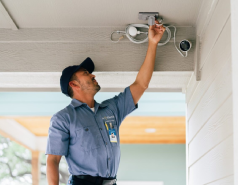
The best time to catch problems with your electrical system is before you begin to notice them. Our electrical safety inspections are designed to do just that. A uniformed electrician checks every part of your home’s electrical system, from its circuit breakers to its wiring. Then, we give you a list of recommended repairs, highlighting any especially urgent repairs. Some of the electrical services we might recommend include:
- Wiring Upgrades
- Outlet Installation
- Child Proof Outlets
- Circuit Breaker Replacements
- Dedicated Computer Circuitry
- Whole House Surge Protectors
- GFCI or AFCI Outlet Installation
- Electrical Code Updates and Corrections
Electrical Installation Solutions
Resolving an issue with your electrical system might require the installation of some new component or fixture. If your breakers are repeatedly tripping, we may need to install new breakers to handle the extra electrical load. Our residential electrical diagnosis and repair team has experience installing everything from outlets to EV charging stations, so we can prepare you for what to expect every step of the way. Some of the things we install include:
- Switches & Receptacles
- Customer-supplied Ceiling Fans & Light Fixtures
- Recessed Lighting
- Flood Lighting
- Pool Wiring & Lighting
- Dock Wiring
- Landscape Lighting Design and Installation
- LED Retrofits
- Concealed Wiring for Wall-Mounted Audio-Visual Equipment
- EV Chargers
- Exhaust Fans
- Circuit Breakers & Dedicated Circuits
- Electrical Panels & Service Upgrades
- Mast Pipe and Meter Can Replacement
- Home Generators
- Whole House Surge Protectors
- Carbon Monoxide and Smoke Detectors
Residential & Commercial Services






We have the power to make things better.®