The National Electrical Code (NEC) dictates standards for the installation, repair, and design of electrical systems in residential, industrial, and commercial buildings. The code is published by the National Fire Protection Agency (NFPA). This code is updated every three years, and you will likely need electrical code update services to make sure your home complies. At Mr. Electric of Paulding County, we offer professional electrical code corrections in Paulding County, GA.
Electrical Code Updates & Corrections in Paulding County, GA
Professional Electrical Code Corrections in Paulding County
Electrical Code Updates & Corrections in Paulding County, GA
Professional Electrical Code Corrections in Paulding County

Book Online
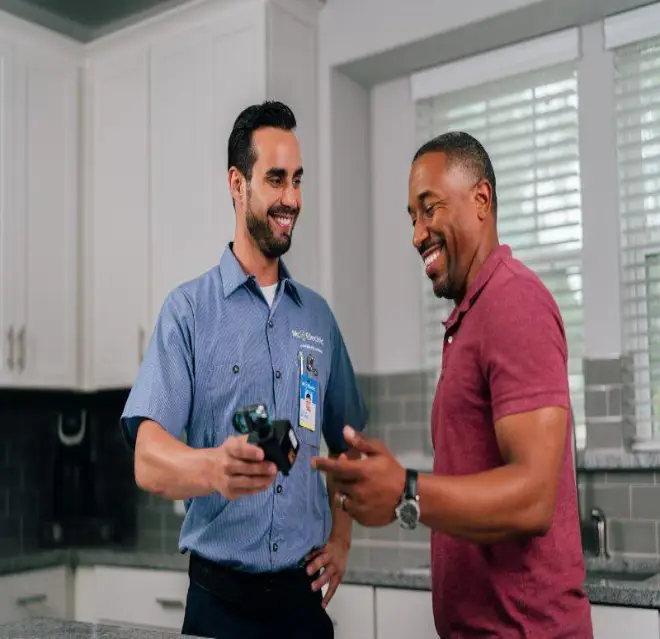

Service You Can Trust!
Let us know how we can help you today.
Read Through Recent Electrical Code Updates
The most recent NEC update was in 2020. The most important updates to residential customers were the following:
- Exterior emergency power disconnect switches must be installed at all new one- and two-family dwellings. This measure is intended to make working conditions safer for emergency responders.
- Service disconnect rules concerning de-energizing panel boards have been altered to improve electrical worker safety; that includes your local Mr. Electric.
- Load calculation tables have been revised to reflect modern improvements in energy efficiency. The change is largely due to the widespread use of LED lighting, which is drastically more energy-efficient than older bulb types.
- A new general requirement has been instituted to cover cables exposed on ceilings and walls.
- Requirements for GFCI protection have expanded to include all 125- and 250-volt receptacles supplied by a single-phase circuit of 150 volts or less to ground.
- All basement receptacles must also have GFCI protection, regardless of whether the basement is finished.
- A new section has been added governing the use of modern Ethernet cables that transmit data and electrical power simultaneously.
- Requirements for solar-generated energy storage continue to be revised to keep pace with evolving home energy storage technologies, such as the Tesla Powerwall home battery.
- Surge protection requirements have been enhanced to protect sensitive safety equipment, such as hard-wired smoke alarms.
- A new item in the code governs how homeowners may transfer power from electric vehicle (EV) batteries to residential wiring.
Residential & Commercial Services






We have the power to make things better.®