Electrician in Edmonton | Licensed Electrical Contractor
Your home's electrical system is the foundation of everything running inside it. When something goes wrong, or when you are ready to upgrade, you need a licensed electrical contractor who knows Edmonton's housing stock, Alberta's Safety Codes, and the Canadian Electrical Code inside out. Mr. Electric® of Edmonton is a locally owned and operated franchise serving Edmonton, St. Albert, and Strathcona County. Our skilled electricians treat your home with the same care they would give their own.

Book Online
A representative from our office will get back to you shortly to schedule service.
Due to a system error, we did not get your request. Please call us for immediate assistance.
We don't currently provide service to this ZIP/Postal code.
Yes! You can email me service reminders and other messages.
Mr. Electric, a Neighbourly Company on its own behalf and on behalf of and its affiliates and franchisees requests your consent to send promotional and other electronic messages to you concerning products and services they believe are of interest to you. By checking this box, you agree to receive these messages. You can unsubscribe at any time.
Text opt-in does not apply for Canadian residents.
Residential and Commercial Electrical Services in Edmonton
We provide electrical services for homes and businesses throughout Edmonton, St. Albert, and Strathcona County. As part of the Neighbourly network, we follow national training standards and safety regulations while staying rooted in the local communities we serve. Our electricians are licensed through Alberta Apprenticeship and Industry Training, fully insured, and thoroughly background-checked. We handle everything from electrical repairs to EV charger installation. When you call Mr. Electric of Edmonton, you reach a local team who knows your neighbourhood, understands the Edmonton area's climate challenges, and brings genuine expertise to every job. Contact us today to get started.
-
Electrical Safety
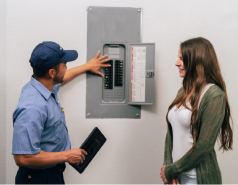
Learn more Electrical SafetyMr. Electric can perform a safety inspection to ensure correct operation and suggest solutions for any issues.
-
Repairs
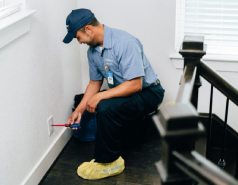
Learn more RepairsWhether you're having issues with hot receptacles, frequent lightbulb burnouts, or improper grounding, we can help.
-
Installations
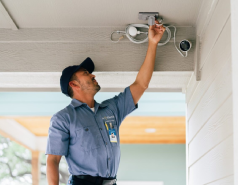
Learn more InstallationsMr. Electric will install and provide generator maintenance so you’re prepared when disaster strikes.
-

Lighting
Learn more LightingWork and live worry-free with our professional specialty lighting options.
Let us know how we can help you today.
Why Edmonton Homeowners Choose Mr. Electric
-
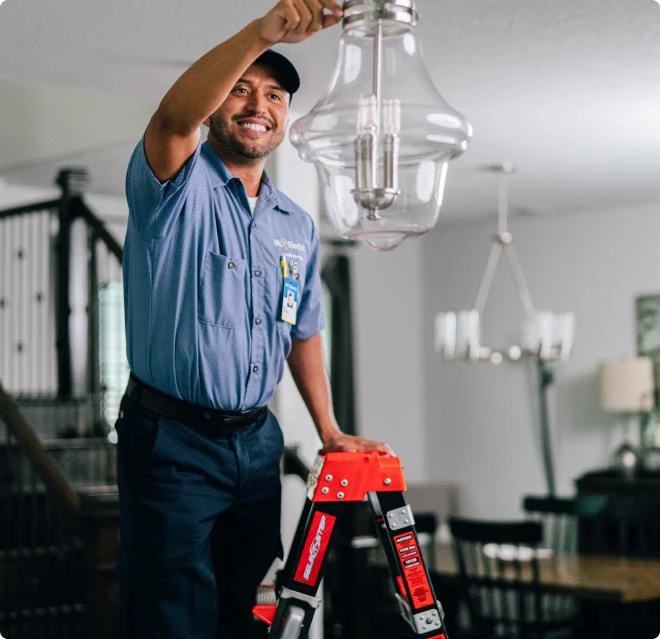
Every electrician on our team holds a valid Alberta license, completes ongoing training, and arrives in a fully stocked service vehicle ready to work. We do not send apprentices to do journeyman work unsupervised. You get experienced, licensed professionals who accurately diagnose electrical problems, explain what they find in plain language, recommend solutions, and complete the work to code. Our customer service standard is simple: we treat your home and your time with respect, and we do not leave until the job is done right. That customer experience starts with the first phone call and carries through to the final inspection.
-
We provide a quote for the job before we start. You know the full cost before any work begins. No hourly billing, no hidden fees, no charges added after the fact. If the scope changes during the job, we discuss it with you first and provide a revised price before proceeding. Quality service means you are never confused about what you are paying for or why.
-
Every job is backed by the Neighbourly Done Right Promise®. If the work does not meet our standards, we return and correct it at no additional cost. Mr. Electric has been part of the Neighbourly family of home service brands since 1994. Our track record matters to us, and we protect it on every job we take in Edmonton and the surrounding area. For the quality work and customer service you deserve, give Mr. Electric of Edmonton a call today!
9426 51 Ave NW Suite 201 Edmonton, AB T6E 5A6, CAN
Areas We Serve
Customer Reviews
View All Testimonials
The Neighbourly Done Right Promise delivered by Mr. Electric®, a proud Neighbourly company.
Easy Online BookingPartnerships and Achievements
Frequently Asked Questions About Electrical Services in Edmonton
-
Repeated circuit breaker trips on the same circuit mean your electrical system has a problem that needs professional attention. The three most common causes are an overloaded circuit, a short in the circuit wiring, or a failing breaker. An overloaded circuit occurs when the total draw of connected devices exceeds the breaker's rated amperage. A 15-amp circuit can handle up to 1,800 watts continuously before the breaker trips. Edmonton homes see 30 to 40 percent higher electrical demand in the winter months, according to ATCO Electric. Heating systems, block heaters, and space heaters add significant load to circuits not sized for those demands.
A failing breaker trips at loads well below its rating and needs to be replaced. If you reset a breaker and it trips again immediately, stop using the circuit. Repeated trips generate heat at the breaker connection, which damages wiring insulation and creates conditions for arc faults and electrical fires. Call a licensed electrician to diagnose the root cause rather than repeatedly resetting the breaker.
-
Call an emergency electrician immediately if you:
- Smell burning from an outlet, switch, or your electrical panel
- See sparks or smoke from any electrical device
- Hear buzzing or sizzling sounds from your panel or wiring
- Notice outlets or switch plates feeling hot to the touch
- Lose power to your home when your neighbours still have power
These are not minor inconveniences. They are warning signs of arcing, overheating connections, or imminent electrical fires. The Electrical Safety Authority of Canada reports that electrical failures cause approximately 25 percent of residential fires in Canada. Faulty wiring and overloaded circuits are listed as the leading contributors. If your panel is smoking or sparking, turn the main breaker off if safe to do so, leave your home and call Epcor or 911 before you call an electrician. For urgent but non-immediately dangerous electrical problems, such as a circuit not resetting or an outlet that stopped working, schedule a priority service appointment. Trust your instincts. If something feels unsafe, treat it as an emergency.
-
Most homes in Edmonton are equipped with a 100-amp electrical panel. A modern home running central air conditioning, an electric range, a home office, and an EV charger will likely exceed 100-amp capacity. Full panel upgrades or an energy management system installation will give your home the electrical infrastructure needed to operate safely and reliably. Your home may need a panel upgrade or an energy management system if:
- Built before 1990 and still has the original 100-amp service
- Breakers trip frequently, even after you reduce the load on a circuit
- Lights dim noticeably when large appliances start
- You are planning to install an EV charger
- You are finishing a basement or adding a major appliance
Homes in older Edmonton neighbourhoods like Strathcona, Bonnie Doon, Old Glenora, and Westmount were built with 60-amp panels designed for a fraction of today's electrical demand. Modern homes running central air conditioning, an electric range, a home office, and an EV charger routinely exceed 100-amp capacity. The Canadian Electrical Code load calculation method confirms that most homes undergoing major renovations or adding an EV charger will surpass 100-amp service limits. A licensed electrician performs a load calculation during an inspection to determine whether your current panel meets your actual electrical needs and provide solutions to increase capacity.
-
An EV charger installation in Edmonton requires more planning than most homeowners expect. A Level 2 home charger requires a dedicated 240-volt circuit rated for 30 to 50 amps, with 6 AWG,8 AWG or 10 AWG copper wiring sized to the charger specifications and the distance from your electrical panel. Before installation, a licensed electrician assesses your panel capacity using a full load calculation.
Many Edmonton homes built before 1990 have 100-amp service and require a service upgrade before an EV charger can be installed. For outdoor installations in Edmonton's climate, cold-rated conduit and weatherproof enclosures rated for below -40 degrees Celsius are required. Your electrician pulls the City of Edmonton electrical permit, completes the installation, and coordinates the inspection. Alberta saw a 58 percent increase in zero-emission vehicle registrations from 2021 to 2022, according to Statistics Canada. This makes EV charger installation one of the most requested electrical upgrades in Edmonton today.
-
Homes in mature Edmonton neighbourhoods, including Strathcona, Bonnie Doon, Old Glenora, Westmount, Highlands, and Ritchie, were built primarily between 1950 and 1980. The most common electrical problems we find in these homes are:
- Aluminum wires installed during the 1960s and 1970s due to the copper shortage
- Ungrounded two-prong outlets
- Knob-and-tube wiring in pre-1950s homes
- Federal Pacific or Zinsco panels with documented breaker failure rates
Aluminum wires expand and contract more than copper with temperature changes. Over the decades, this movement loosens connections at outlets, fixtures, and breakers, creating heat and arc-fault conditions. The Canadian Mortgage and Housing Corporation identifies knob-and-tube wiring as a two-wire ungrounded system incompatible with modern appliances. Many insurance companies refuse coverage or charge significantly higher premiums for homes with active knob-and-tube wiring. If you own a home in one of these neighbourhoods, an electrical safety inspection identifies the specific issues present and prioritizes them by risk. Electrical upgrades typically include a full panel replacement, remediation of aluminum wiring, GFCI installations throughout wet areas, and arc-fault protection in living spaces.
-
Edmonton's average January low sits around -15 degrees Celsius, with recorded extremes below -40 degrees. Those temperatures affect outdoor electrical components, GFCI outlet performance, and overall electrical demand in ways electricians in milder climates rarely encounter. Outdoor GFCI outlets trip more frequently in winter because moisture infiltrates the outlet housing, freezes, expands, and interferes with the ground fault detection mechanism. Electrical panels in unheated garages operate less efficiently in extreme cold, and plastic components in older panels become brittle.
Block heaters add 1,000 to 1,500 watts of continuous load per vehicle. A home with two vehicles running block heaters on a single 15-amp garage circuit draws more than twice the circuit's rated capacity. Edmonton homes see 30 to 40 percent higher electrical demand in winter compared to summer, according to ATCO Electric. If your outdoor outlets stop working in cold weather, your garage circuits trip repeatedly during winter, or your panel sits in an unheated space, contact a licensed electrician to assess whether your wiring systems, outlets, and breakers are rated for Edmonton's conditions.
-
GFCI protection is required wherever water and electricity are present. The ground fault circuit interrupters prevent electrocution by detecting unintended current flow and shutting off power in approximately one-fortieth of a second. When current finds an unintended path to ground, such as through a person's body or through water, the GFCI senses the imbalance at 4 to 6 milliamps and trips immediately. The U.S. Consumer Product Safety Commission and the Electrical Safety Authority of Canada both report having GFCI protection reduces electrocution deaths by more than 80 percent in protected areas.
The Canadian Electrical Code has required GFCI protection in kitchens and bathrooms since 1975. Subsequent editions expanded the requirements to cover garages, outdoor outlets, unfinished basements, and other damp locations. If your kitchen or bathroom outlets do not have TEST and RESET buttons on the outlet face, they may not be GFCI-protected. A licensed electrician installs GFCI outlets or GFCI breakers to bring your home up to current safety regulations. Test your GFCI outlets monthly by pressing the TEST button. Replace any outlet that doesn’t trip when tested.
-
Flickering or dimming lights point to loose electrical connections, an overloaded circuit, voltage drop from undersized wiring, or a problem at your utility service entrance. Brief dimming when a large motor starts, such as your air conditioner compressor or refrigerator, is normal because motors draw high starting current for a fraction of a second. But persistent flickering is not normal and needs investigation. Loose connections at outlets, light switches, or inside your electrical panel create resistance. Resistance generates heat that damages wiring insulation and creates conditions for arc faults and electrical fires.
The Electrical Safety Authority of Canada identifies loose connections and faulty wiring as leading causes of residential electrical fires in Canada. If flickering happens throughout your home, the problem is at your service entrance, meter base, or utility transformer. If flickering is limited to one room or one circuit, the problem is inside your home's wiring. Contact a licensed electrician to inspect the circuit, connections, and panel. If all lights in your home dim simultaneously and dramatically, contact EPCOR first to rule out a utility supply issue before calling an electrician.
-
Lighting installation covers a wide range of work, from adding pot lights in a finished basement to a complete LED fixture upgrade throughout your home. Pot lights, also called recessed lights, are the most common lighting installation request we receive across Edmonton and Strathcona County. Before we install pot lights, we assess the ceiling cavity for insulation depth. We identify whether IC-rated or non-IC-rated fixtures are required and check for obstructions like joists and ductwork. We plan the layout for proper spacing and beam coverage. Getting the pot light placement wrong means uneven light distribution and shadows in the wrong places. We plan the layout first and confirm it with you before we cut a single hole.
LED fixtures reduce energy consumption by approximately 75 percent compared to incandescent bulbs, according to Natural Resources Canada. Switching to LED fixtures across your home lowers your monthly electricity bill and reduces how often you replace bulbs. We install LED fixtures, retrofit existing fixtures with LED-compatible drivers, and replace outdated fluorescent tube lighting with modern LED panels. We also install dimmer switches, light switches with motion sensors, and occupancy sensors to further reduce energy consumption. Whatever your lighting needs, we assess your space, explain the options, and install what works best for your home.
-
We install and replace standard 120-volt outlets, 240-volt outlets for large appliances, USB outlets, tamper-proof outlets, and GFCI outlets throughout Edmonton homes. GFCI installations are required in kitchens, bathrooms, garages, and outdoor areas under the Canadian Electrical Code. Tamper-proof outlets have an internal shutter mechanism that only opens when equal pressure is applied to both slots simultaneously, preventing children from inserting objects into a single slot. Tamper-proof outlets have been required in all new dwelling unit receptacles since the 2009 Canadian Electrical Code edition. If your home still has older outlets without tamper-proof shutters, we replace them during a safety inspection or as a standalone service.
Light switches are often overlooked until they fail or become a safety concern. We replace standard single-pole switches, three-way switches, and four-way switches, and we install dimmer switches, timer switches, and motion-activated light switches. Older light switches showing discoloration, buzzing, or heat are warning signs of a loose connection or a failing switch. We replace them before they become a larger electrical problem.
-
Panel-level surge protection protects every circuit in your home from voltage spikes caused by lightning, utility switching events, and large motor equipment cycling on and off. Alberta sees approximately 100,000 to 200,000 lightning strikes annually, according to the Insurance Bureau of Canada. A single nearby strike sends a surge through your utility line that destroys electronics, appliances, and sensitive equipment in seconds. A whole-home surge protector mounts directly at your electrical panel and absorbs surges before they reach your circuits. Individual power bars provide secondary protection at the device level, but they do not protect hardwired appliances like your refrigerator, HVAC system, or water heater. Whole-home surge protection does. Installation takes one to two hours and requires an open breaker slot in your panel.
-
We perform electrical safety inspections to identify potential code violations, safety hazards, and components of your electrical system that need attention before they cause electrical failures. An electrical safety inspection is not a pass-or-fail test. A licensed electrician assesses your home's electrical system, explains their findings, and prioritizes issues by risk. During an inspection, we check your electrical panel for proper breaker sizing, correct wiring connections, signs of overheating, and adequate capacity for your current load. We test every GFCI and AFCI device in your home. We inspect outlets and light switches for damage, discoloration, and loose connections. We verify that your wiring systems meet current safety regulations and identify any aluminum wiring, knob-and-tube wiring, or outdated components that need attention.
Electrical safety inspections are particularly valuable for homes over 20 years old, homes you recently purchased, and homes with DIY electrical work done without permits. After the inspection, we provide a written report with findings prioritized by safety risk. You decide what to address and when to address it. There is no obligation to proceed with any work following the inspection.
-
Wiring systems in older Edmonton homes present some of the most common and serious electrical safety concerns we encounter. Aluminum wires, installed in many Canadian homes between 1965 and 1975 during a copper shortage, expand and contract more than copper with temperature changes. As the years passed, this movement caused connections to loosen at outlets, fixtures, and breakers. Loose connections create heat. Heat creates arc faults. Arc faults cause electrical fires. Aluminum wires are not inherently dangerous when properly maintained and connected with approved methods. But they require periodic inspection to remain safe, along with aluminum-rated connectors and outlets. We replace aluminum wires with copper where practical and install approved AlumiConn connectors or COPALUM crimps at connection points where full rewiring is not needed.
Knob-and-tube wiring, commonly found in Edmonton homes built before 1950, is a two-wire system with no ground conductor. It was designed for 40-amp service in homes with a fraction of today's electrical load, and is incompatible with modern appliances requiring grounded outlets. Many insurance companies refuse to cover homes with active knob-and-tube wiring or charge significantly higher premiums, according to the Canadian Mortgage and Housing Corporation. We assess knob-and-tube wiring systems, advise on the safest and most cost-effective replacement approach, and complete the rewiring to current Alberta electrical code standards. For basement developments, kitchen renovations, garage wiring, and home additions, we install new wiring systems from the panel to the outlet, correctly sized and protected.
-
The Alberta Fire Code requires hardwired, interconnected smoke alarms on every level of your home, in hallways serving sleeping areas, and inside each bedroom in homes built or renovated after 2006. Carbon monoxide detectors are required in homes with fuel-burning appliances or an attached garage. When one interconnected alarm triggers, every alarm in your home sounds simultaneously. Early warning gives your family more time to evacuate. We install, replace, and test smoke and carbon monoxide detectors to current code requirements. Detectors have a 10-year service life and should be replaced at the end of that period, even if they appear to function normally. Internal components degrade over time regardless of whether the test button still works.
-
Smart thermostats, smart light switches, video doorbells, and connected devices require proper wiring to function correctly and reliably. Many smart switches require a neutral wire at the switch location. Older Edmonton homes frequently lack neutral wires in switch boxes because older wiring systems used switch loops without a neutral conductor. We run the necessary wiring and install the devices. We test all functions and confirm compatibility with your HVAC system and home network before we leave. Smart thermostats reduce energy consumption by learning your schedule and automatically adjusting heating and cooling. We verify compatibility with your specific furnace and air handler before installation to avoid control board issues common with some older HVAC equipment.
-
A GFCI outlet trips when it detects current leaking through an unintended path, which means moisture, a damaged appliance, deteriorated wiring insulation, or a defective outlet. Start troubleshooting by unplugging everything from the outlet and any downstream outlets protected by the same GFCI circuit. Press the RESET button. If the GFCI holds with nothing plugged in, plug your devices back in one at a time to identify the faulty appliance. If the GFCI trips immediately when you press RESET with nothing plugged in, you have a wiring problem or a failed outlet.
Outdoor GFCI outlets in Edmonton trip more often in winter because moisture infiltrates the housing and freezes. GFCI outlets also wear out after 10 to 15 years of use and need to be replaced. The Canadian Electrical Code requires GFCI protection to trip at 4 to 6 milliamps within a fraction of a second. If you cannot identify the cause, or if replacing the outlet does not solve the problem, a licensed electrician inspects the circuit for moisture intrusion, damaged wiring, or ground faults in the wiring behind the wall.
-
Federal Pacific Electric Stab-Lok panels and Zinsco or Sylvania panels have documented high failure rates and should be replaced promptly. Consumer Product Safety Commission investigations have found FPE Stab-Lok breakers frequently fail to trip during overload or short circuit conditions, allowing wiring to overheat and creating conditions for electrical fires. Zinsco panels suffer from bus bar corrosion and breaker failure under similar conditions.
Both panel types were commonly installed in Canadian homes from the 1950s through the 1980s and appear in many older Edmonton neighbourhoods. The risk is significant enough that electrical safety experts and most insurance professionals recommend replacement regardless of whether the panel has failed yet. Many insurance companies refuse coverage or require panel replacement as a condition of renewing a policy on homes with these panels. A licensed electrician assesses your panel, obtains the necessary permits from the City of Edmonton, and installs a modern panel meeting current Alberta electrical code standards. Do not wait for a failure to act on a known safety concern.
-
Most Edmonton homes do not have adequate capacity to add a Level 2 EV charger without a service upgrade. A Level 2 charger requires a dedicated 30 to 50-amp, 240-volt circuit. When you add the charger load to your existing electrical demand, the total often exceeds 100-amp capacity. A licensed electrician performs a load calculation using the Canadian Electrical Code method. It accounts for your heating system, water heater, range, dryer, air conditioning, and the proposed EV charger load. If the calculated demand exceeds 100 percent of your panel's rated capacity, you will need a panel upgrade or an energy management system (EMS) installation.
According to Statistics Canada, EV adoption in Alberta increased 58 percent from 2021 to 2022. Many homeowners discover during an EV charger consultation that their panel is undersized for the current electrical load, even before adding the charger. Have your panel assessed by a licensed electrician before purchasing an EV charger to avoid discovering the upgrade requirement after the fact.
-
GFCI (Ground Fault Circuit Interrupter) protection prevents electrocution by detecting ground faults (unintended current paths to ground), such as through water or a person's body. A GFCI outlet or breaker monitors the current difference between the hot and neutral conductors. When it exceeds 4 to 6 milliamps, indicating current is escaping through an unintended path, the GFCI shuts off power in a fraction of a second to prevent electrocution. AFCI (Arc-Fault Circuit Interrupter) protection prevents electrical fires by detecting arc faults, dangerous sparking events caused by damaged, loose, or deteriorated wiring. An AFCI breaker monitors the circuit for the specific electrical signature of arcing, which generates a characteristic waveform distinguishing it from normal motor or appliance noise.
The Canadian Electrical Code requires GFCI protection in wet and damp locations, including kitchens, bathrooms, garages, and outdoor areas. Arc fault protection was made a requirement in bedrooms as of the 2009 code edition, with the requirement expanded to all living areas in subsequent updates. GFCI outlets have TEST and RESET buttons on the outlet face. AFCI breakers have a test button on the breaker itself inside your panel. Homes built or renovated after 2009 need both types of protection installed where the code requires them.
-
The difference lies behind the purpose of the electrical work in question. An electrical repair aims to restore existing wiring, devices, or equipment to proper working condition. Replacing a failed outlet, fixing a loose connection at a junction box, swapping a tripped breaker that will not reset, or repairing damaged wiring in a wall are all examples of electrical repairs. An electrical upgrade aims to improve or expand your electrical system beyond its current state. Installing a new circuit, adding GFCI or AFCI protection where none existed, or installing an EV charger are all examples of electrical upgrades.
The distinction matters because upgrades typically require permits under the Alberta Safety Codes Act, while minor like-for-like repairs often do not. Our licensed electricians will determine which category your work falls into and will handle the permit process when required. Many seemingly simple electrical problems turn out to involve underlying wiring issues that require a more thorough fix. Our electricians diagnose the full scope of the electrical problem before providing a quote, so you understand exactly what is needed and why.
-
Before your electrician arrives, locate your electrical panel and make sure it is accessible. Remove any storage in front of the panel door, especially in basements and utility rooms, where seasonal items often block access to the panels. If your breakers are unlabeled, your electrician will identify circuits during the visit, but a labelled panel speeds the process. For outlet or switch work, clear the area around the device to give your electrician room to work safely. For panel upgrades or EV charger installations, ensure the garage or utility area is clear, and the EPCOR Electric meter is accessible from the exterior.
Write down any known electrical problems before the appointment: which outlets are not working, which circuit breakers trip and how often, whether you have noticed any burning smells, buzzing, or flickering. This information helps your electrician diagnose electrical problems faster and provides a more accurate assessment on the first visit. Our customer service team is available to answer questions before your appointment and will confirm the details of your service window in advance.
-
Yes. Mr. Electric of Edmonton provides commercial electrical services for offices, retail spaces, light industrial facilities, restaurants, and multi-unit residential buildings throughout Edmonton and the surrounding area, including Strathcona County. Commercial electrical work follows the same Canadian Electrical Code as residential work. But it involves larger panel capacities, higher-voltage equipment, three-phase power systems, and commercial-grade materials rated for continuous duty. Contact us to discuss your commercial electrical project, and we will provide a detailed assessment and upfront pricing before any work begins. Our electricians handle:
- Commercial panel upgrades
- Dedicated circuits for commercial kitchen equipment and industrial machinery
- Commercial lighting installation, including LED fixture retrofits and emergency lighting systems
- Electrical safety inspections for commercial properties
- EV charger station installations for commercial parking lots and fleet vehicle facilities
-
The Alberta Safety Codes Act governs all electrical work in Edmonton, and permits are processed through the City of Edmonton in coordination with the Safety Codes Council. Minor like-for-like replacements, such as swapping an outlet or light switch for an identical unit, typically do not require permits. But any work that changes your electrical system's capacity, protection, or configuration does. Think projects like EV charger installations, adding new circuits, or modifying wiring inside your walls.
Only licensed electricians obtain electrical permits and perform permit-required work. After completion, an accredited Alberta electrical inspector approves the installation before the circuit is energized. Unpermitted electrical work violates safety regulations and creates liability when you sell your home. If discovered, you'll need to have the work redone properly, creating an additional expense. It voids your homeowner's insurance coverage for related claims. Our electricians include permit costs in their upfront quote and handle all permit applications, inspection scheduling, and code compliance documentation on your behalf.
-
Every electrician on our team holds a valid Alberta journeyman or master electrician license issued through Alberta Apprenticeship and Industry Training. We carry full liability insurance and Workers' Compensation Board coverage. The Alberta Safety Codes Act requires all electricians performing permit-required electrical work in Edmonton to hold a valid license. Our electricians complete years of apprenticeship training and pass provincial licensing examinations. Our team stays current with updates to the Canadian Electrical Code through ongoing education. We conduct background checks on every team member before hiring.
When you hire an unlicensed contractor for electrical work, their work will not pass inspection and leaves you personally liable for any damage or injury resulting from the work. Our team arrives in uniform, drives company-branded vehicles, wears shoe covers to protect your floors, and cleans up the work area before leaving. Every job is backed by the Neighbourly Done Right Promise®: if the work is not done right, we return and make it right at no additional cost to you. Customer satisfaction on every job we complete in Edmonton, St. Albert, and Strathcona County is not optional. It is our standard.
Our Blog
View All Blog PostsDangers of an Overloaded Circuit
Overloading an electrical circuit can cause some serious problems. While that may seem obvious, chances are that you’ve caused a circuit overload at least once in your life.
Read More
Is Your Electrical Outlet Not Working?
When the simple task of plugging your cell phone charger or hair dryer into the wall leaves you scratching your head and wondering why
Read MoreExpert Tips
View All Expert Tips

Top 8 Electrical Safety Essentials Your Home Needs
The cliche of "always be prepared" reigns true in most areas of life, but especially in homeownership. You never know when the next electrical storm will hit, when you'll suddenly notice mold and mildew in your basement, or when someone will attempt to break into your home. Even if you feel as though these things could never happen to you, it's better to be safe than sorry.
Read MoreSmart Devices: How Safe Are They?
The market for smart home products is worth an estimated $40 billion, with 65% of Americans already owning at least one device or system and a majority of those planning to purchase more in the future. People embrace this trend to increase security, improve energy efficiency, or gain more control over their home’s day-to-day functions.
Read More

Join Our Team
“We have the power to make things better.” That’s our mantra, not only for our customers' electrical issues, but also you, a future team member!

Your Source for Local Home Service Experts
Neighbourly brands repair, maintain, and enhance properties — to make life easier and more enjoyable for homeowners. Our consistency and quality work are the basis for everything we do, and are what make us a leader in the home services space, as we constantly strive to "be so remarkable, we become a beloved household name."
Book Online
A representative from our office will get back to you shortly to schedule service.
Due to a system error, we did not get your request. Please call us for immediate assistance.
We don't currently provide service to this ZIP/postal code.
Yes! You can email me service reminders and other messages.
Mr. Electric, a Neighbourly Company on its own behalf and on behalf of and its affiliates and franchisees requests your consent to send promotional and other electronic messages to you concerning products and services they believe are of interest to you. By checking this box, you agree to receive these messages. You can unsubscribe at any time.
Text opt-in does not apply for Canadian residents.