Nov 19 2026
Proper grounding is an essential component of home electrical safety because excess energy needs to be directed somewhere. But
Learn more
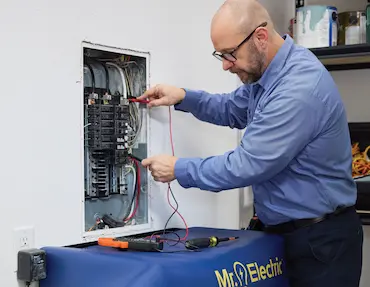
May is National Electrical Safety Month, making it the ideal time to check the systems that homeowners rely on every day. Electrical hazards often develop quietly through overloaded circuits, aging panels, or outdated outlets until they become costly or dangerous problems.
Proper grounding is an essential component of home electrical safety because excess energy needs to be directed somewhere. But
Learn more
Should I replace old wiring? A question frequently pondered by the owners of antique and historic homes, electrical fire hazards within homes more than 50-years old present a serious risk.
Learn more
If you've found your carbon monoxide detector beeping, you don't necessarily have to panic. There are several reasons carbon monoxide detectors beep, and not all of them mean you're in immediate danger. Still, it's never something to ignore.
Learn more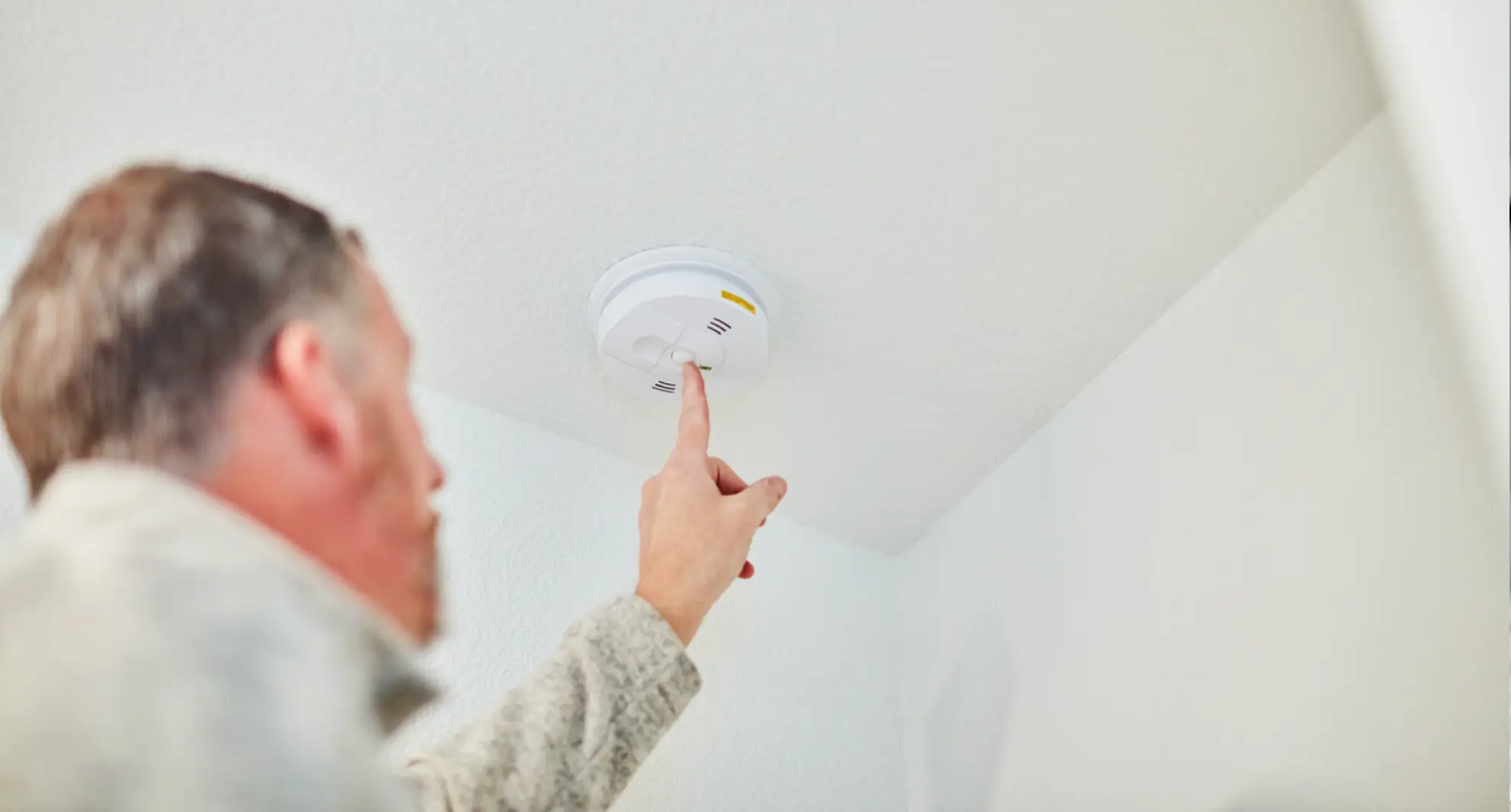
Does the concept of a whole house surge protector have you scratching your head? Perhaps you've envisioned a super-sized power s
Learn more
If you want to keep your home cooler without leaning harder on your AC, fans that move hot air out are a smart place to start. Whole house fans and attic fans both aim to improve airflow and cut down on cooling costs—but they work in different ways and serve different purposes. If you’re weighing the pros and cons or trying to figure out which one fits your home setup, this breakdown of a whole house fan vs. an attic fan will help clear things up.
Learn more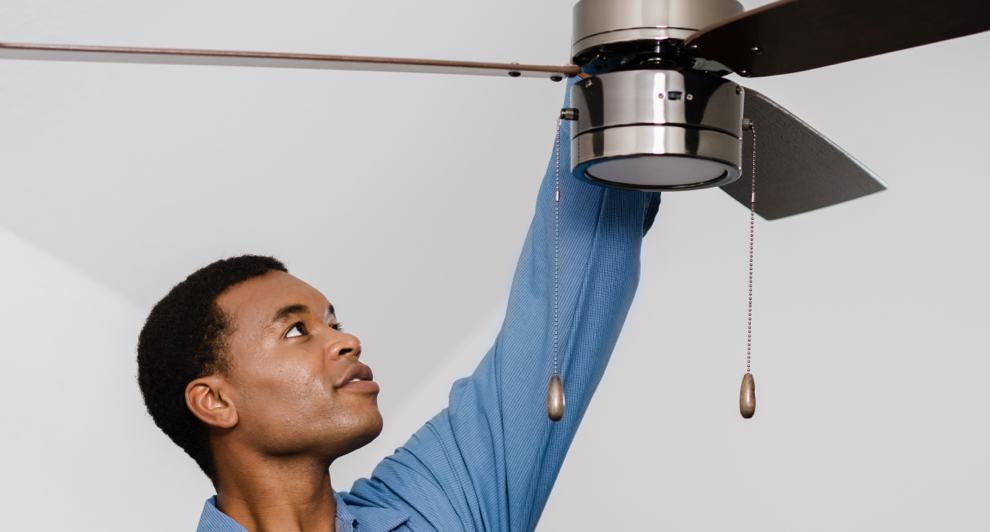
When it comes to your home’s safety, smoke detectors are a vital part of your fire prevention system. While it may seem simple to install them yourself, ensuring that smoke detectors are properly installed is essential for functionality and safety.
Learn more

Let us know how we can help you today.