Licensed Electrician in Naples, FL | Mr. Electric of Naples
Your home's electrical system does not announce problems until they become serious. Mr. Electric® of Naples is a locally owned and operated franchise serving Naples and Collier County as your trusted residential electrician, backed by a national brand with over 30 years of experience. We provide upfront pricing, licensed and insured service, and every panel upgrade, wiring repair, and installation is backed by the Neighborly Done Right Promise®.

Book Online
A representative from our office will get back to you shortly to schedule service.
Due to a system error, we did not get your request. Please call us for immediate assistance.
We don't currently provide service to this ZIP/Postal code.
Yes! You can email me service reminders and other messages.
Mr. Electric, a Neighbourly Company on its own behalf and on behalf of and its affiliates and franchisees requests your consent to send promotional and other electronic messages to you concerning products and services they believe are of interest to you. By checking this box, you agree to receive these messages. You can unsubscribe at any time.
Text opt-in does not apply for Canadian residents.

Customer Reviews
View All Testimonials
The Neighborly Done Right Promise® delivered by Mr. Electric®, a proud Neighborly company.
Easy Online BookingExpert Electrical Services for Naples Homes and Businesses
Most Naples homes built before 2000 have 100-amp or 150-amp panels. When we open those panels today, we find breakers running near capacity with no room for modern electrical demands. Add an EV charger, upgraded HVAC, and a home office, and the system is overloaded. Faulty wiring, corroded connections, and outdated circuit breakers create electrical hazards that are not always visible from the outside. Our licensed electricians identify the problem, explain the fix, and get the work done right. From surge protection to EV charger installation, our team delivers residential and commercial electrical services you trust. Contact us today!
-
-
Installations
Mr. Electric installs top-of-the-line electrical equipment to help you save on energy costs.Learn more Installations
-
Lighting
Our experts can handle any lighting fixture for a single-family home, apartment, condo, or business.Learn more Lighting
-
Electrical Safety
Let our expert electricians keep your home or business above building code standards.Learn more Electrical Safety
-
Repairs
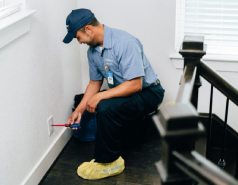
Your courteous Mr. Electric electrician will arrive and finish on time, barring unforeseen issues.Learn more Repairs
Let us know how we can help you today.
Why Naples Homeowners Choose Mr. Electric
-
Mr. Electric of Naples is a locally owned and operated franchise. Your service call goes to a local business owner who works in this community, not a regional dispatch center. We are part of Neighborly, the world's largest home services company with more than 30 brands and 5,500 franchises worldwide. You get the accountability of a local business with the training, resources, and reputation of a national brand serving homeowners since 1994.
-
Every electrician on our team is licensed, insured, and background-checked. When we arrive for an inspection or repair, the first thing we do is assess the full picture, not just the symptom. We check the service entrance, inspect the panel for corrosion and double-tapped breakers, and test GFCI outlets before we ever open a wall. We arrive in uniform, wear shoe covers, and leave the work area clean. Our customers consistently rate us on three things: arriving when we say we will, explaining exactly what we found and why it matters, and delivering work that meets code and holds up over time.
-
You receive a clear price before any work begins. No hourly billing that grows as the job goes. No surprise charges at the end. If the work is not done right, we make it right. The Neighborly Done Right Promise® backs every electrical panel upgrade, wiring repair, and installation we perform in Naples and Collier County.
3606 Enterprise Avenue Suite 200 Naples, FL 34104, United States
Mr. Electric of Naples
Frequently Asked Questions About Electrical Services in Naples, FL
-
Mr. Electric of Naples provides residential and commercial electrical services across Naples, Collier County, and surrounding communities. We work in homes of all ages, from newer construction in Pelican Bay and Lely Resort to older properties in Port Royal, the Moorings, and Old Naples, where electrical systems were built for a different era. We assess your current system, identify needed upgrades, obtain the required permits, and coordinate inspections. You receive upfront pricing before we start any work. Our services include:
- Electrical panel upgrades and replacements (100-amp to 200-amp service)
- EV charger installation (Level 2, 240-volt home charging stations)
- Whole home surge protection and whole-house surge protection
- Home generator installation and transfer switch wiring
- GFCI and AFCI outlet and breaker installation
- Dedicated circuit installation (kitchen, laundry, EV, pool, hot tub, home office)
- Smart home device wiring and integration
- Recessed lighting, LED upgrades, and outdoor lighting
- Outdoor, landscape, and dock lighting installation
- Dock and boat lift wiring
- Pool and spa electrical work
- Electrical safety inspections and code compliance reviews
- Wiring repairs and aluminum wiring remediation
- Ceiling fan and exhaust fan installation
- Emergency electrical repairs
- Electrical maintenance services
- Commercial electrical services
-
A typical electrical panel upgrade in Naples costs between $2,500 and $5,000 for a standard 100-amp to 200-amp upgrade, including the permit, labor, materials, and inspection. That range covers a straightforward panel swap where the meter base and service entrance cable are in good condition. If your meter base is corroded, your service entrance cable is undersized, or your grounding system needs updating, the cost increases.
Homes in older Naples neighborhoods like Port Royal, the Moorings, and Old Naples frequently need meter base replacement at the same time because salt air and humidity corrode the equipment over decades. According to the National Association of Home Builders, upgrading to a 200-amp panel adds approximately $3,000 to $4,000 in value to your home. We provide upfront pricing after assessing your current system, so you know the exact cost before we begin.
-
You need a 200-amp panel if your home has a 100-amp or 150-amp panel and you are adding high-demand electrical loads. Most Naples homes built before 2000 have 100-amp or 150-amp service. A 100-amp panel provides 24,000 watts of total capacity, but the National Electrical Code (NEC Article 220) requires loading circuits to no more than 80 percent of capacity, giving you 19,200 usable watts. Your central HVAC system draws 3,000 to 5,000 watts; your water heater uses 4,000 to 5,500 watts; a Level 2 EV charger pulls 7,200 to 11,500 watts; and kitchen appliances combined draw another 3,000 to 6,000 watts.
The math leaves no margin. A 200-amp panel provides 48,000 watts of total capacity, or 38,400 usable watts at 80 percent. When we open a 100-amp panel in a Naples home today, we almost always find breakers running at or near that limit before any new loads are added. We perform a load calculation during your inspection by adding up all connected loads, applying demand factors per NEC Article 220, and comparing the total to your panel's available capacity to confirm what your system needs.
-
We install Square D, Eaton, and Siemens electrical panels. These three brands have strong safety records, meet all current Florida Building Code requirements, and carry readily available replacement parts. Square D QO and Homeline panels are among the most widely installed residential panels in the United States and are our most common recommendation for Naples homes. Eaton BR and CH series panels are reliable alternatives with excellent breaker availability. Siemens panels are a strong choice for homes with higher circuit demands.
We do not install Federal Pacific, Zinsco, or Challenger panels. Those brands have documented safety issues and are not approved for new installations. When we replace a panel, we match the new panel to your home's circuit count, load requirements, and available space. We also install AFCI and GFCI breakers in all locations required by the Florida Building Code during every panel upgrade.
-
An electrical panel upgrade replaces your existing panel with a larger, modern unit providing more circuit capacity and updated safety features. Your power will be off for 4 to 8 hours during the installation. We walk you through the timeline before we start and handle all permit and inspection coordination. The process follows these steps:
- We submit a permit application to the City of Naples Building Department or Collier County Growth Management, depending on your location.
- Once the building department approves the permit, we schedule the installation at a time convenient for you.
- We coordinate with Florida Power and Light (FPL) if your service entrance upgrade requires a meter pull.
- We disconnect your service at the meter, remove the old panel, and install the new panel and breakers.
- We reconnect all existing circuits, label each breaker clearly, and install AFCI and GFCI breakers in all locations required by the Florida Building Code.
- We verify proper grounding, test all circuits, and restore power.
- A City of Naples or Collier County inspector visits to verify compliance with the Florida Building Code. Once the inspection passes, your upgrade is complete.
-
A standard electrical panel upgrade takes one full day, with your power off for 4 to 8 hours. Simple panel swaps with a serviceable meter base and service entrance take 4 to 6 hours. More complex upgrades, such as meter base replacement, service entrance cable upgrades, or grounding system corrections, take 6 to 8 hours. After installation, the City of Naples or Collier County inspector schedules a final inspection, typically within 1 to 2 business days. The full process from permit application to final inspection usually takes 1 to 2 weeks, depending on permit processing time. We coordinate every step so you know exactly when your power will be off and when it will be restored.
-
Federal Pacific Electric (FPE) Stab-Lok panels, manufactured between the 1950s and 1980s, have documented failure rates that make them a fire hazard. Testing by the Consumer Product Safety Commission found that FPE breakers fail to trip under overload conditions in up to 60 percent of cases. When a breaker fails to trip, the circuit continues drawing current beyond its safe limit, the wire overheats, and the insulation degrades.
The New Jersey Department of Community Affairs concluded that homes with FPE panels face a significantly higher risk of electrical fires. Many insurance carriers in Florida now decline coverage or require panel replacement as a condition of a policy. We replace Federal Pacific panels regularly in Naples homes built between 1960 and 1990. A replacement eliminates the fire risk, brings your home up to current code, and provides capacity for modern electrical demands.
-
A well-maintained electrical panel lasts 25 to 40 years under normal conditions. In Naples, salt air, humidity, and frequent lightning activity will shorten that lifespan, particularly in the case of outdoor panels and meter bases in waterfront neighborhoods. A panel at 30 years in Port Royal or Aqualane Shores has been exposed to conditions that accelerate corrosion in breaker contacts, bus bars, and grounding connections. We inspect panels of all ages and assess the condition of the internal components, not just the age. A 20-year-old panel with corroded connections and failing breakers needs replacement sooner than a 35-year-old panel in good condition. If your panel is more than 25 years old, schedule an inspection to assess its current condition.
-
Homeowners insurance generally does not cover panel replacement due to age, wear, or code compliance upgrades. Insurance covers sudden and accidental damage, such as a panel damaged by a lightning strike or fire. Routine upgrades, replacement of outdated panels (Federal Pacific, Zinsco, Challenger), and code compliance work are the owner's responsibilities. Some insurers in Florida require panel replacement as a condition of coverage, particularly for Federal Pacific and Zinsco panels. If your insurer requests proof of a panel inspection or replacement, we provide documentation of the work performed along with the permit and inspection records.
-
A double-tapped breaker occurs when two wires connect to a single breaker terminal rated for only one wire. This is one of the most common electrical code violations we find in older Naples homes, particularly in panels that have been modified over the years by multiple contractors. When two wires share one terminal, the connection is loose by design. A loose connection creates resistance. Resistance generates heat. Over time, the insulation on both wires degrades, increasing the risk of arcing.
Most standard circuit breakers are rated for a single conductor. Only specific breakers, such as certain Square D Tandem breakers, are rated for two wires per terminal, and only in panels where the manufacturer lists that configuration as approved. When we find double-tapped breakers during an inspection, we correct them by adding a new circuit, installing a tandem breaker where approved, or redistributing circuits. This is not optional. The National Electrical Code prohibits double-tapping on breakers not rated for it, and the Florida Building Code adopts that requirement.
-
To install a Level 2 EV charger at home in Naples, you need to have a 240-volt dedicated circuit, adequate panel capacity, a permit from the City of Naples or Collier County, and a licensed electrician. A Level 2 charger requires a 40-amp or 50-amp dedicated circuit. Your panel must have that capacity available after accounting for all existing loads. We perform a load calculation to confirm that your panel can handle the additional demand before we make any recommendations.
If your panel is undersized, we upgrade to 200-amp service before installing the charger. Once capacity is confirmed, we pull the permit, install a dedicated double-pole breaker, run 240-volt wiring to your garage, carport, or driveway, mount the charger, and coordinate the final inspection. According to the U.S. Department of Energy, Level 2 chargers deliver 25 to 30 miles of range per hour of charging, allowing most vehicles to be fully charged overnight.
-
You need a panel upgrade if your current service has less than 40 to 60 amps of unused capacity after accounting for existing loads. A 40-amp EV charger draws 9,600 watts (240V x 40A). A 50-amp charger draws 12,000 watts. If your home has a 100-amp panel already supporting HVAC, water heater, kitchen appliances, and other circuits, the available capacity is likely insufficient. We perform a load calculation to determine if your panel supports the additional circuit. If the panel has capacity, we install the dedicated circuit without an upgrade. If the panel is at or near its limit, we upgrade first. According to the U.S. Department of Energy, most homeowners installing Level 2 EV chargers in homes built before 2000 will need to upgrade the panel to safely accommodate the load.
-
A Level 1 charger uses a standard 120-volt outlet and adds 3 to 5 miles of range per hour of charging. A Level 2 charger uses a 240-volt dedicated circuit and adds 25 to 30 miles of range per hour. Level 1 charging is adequate for drivers who add fewer than 40 miles per day and have 8 or more hours to charge overnight. Level 2 is the right choice for most Naples homeowners because a standard electric vehicle can be fully charged in 6 to 12 hours, depending on battery size. Level 1 chargers require no electrical upgrade beyond a standard outlet. Level 2 chargers, however, will require a dedicated 40-amp or 50-amp circuit, in addition to a permit and licensed installation. We install Level 2 chargers for all major EV brands and handle the permit and inspection process from start to finish.
-
Mr. Electric of Naples provides residential and commercial lighting installation services for homes and businesses in Naples. Our licensed electricians install recessed lighting, LED lighting upgrades, under-cabinet lighting, ceiling fans, exhaust fans, outdoor and landscape lighting, dock and marine lighting, security lighting, and decorative fixtures. We also install dimmer switches, occupancy sensors, motion-activated lighting, and programmable lighting controls.
Recessed lighting is among our most-requested services in Naples. A standard recessed lighting installation in a living room or kitchen involves running new circuits from your panel, cutting openings in the ceiling, installing LED recessed cans or trims, and connecting to a dimmer switch. We verify the ceiling structure, confirm your panel has capacity for the new circuits, and pull the permit when required. According to the U.S. Department of Energy, LED lighting uses at least 75 percent less energy than incandescent lighting and lasts 25 times longer. In Naples, where air conditioning costs dominate energy bills, reducing heat generated by incandescent and halogen fixtures also lowers your cooling load.
-
Yes, in most cases. Installing recessed lighting requires running new wiring from your electrical panel to each fixture location, which is permitted electrical work under the Florida Building Code. A licensed electrician ensures that circuits are properly sized, connections are made correctly within listed junction boxes, and fixtures are rated for the installation type (insulation contact, wet location, or standard).
Improperly installed recessed lighting is a fire hazard. Fixtures installed too close to insulation without the proper IC (insulation contact) rating can overheat and create a fire risk. We see this regularly in older Naples homes where previous work happened without permits. Beyond safety, unpermitted electrical work creates problems at resale. A home inspector will flag unpermitted wiring work, and buyers or lenders often require remediation before closing. We pull the required permits for all recessed lighting installations and coordinate the inspection, so your work is documented and code-compliant.
-
We install line-voltage and low-voltage outdoor lighting systems for Naples homes, including landscape lighting, pathway lighting, security lighting, flood lighting, soffit and eave lighting, pool and spa lighting, dock and pier lighting, and decorative outdoor fixtures. Line-voltage systems (120 volts) are the standard for security lighting, flood lights, and any fixture more than a few feet above grade. Low-voltage landscape lighting (12 volts) is appropriate for pathway markers, garden accents, and uplighting for trees and shrubs.
The Florida Building Code requires GFCI protection on all outdoor electrical circuits in Naples. Outdoor fixtures in coastal Naples neighborhoods need, at minimum, IP65 weatherproof rating and corrosion-resistant hardware. The area's salt air degrades standard outdoor fixtures within 2 to 3 years. We specify marine-grade or stainless hardware for all outdoor installations within a mile of the Gulf. We also install motion sensors, timers, and smart lighting controls to reduce energy use and improve security.
-
Naples homes fall under the Florida Building Code, which the Florida Building Commission adopts and updates every three years. Florida adopted the 8th Edition of the Florida Building Code, Electrical Volume, effective March 15, 2024. The 8th Edition is based on the 2023 National Electrical Code (NEC). Key requirements affecting Naples homeowners include:
- AFCI protection is now required in all habitable rooms (expanded from bedrooms only in earlier editions)
- Tamper-resistant receptacles are required in all dwelling unit locations
- Updated EV charging circuit requirements
- Expanded GFCI protection locations
The electrical code is not retroactive for many items. Your home will not need to be brought up to current code simply because it exists. But code compliance is triggered when you perform permitted work. If you upgrade your panel, add circuits, or perform a renovation, the new work must meet current code. Existing wiring in walls not touched by the project is generally grandfathered. When we perform permitted work in your Naples home, we bring all affected circuits and devices up to current code as part of the project.
-
A GFCI (Ground Fault Circuit Interrupter) outlet monitors current flow between the hot and neutral wires and cuts power in 4 to 6 milliseconds when it detects a ground fault, which occurs when current takes an unintended path, including through a person. According to UL Standard 943, GFCI devices must trip within the 4 to 6 millisecond window to prevent lethal shock. The Florida Building Code requires GFCI protection in bathrooms, kitchens (countertop outlets within 6 feet of the sink), garages, all outdoor outlets, crawl spaces, unfinished basements, wet bars, laundry areas, and within 6 feet of any sink, bathtub, or shower.
According to the Electrical Safety Foundation International, GFCI protection prevents approximately 70 percent of electrocutions in homes. Many older Naples homes lack GFCI protection in all required locations. We replace standard outlets with GFCI outlets in approximately 30 minutes per location. Test your GFCI outlets monthly by pressing the TEST button. If the outlet does not cut power, replace it.
-
GFCI protection prevents electric shock by detecting ground faults. AFCI protection prevents electrical fires by detecting arc faults. A ground fault occurs when current escapes its intended path, typically toward water or a person. An arc fault occurs when electricity jumps across a gap in damaged wiring, a loose connection, or deteriorated insulation. Arcing generates intense heat at the fault point and is a leading cause of residential electrical fires.
The Florida Building Code requires AFCI (Arc Fault Circuit Interrupter) breakers in bedrooms, living rooms, hallways, closets, dining rooms, and family rooms, with the 8th Edition expanding AFCI requirements to all habitable rooms. According to the National Fire Protection Association, AFCI protection reduces the risk of electrical fires by approximately 50 percent. Homes built before 2008 typically lack AFCI protection. When we upgrade your panel, we install AFCI breakers in all required circuits to bring your home up to current code.
-
Most electrical installations and major repairs require a permit in Naples and Collier County. The Florida Building Code mandates permits for new circuits, panel replacements, service upgrades, generator installations, EV charger installations, pool and spa electrical work, and major rewiring projects. If you live within the city limits, the City of Naples Building Department issues permits and conducts inspections. If you live in unincorporated Collier County, the Collier County Growth Management Department handles permits and inspections.
Both jurisdictions follow the Florida Building Code, which adopted the National Electrical Code. Work not requiring a permit includes replacing outlets, switches, or light fixtures on existing circuits and minor like-for-like repairs. Mr. Electric of Naples handles permit applications and inspection coordination for all permitted work. You do not have to contact the building department yourself.
-
You should have your electrical system inspected every 5 to 10 years, when buying or selling a home, before major renovations, if your home is more than 25 years old, or if you are experiencing any electrical problems. According to the National Fire Protection Association, electrical failures are the second leading cause of home fires in the United States, responsible for approximately 13 percent of all residential fires.
Naples homes face additional stress from humidity, salt air, and lightning activity, which accelerates wear on electrical components more quickly than in inland markets. Waterfront homes in Port Royal, the Moorings, and Park Shore should be inspected every 3 to 5 years due to the risk of corrosion in outdoor panels, meter bases, and pool equipment. During an inspection, we check your panel for outdated or unsafe brands, test all GFCI outlets, inspect visible wiring, look for double-tapped breakers and open splices, verify grounding, assess your system's capacity, and check for aluminum wiring. You receive a written report with our findings and clear recommendations.
-
Your home's electrical system is safe if it shows no warning signs, meets current code requirements, has adequate capacity for your electrical loads, and has been inspected within the last 10 years. Warning signs of electrical hazards include:
- Frequent breaker trips
- Flickering or dimming lights
- Warm or discolored outlets
- A burning smell from outlets or switches
- Sparking when you plug in devices
- Outlets that don't hold plugs firmly
Federal Pacific and Zinsco panels, aluminum wiring, knob-and-tube wiring, and panels with rust or corrosion are indicators of serious electrical hazards that require professional evaluation. According to the Electrical Safety Foundation International, approximately 30,000 home electrical fires occur annually in the United States, causing over 300 deaths and $1 billion in property damage. Most result from outdated wiring, overloaded circuits, and improper connections. If your Naples home is more than 25 years old and has never had an inspection, schedule one before problems develop.
-
Your home needs wiring repairs or rewiring if you have aluminum wiring, knob-and-tube wiring, frequently tripping breakers, flickering lights, warm or discolored outlets, a burning smell, or if the home was built before 1970 and has never been rewired. Aluminum wiring was common in homes built between 1965 and 1975. It expands and contracts more than copper when heated, which loosens connections over time.
According to the Consumer Product Safety Commission, homes with aluminum wiring are 55 times more likely to experience fire-related problems at outlets and switches than homes with copper wiring. Knob-and-tube wiring, used before 1950, lacks grounding and cannot safely support modern electrical loads. Many Naples homes built in the 1960s and 1970s still have original wiring with 50 to 60 years of degraded insulation and loosened connections. We inspect your wiring, test connections, and recommend targeted repairs or a full rewiring based on our findings.
-
Aluminum wiring is a concern in many Naples homes because it expands and contracts more than copper does when heated, causing connections to loosen over time. Loose connections create resistance. Resistance generates heat. In Naples, where humidity and salt air are present year-round, aluminum connections oxidize faster than in dry climates, which further increases resistance at connection points.
According to the Consumer Product Safety Commission, homes with aluminum wiring are 55 times more likely to have fire-related problems at outlets and switches than homes with copper wiring. Aluminum wiring saw widespread use between 1965 and 1975 during a copper shortage, so many Naples homes built in those years have it. The fix is not always full rewiring. Installing approved CO/ALR (copper-aluminum) connectors at every outlet and switch is an accepted remediation method. We evaluate aluminum wiring in older Naples homes, test connections with a thermal camera when warranted, and recommend the safest, most cost-effective solution.
-
A dedicated circuit is an electrical circuit that serves only one appliance or outlet, with its own breaker in the panel. Dedicated circuits prevent overloads by ensuring a high-draw appliance does not share capacity with other devices. The National Electrical Code requires dedicated circuits for refrigerators, dishwashers, microwave ovens, garbage disposals, washing machines, electric dryers, electric ranges, and HVAC equipment. You also need dedicated circuits for EV chargers (40 to 60 amps at 240 volts), home generators, hot tubs, pool equipment, and high-draw home office equipment.
In Naples homes built before 1990, kitchen circuits are often being shared by too many outlets and appliances. When we find a kitchen where the refrigerator, microwave, and countertop outlets share a 15-amp circuit, we recommend adding dedicated circuits for the high-draw appliances. The result is fewer tripped breakers, less heat buildup in the wiring, and a system meeting current code requirements.
-
Mr. Electric of Naples provides pool and spa electrical services for homes and communities in Naples. Pool electrical work in Florida follows NEC Article 680, which covers wiring methods, equipment ratings, GFCI requirements, and bonding requirements for pools, spas, hot tubs, and fountains. Every 120-volt and 240-volt pool circuit requires GFCI protection. Pool equipment, including pumps, lights, and heaters, must be installed at specific distances from the water and connected with approved wiring methods.
Bonding is a separate requirement from grounding. Pool bonding connects all metal components in and around the pool, including the water itself, to equalize voltage and prevent electric shock drowning. We regularly find improperly bonded pools in older Naples homes, particularly when equipment has been upgraded without a full inspection of the bonding system. Pool electrical work requires a permit from the City of Naples or Collier County, and the installation must pass inspection before the pool is put back in service. We handle the full scope of pool electrical work, from new installations to repairs and code compliance upgrades.
-
Electrical upgrades improve energy efficiency by reducing resistive losses, eliminating phantom loads, and enabling smarter energy management. LED lighting upgrades in particular reduce lighting energy consumption by approximately 75 percent compared to incandescent bulbs, according to the U.S. Department of Energy. LED fixtures also generate significantly less heat than incandescent or halogen bulbs, which reduces the load on your electrical system and AC. Dedicated circuits prevent voltage drop, forcing appliances to draw more current to compensate and wasting energy. Smart home controls, including dimmers, occupancy sensors, and programmable timers, reduce energy use in unoccupied rooms.
A modern 200-amp panel with properly sized circuits reduces resistive losses that occur when older wiring and undersized circuits carry loads near maximum capacity. EV chargers with smart charging capabilities let you schedule charging during off-peak hours when electricity rates are lower. In Naples, where air conditioning runs for most of the year, a properly sized electrical system with dedicated HVAC circuits and whole-home surge protection extends the life of your HVAC equipment by protecting it from power fluctuations.
-
Your circuit breaker trips when it detects an overload, a short circuit, or a ground fault. According to NEC Article 220, a standard 15-amp circuit should handle approximately 1,800 watts at its safe capacity. A 20-amp circuit handles approximately 2,400 watts, double that amount. If your breaker trips when you run a hairdryer and a space heater on the same circuit, you are overloading the circuit. The fix is to redistribute your loads or add a dedicated circuit for the high-draw appliance. If your breaker trips when nothing is plugged in or immediately after you reset it, you have a short circuit or ground fault that requires professional diagnosis. Naples homes built before 1990 often have circuits serving more outlets and appliances than they were designed to handle. Never replace a breaker with a higher-amp rating to stop it from tripping. Doing so removes the protection the breaker provides and creates a fire hazard in the wiring.
-
Follow these steps to safely reset a tripped breaker:
- Unplug or turn off devices on the affected circuit before resetting.
- Locate your electrical panel and find the tripped breaker. A tripped breaker sits in the middle position between ON and OFF, or has moved fully to OFF.
- Push the breaker firmly to the OFF position first. You should feel or hear a click.
- Push the breaker to the ON position until it clicks and holds.
- Restore power to devices one at a time to identify the cause of the trip.
If the breaker trips immediately when you reset it, stop. You have a short circuit or a ground fault that requires a licensed electrician. If the same breaker trips more than twice, do not keep resetting it. Repeated tripping damages the breaker mechanism. Naples homes with older breakers exposed to humidity and salt air often have weakened breaker mechanisms that fail to hold reliably. Call us to diagnose the underlying problem.
-
A buzzing sound from your electrical panel indicates a loose connection, an overloaded circuit, or a failing breaker. Some low-level hum is normal when heavy appliances like your air conditioner or dryer are running. Constant buzzing, or buzzing that gets louder when you turn on specific appliances, is a warning sign. Loose wire connections create resistance, which generates heat and vibration. Over time, loose connections degrade and cause arcing, which leads to electrical fires.
Do not open your panel or attempt to tighten connections yourself. Live electrical panels carry 120 and 240 volts. Naples homes with Federal Pacific or Zinsco panels are more prone to breaker failures and internal connection issues. Humidity and salt air in coastal neighborhoods accelerate corrosion in panel connections. Call a licensed electrician immediately if the buzzing is constant, loud, or accompanied by a burning smell.
-
If you smell burning from your electrical panel, turn off the main breaker immediately if safe to reach, evacuate your home, and call 911. A burning smell from a panel indicates overheating, arcing, or damaged wiring inside the enclosure. Arcing creates temperatures exceeding 1,000 degrees Fahrenheit, according to arc flash research published by the National Fire Protection Association, sufficient to ignite surrounding materials.
Do not open the panel to investigate. Do not touch the panel if it feels hot. After emergency services clear your home, call a licensed electrician to inspect and repair the panel before power is restored. Federal Pacific and Zinsco panels are more prone to internal failures, producing burning smells. Naples homes with corroded connections from humidity and salt air exposure face a higher risk of panel overheating. We respond to electrical emergencies in Naples and Collier County, diagnose the cause, repair or replace damaged components, and verify your system is safe before power is restored.
-
An electrical emergency is any situation posing an immediate risk of fire, electric shock, or serious property damage. Electrical emergencies include:
- Sparking outlets or switches
- Exposed live wires
- Panel smoking or producing burning smells
- Complete power loss to your home when neighbors have power
- Standing water near electrical equipment
- Downed power lines in contact with your property
If you face any of these situations, turn off the power at the main breaker if safe to do so, evacuate, and call 911. After emergency services respond, call a licensed electrician before restoring power. According to the National Fire Protection Association, electrical failures cause approximately 13 percent of home fires annually. During hurricane season in Naples, storm damage creates additional electrical hazards, including flooded panels, downed lines, and exposed wiring. If your home floods, do not enter areas with standing water near outlets or panels. Water conducts electricity.
-
After a lightning strike near your home, check your panel for tripped breakers, press the TEST button on all GFCI outlets to confirm they are functioning, and inspect visible outlets and switches for burn marks or discoloration. Then schedule an electrical inspection to assess hidden surge damage. Lightning sends massive voltage spikes through power lines, damaging panels, appliances, electronics, and HVAC systems, even when the strike does not hit your home directly.
According to the Insurance Information Institute, lightning causes over $1 billion in property damage claims annually in the United States. Florida experiences about 1.4 million cloud-to-ground lightning strikes each year. This is more than any other state, according to the National Lightning Detection Network. Surge damage often appears weeks or months after the strike as hidden component failures. If your home takes a direct strike, call a licensed electrician for a full system inspection before using any electrical equipment.
-
Naples sits on the Gulf Coast, which has an average year-round humidity around 74 percent, according to NOAA. Salt air and high humidity accelerate corrosion in electrical panels, outdoor outlets, meter bases, pool equipment, and dock wiring. Corrosion creates resistance, resistance generates heat, and heat causes connection failures. We see this most often in outdoor panels, main lug connections, and home grounding systems within a mile of the Gulf. Corroded connections are among the most common electrical hazards we address in Naples waterfront properties.
Florida is the lightning capital of the United States, with approximately 1.4 million cloud-to-ground lightning strikes annually, according to the National Lightning Detection Network. Southwest Florida sees the highest concentration of thunderstorms from June through September. Lightning strikes and storm-related power surges damage panels, appliances, electronics, and HVAC systems. Whole-home surge protection installed at the main panel is the most effective defense. Older Naples homes, particularly those built in the 1970s through the 1990s, often have mixed wiring methods from multiple renovations, outdated panels, and undersized service that no longer support modern electrical demands.
-
There are a number of ways you can protect your home during storm season. One of the best methods is to install whole-home surge protection at your main electrical panel before storm season begins. A whole-house surge protector stops high-voltage spikes from lightning strikes, utility switching, and downed power lines before they reach your home's wiring and appliances. Point-of-use surge protectors on power strips can protect individual devices, but will not protect hardwired equipment like your HVAC system, water heater, or refrigerator. Whole-home surge protection protects your entire electrical system.
According to the Insurance Information Institute, power surges cause billions of dollars in property damage annually in the United States. Florida experiences the highest rate due to lightning frequency. Before each storm season, test all your GFCI outlets, inspect your panel for signs of corrosion or loose connections, and verify your outdoor electrical equipment is properly sealed. If your home was built before 2008, AFCI protection is likely absent from living area circuits. AFCI breakers detect dangerous arcing conditions, a leading cause of electrical fires according to the National Fire Protection Association. A panel upgrade, including whole-home surge protection and AFCI breakers, addresses the most significant electrical hazards in a Naples home.
-
Port Royal homes, many built between the 1950s and 1990s, typically require panel upgrades from 100-amp or 150-amp service to 200-amp service, repairs to outdoor equipment due to corrosion, GFCI outlet installations, dock and boat lift wiring upgrades, and whole-home surge protection. Port Royal sits directly on the Gulf of Mexico. The constant exposure to salt air, humidity, and storm surges. Salt air accelerates corrosion in panels, meter bases, outdoor outlets, pool equipment, and dock wiring faster than in inland neighborhoods. We regularly replace corroded breakers, meter bases, and outdoor panels in Port Royal.
Many Port Royal properties have boat lifts, docks, and extensive outdoor lighting. These systems require dedicated circuits, waterproof conduit, and corrosion-resistant components. Older Port Royal homes often have Federal Pacific or Zinsco panels, which have been documented to have safety issues. According to Collier County property records, approximately 40 percent of the homes in Port Royal were built before 1990. If you own a Port Royal home, an electrical inspection is the first step toward identifying corrosion damage, outdated components, and capacity limitations.
-
Salt air accelerates corrosion in panels, breakers, meter bases, outdoor outlets, and all metal electrical components. Corrosion creates resistance, and that generates heat and leads to connection failures. As such, Waterfront homes in the Naples area will need corrosion-resistant electrical equipment, more frequent inspections, and special attention to dock wiring, outdoor panels, and pool equipment. Waterfront homes in Port Royal, Aqualane Shores, the Moorings, and Park Shore should schedule electrical inspections every 3 to 5 years, rather than the standard 5 to 10-year interval. Dock and boat lift wiring requires waterproof conduit, GFCI protection, and proper grounding to prevent shock hazards near water.
The National Electrical Code requires GFCI protection on all outdoor circuits and circuits near water. Waterfront homes also face a higher risk of lightning strikes due to their proximity to open water. The National Lightning Safety Council reports that Florida experiences more lightning strikes than any other state, and coastal areas face disproportionately high strike rates. Whole-home surge protection is essential for any waterfront Naples property. Working in the coastal neighborhoods of Naples is different from working inland. Every outdoor electrical installation within a mile of the Gulf uses weatherproof conduit, corrosion-resistant hardware, and THWN-2 rated conductors as the baseline, not as an upgrade.
-
Mr. Electric of Naples provides electrical maintenance services designed to catch problems before they become emergencies. Our maintenance visits include:
- A panel inspection for corrosion, loose connections, double-tapped breakers, and failing breakers
- Testing of all GFCI outlets
- A visible wiring inspection
- Grounding system verification
- A review of your system's capacity against your current electrical loads
For Naples waterfront homes, we include inspection of outdoor panels, meter bases, dock wiring, and pool equipment connections. Regular electrical maintenance extends the life of your system, reduces the risk of electrical hazards, and identifies code compliance issues before they require emergency service. Homes in coastal Naples neighborhoods, where salt air and humidity accelerate wear, benefit from annual or biennial maintenance visits. Ask about the Mr. Electric Advantage Plan for scheduled maintenance service. We recommend scheduling your maintenance visit in the spring, before hurricane season begins.
-
Mr. Electric of Naples installs and integrates smart home electrical systems for Naples homes and businesses. Our smart home services include smart lighting controls, dimmer switches, occupancy and motion sensors, smart doorbells, smart panel integration, and whole-home automation wiring. Smart lighting systems reduce energy consumption by controlling lighting in unoccupied rooms and allowing programmable schedules. Smart panels, such as the Span Smart Panel and Leviton smart load center, provide real-time monitoring of your electrical usage by circuit, helping you identify high-draw appliances, manage EV charging schedules, and detect potential faults before they cause problems.
Installing smart home devices in an older Naples home often requires adding dedicated circuits and upgrading outlets to accommodate smart device requirements. We'll need to verify your panel has sufficient capacity for the additional loads. We assess your current system, recommend the right upgrades, and install all components to code. For Naples homeowners integrating EV chargers with smart charging capability, we configure the charger to communicate with your home energy management system for off-peak scheduling.
-
Mr. Electric of Naples provides commercial electrical services for businesses across Naples and Collier County. Our commercial services include:
- Electrical panel upgrades and service-entrance work
- Dedicated-circuit installations for commercial equipment
- Lighting installations and upgrades
- Code-compliance inspections
- Tenant-improvement electrical work
- Emergency electrical repairs
Commercial electrical work in Naples follows the Florida Building Code, with additional requirements for commercial occupancies under the National Electrical Code. We work with property managers, business owners, and contractors on commercial projects of all sizes. Our licensed electricians hold the appropriate commercial electrical credentials for work in Naples and Collier County. We provide upfront pricing, handle permit coordination, and schedule work to minimize disruption to your business operations.
-
The right generator for your home in Naples will depend on what you need to power during an outage and how long you need it to run. A portable generator (3,000 to 8,500 watts) handles essential loads like refrigerators, lights, and fans but requires manual setup, outdoor operation, and refueling. A standby generator (10,000 to 22,000 watts) connects permanently to your home's electrical system through a transfer switch, starts automatically when power goes out, and runs on natural gas or propane.
For most Naples homes, a 14,000 to 22,000-watt standby generator powers the entire home, including central air conditioning. A transfer switch is a required component of any permanent generator installation. It disconnects your home from the utility grid before connecting the generator, preventing back-feed that creates a deadly hazard for FPL lineworkers. Automatic transfer switches (ATS) start the generator and switch your home over within seconds of a power outage, with no action required on your part. A properly sized standby generator requires a dedicated circuit, a transfer switch, a permit from the City of Naples or Collier County, and a licensed installation. In Southwest Florida, where hurricane season runs from June through November, a standby generator is one of the most practical investments for home preparedness.
-
Call Mr. Electric of Naples directly, request an estimate online through our website, or contact us through the Mr. Electric national customer service line. We serve Naples, North Naples, East Naples, and surrounding areas in Collier County, including Port Royal, the Moorings, Old Naples, Park Shore, Pelican Bay, Vineyards, Tiburon, Heritage Bay, Lely Resort, Golden Gate Estates, and Aqualane Shores. We offer a complimentary electrical home safety check with every service to identify potential electrical hazards before they require emergency repairs. When you contact us, we schedule service at a time that works best for you. Our licensed electricians arrive in uniform in a clearly marked service vehicle. We assess your electrical issue or project, provide upfront pricing before we begin any work, and answer your questions. You decide if you want to move forward. If the job requires a permit, we handle the application and inspection coordination. The Neighborly Done Right Promise® backs our work. Contact us today to schedule an appointment or learn more about panel upgrades, wiring repairs, EV charger installation, lighting installation, and all electrical services for Naples homes and businesses.
Our Blog
View All Blog PostsDangers of an Overloaded Circuit
Overloading an electrical circuit can cause some serious problems. While that may seem obvious, chances are that you’ve caused a circuit overload at least once in your life.
Read More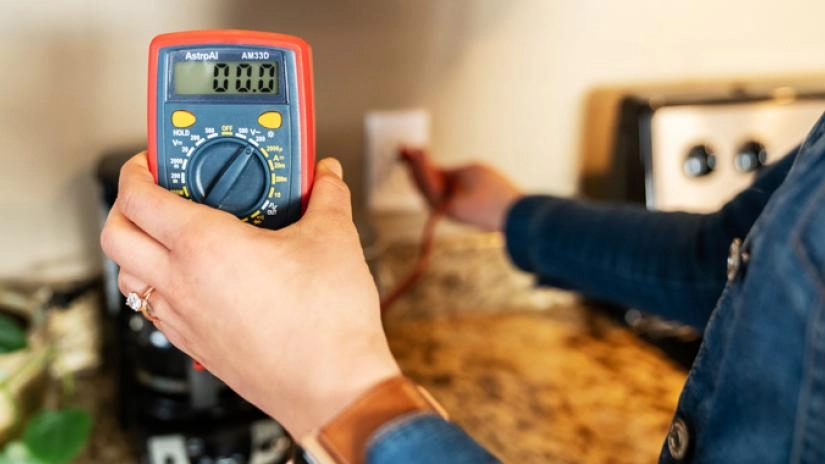
Is Your Electrical Outlet Not Working?
When the simple task of plugging your cell phone charger or hair dryer into the wall leaves you scratching your head and wondering why
Read MoreExpert Tips
View All Expert Tips
Top 8 Electrical Safety Essentials Your Home Needs
The cliche of "always be prepared" reigns true in most areas of life, but especially in homeownership. You never know when the next electrical storm will hit, when you'll suddenly notice mold and mildew in your basement, or when someone will attempt to break into your home. Even if you feel as though these things could never happen to you, it's better to be safe than sorry.
Read MoreSmart Devices: How Safe Are They?
The market for smart home products is worth an estimated $40 billion, with 65% of Americans already owning at least one device or system and a majority of those planning to purchase more in the future. People embrace this trend to increase security, improve energy efficiency, or gain more control over their home’s day-to-day functions.
Read More


Join Our Team
“We have the power to make things better.” That’s our mantra, not only for our customers' electrical issues, but also you, a future team member!

Your Source for Local Home Service Experts
Neighborly brands repair, maintain, and enhance properties — to make life easier and more enjoyable for homeowners. Our consistency and quality work are the basis for everything we do, and are what make us a leader in the home services space, as we constantly strive to "be so remarkable, we become a beloved household name."
Book Online
A representative from our office will get back to you shortly to schedule service.
Due to a system error, we did not get your request. Please call us for immediate assistance.
We don't currently provide service to this ZIP/postal code.
Yes! You can email me service reminders and other messages.
Mr. Electric, a Neighbourly Company on its own behalf and on behalf of and its affiliates and franchisees requests your consent to send promotional and other electronic messages to you concerning products and services they believe are of interest to you. By checking this box, you agree to receive these messages. You can unsubscribe at any time.
Text opt-in does not apply for Canadian residents.