Skip to Main Content Skip to Footer Content

Dedicated Circuit Installation in Twin Cities West Metro, MN

Electrical Circuits Designed for Your Home's Power Needs

Adding a new appliance should not mean wondering whether the breaker will trip the moment you turn it on. Yet that can happen when equipment shares a circuit that was never intended to support its electrical demand. A dedicated circuit supplies one appliance or piece of equipment through its own branch circuit, with wiring and protection selected for that load.

Mr. Electric of Twin Cities West Metro provides dedicated circuit installation for homeowners who are updating kitchens, finishing basements, improving garages, or making room for new electrical equipment. We assess the appliance's installation requirements and your home's existing electrical system before determining what needs to be installed.

Dedicated Circuit Installation in Twin Cities West Metro, MN
Electrical Circuits Designed for Your Home's Power Needs
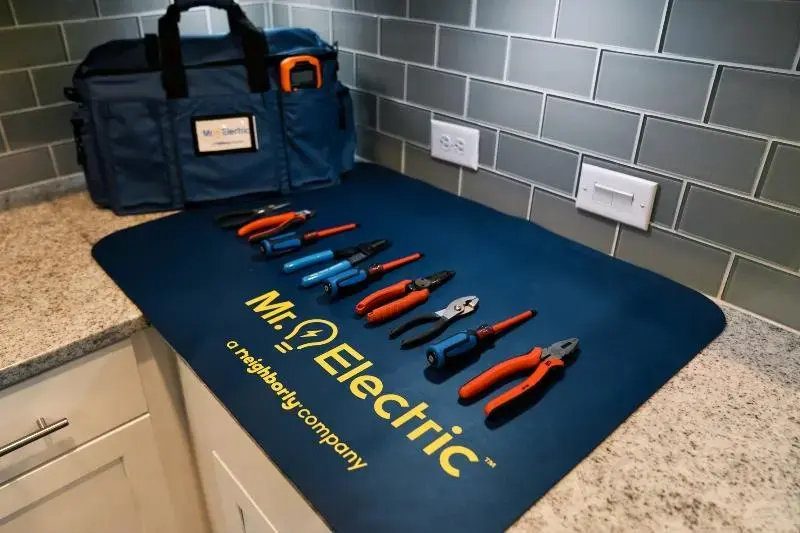
Tools on counter.

Book Online

By checking this box, I agree to opt in to receive automated informational and promotional SMS and/or MMS messages from Mr. Electric, a Neighborly company, and its franchisees to the provided mobile number(s). Messages & data rates may apply. Message frequency varies. View Terms and Privacy Policy. Reply STOP to opt out of future messages. Reply HELP for help.

By entering your email address, you agree to receive emails about services, updates or promotions, and you agree to the Terms and Privacy Policy. You may unsubscribe at any time.

Some equipment requires an individual circuit. Other devices can share a properly designed circuit, so adding another breaker is not always necessary. The right choice depends on the equipment, its electrical demand, and applicable code requirements.

Our electricians evaluate available panel capacity, determine the appropriate circuit and outlet or hardwired connection, and plan wiring routes that suit the home. Whether you're adding a dryer circuit in Plymouth, planning workshop equipment in Maple Grove, or renovating a kitchen in Minnetonka, we focus on installations that support safe, practical use.

We explain the proposed work and provide upfront pricing before it begins. The goal is a properly matched circuit that serves your equipment safely, not unnecessary electrical upgrades.

  • A dedicated circuit is a branch circuit reserved for a particular appliance or piece of equipment. Unlike a general-purpose circuit that supplies multiple outlets, it is designed around a specific load and the equipment's installation instructions.

    A new electric range, clothes dryer, or Level 2 EV charger commonly needs an individual branch circuit. Other equipment, such as a built-in microwave, dishwasher, or refrigerator, may have circuit requirements that vary with the model and installation. We review the nameplate and manufacturer instructions instead of assuming every appliance needs the same amperage.

    Kitchen remodeling is an especially good time for this assessment. Countertop receptacles are normally served by required small-appliance branch circuits, which are not the same thing as a dedicated circuit for a single appliance. A renovation may call for both types of circuits.

    Our electricians identify the equipment's voltage, current requirements, and connection method before recommending new wiring. This helps homeowners avoid relying on a convenient existing outlet that may not be suitable for the appliance.

    We also consider appliance placement and accessibility when planning the electrical connection. Identifying these requirements before cabinetry or finished surfaces are installed can help prevent additional construction work later.

    The result is an installation designed for the way the equipment will actually be used, with appropriate electrical protection and a clearly identified circuit.

Mr. Electric electrician electrical equipment

Proper Circuit Sizing and Electrical Panel Capacity

Adding a breaker is only one part of installing a dedicated circuit. The wiring must be appropriate for the connected equipment, and the panel must have sufficient available electrical capacity.

We evaluate the appliance's requirements along with the existing electrical service, panel condition, and household demand. An open breaker position does not, by itself, prove that a system can support a new high-demand appliance.

Our electricians plan a suitable route for the new wiring and determine whether the installation needs a receptacle or a hardwired connection. Circuit protection must also be selected for the equipment and location. Depending on the installation, this can include GFCI or AFCI protection required by the applicable electrical code.

Homeowners sometimes assume that adding a 240-volt appliance automatically means replacing the electrical panel. That isn't necessarily the case. A professional load calculation and equipment evaluation can help determine whether the existing service can support the work.

If the panel has limited capacity or other deficiencies, we can discuss the findings and related [electrical panel repair and upgrade] options. The recommendation should reflect the home's actual condition rather than a one-size-fits-all upgrade.

Proper circuit sizing and installation help new equipment operate within its intended electrical limits. We also consider the correct breaker type, conductor connections, and circuit identification so the completed installation can be maintained and evaluated appropriately in the future.

New Circuits for Basements, Garages, and Renovations

A finished basement, laundry renovation, or garage workshop can create new electrical demands in parts of the home that previously had only general-purpose outlets.

For example, a basement kitchenette may need circuits based on the appliances being added. A garage workshop with a stationary saw or compressor could require a circuit suited to that equipment's rating. A new laundry layout may require a dedicated dryer branch circuit in addition to the required laundry receptacle circuit.

West Metro homeowners often encounter these questions while making improvements to existing properties. The best time to review circuit requirements is before drywall, cabinetry, or other finished surfaces make wiring access more difficult.

Our electricians evaluate the proposed equipment and identify where new circuits or outlets are appropriate. The installation may also involve updating wiring routes, modifying an existing panel, or coordinating the electrical work with a broader renovation.

A dedicated circuit isn't a universal fix for breakers that trip. If an existing circuit is malfunctioning, [electrical troubleshooting and repair] can help identify the cause before deciding whether a new circuit is needed.

For homes with finished basements or detached workspaces, the distance from the electrical panel can also influence the installation approach. We consider the layout and equipment requirements before determining how the circuit should be installed.

Thoughtful planning makes it easier to add the electrical infrastructure the project needs without duplicating work later.
bulb
Service You Can Trust!

Let us know how we can help you today.

How Do You Know If Your Home Needs a Dedicated Circuit?

A dedicated circuit should be selected around the equipment it serves, not by guessing which breaker looks large enough. The electrical design starts with the manufacturer's instructions and the equipment's voltage and current requirements. An electrician then checks how the proposed installation fits into the home's existing electrical system.

120-volt versus 240-volt circuits: Both can be dedicated. Some appliances use a 120-volt individual circuit, while electric dryers, ranges, and many Level 2 EV chargers use 240 volts. Circuit amperage, conductor size, and connection type must match the installation. A 240-volt receptacle is not interchangeable with every appliance or charger.

Dedicated circuits versus shared circuits: General-purpose outlets can share appropriately designed circuits. Kitchens also use required small-appliance branch circuits for specified receptacles, but those circuits do not necessarily serve just one device. The question is whether the particular equipment requires its own branch circuit under the electrical code or manufacturer instructions.

Available panel capacity: Installing an additional breaker does not increase the home's electrical service capacity. Before adding high-demand equipment, an electrician may need a load calculation. If the panel can support the load, an additional circuit may be possible without replacing it. If not, the options should be explained before work begins.

Wiring routes and electrical protection: The location of a basement laundry area, garage workbench, or new kitchen appliance influences the routing and complexity of the project. Proper grounding, overcurrent protection, and applicable GFCI or AFCI protection also matter. These requirements help ensure the circuit is suitable for its intended equipment and installation environment.

Planning around future electrical needs: A homeowner adding one appliance today may be considering other improvements in the coming years. Discussing a future EV charger, heat pump, or garage workshop during the initial evaluation can help identify practical wiring and capacity considerations. This doesn't mean every planned improvement requires immediate installation, but it can help avoid unnecessary changes later.

Mr. Electric of Twin Cities West Metro helps homeowners coordinate dedicated circuits with wider [residential electrical services], including renovations and electrical upgrades. Planning the circuit before new equipment arrives can help avoid relying on unsuitable outlets or revisiting completed finishes.

Yellow light bulb icon
We have the power to make things better.®