Electrician Chapel Hill, NC: Locally Owned and Operated
Your home deserves an electrician who knows Chapel Hill homes and businesses inside out. Homeowners throughout Chapel Hill can get professional electrical services backed by decades of national expertise and local accountability. From flickering lights and tripped breakers to complete panel upgrades and EV charger installations, our licensed electricians handle every job with the precision your home's electrical system requires. Schedule an appointment with Mr. Electric® of Chapel Hill today.

Book Online

A representative from our office will get back to you shortly to schedule service.
Due to a system error, we did not get your request. Please call us for immediate assistance.
We don't currently provide service to this ZIP/Postal code.
Yes! You can email me service reminders and other messages.
Mr. Electric, a Neighbourly Company on its own behalf and on behalf of and its affiliates and franchisees requests your consent to send promotional and other electronic messages to you concerning products and services they believe are of interest to you. By checking this box, you agree to receive these messages. You can unsubscribe at any time.
Text opt-in does not apply for Canadian residents.
Customer Reviews
View All Testimonials
The Neighborly Done Right Promise® delivered by Mr. Electric®, a proud Neighborly company.
Easy Online BookingResidential and Commercial Electrical Services for Your Chapel Hill Home
Our fully licensed electricians manage every project with precision, from urgent repairs to full-scale electrical upgrades. You’ll receive transparent, upfront pricing before any work begins, ensuring complete confidence in what to expect. From panel upgrades and whole-home surge protection to generator installations and safety inspections, we get the job done right the first time every time. And our work is always backed by the Neighborly Done Right Promise®.
Contact Mr. Electric today to book a service appointment!
-
Installations
Start your renovation right with professional installation and upgrades from our electricians.Learn more Installations -

Lighting
Brighten your home or office with quality indoor and outdoor lighting installation and repair.Learn more Lighting -
Electrical Safety
Enjoy peace of mind with residential or commercial electrical inspections in Chapel Hill, NC.Learn more Electrical Safety -
Repairs
Looking for electrical repair near you? We offer convenient appointments and 24-hour service.Learn more Repairs

Let us know how we can help you today.
Why Chapel Hill Homeowners Choose Mr. Electric
-
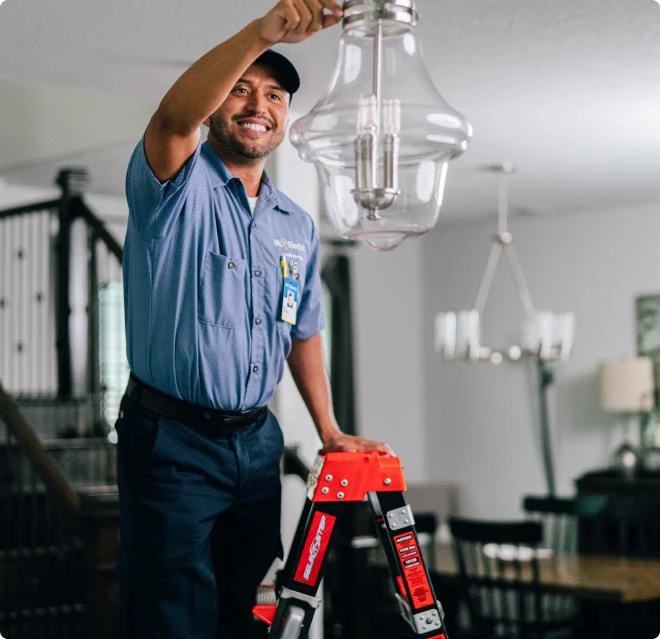
Our women-, veteran-, and minority-owned business was established in this community. Our electricians understand the electrical challenges common in Chapel Hill homes, especially properties built before 2000 with undersized panels and aging wiring. We know what it takes to bring older electrical systems up to current North Carolina code while meeting the demands of modern living. We have years of electrical experience in Chapel Hill, serving neighborhoods from Eastwood to Coker Hills to Lake Forest.
-
Every electrician on our team undergoes a background check and follows North Carolina electrical code requirements on every job. Our team handles permits when needed and coordinates inspections. Our work is backed by the Neighborly Done Right Promise®, a straightforward guarantee that if the job is not done right, we make it right. Our electricians receive certified, up-to-date training in the latest electrical methods, safety protocols, and code requirements.
-
You receive a clear quote before any work begins. No hourly rates that climb as the job goes on. No surprise charges when we finish. Whether you call for a safety inspection, lighting installation, or emergency repair, you know what you are paying before we pick up a tool. Our customer service team answers your questions and schedules service calls at times that work for your schedule.
112 Perkins Dr. Suite 100 Chapel Hill, NC 27514, United States
Areas We Serve
Frequently Asked Questions About Electrical Services in Chapel Hill, NC
-
If you see sparks coming from a switch, smell something burning, or notice that an outlet feels hot, don't wait—call for emergency service right away. Other red flags include a buzzing sound from your breaker box, visible smoke, or a sudden power outage in just one part of the house.
These aren't just minor glitches; they are serious fire hazards. According to the U.S. Fire Administration, electrical issues cause roughly 24,000 home fires every year, leading to hundreds of preventable injuries and deaths.
Never ignore a burning smell or a spark. We provide fast emergency response across Chapel Hill to keep your home safe from fire and shock.
-
An overloaded circuit occurs when you draw more amperage through a circuit than it was designed to handle. Signs include breakers that trip when multiple appliances are running, lights that dim when certain devices turn on, outlets or switches that feel warm to the touch, a burning smell from outlets or the electrical panel, and flickering lights when appliances cycle on. Most older Chapel Hill homes have 15-amp circuits in bedrooms and living areas and 20-amp circuits in kitchens and utility areas. A single 15-amp circuit supports roughly 1,800 watts of continuous load.
When you plug a space heater (1,500 watts) into a circuit already powering lights, a television, and phone chargers, you exceed the safe capacity. Your electrical panel, like other high-use items in your home (such as your HVAC, household appliances, and roof), needs routine inspections and replacement.
According to the National Fire Protection Association, overloaded circuits contribute to thousands of electrical fires annually. Our electricians perform load calculations to determine which circuits are overloaded and install additional dedicated circuits where needed. This protects your home and gives you the electrical capacity modern living requires. You can call us for a review of what your home may need.
-
Call for emergency electrical service immediately if you notice sparking from outlets or switches, smell burning near electrical fixtures, feel outlets or switches that are hot to the touch, hear buzzing from your electrical panel, see visible smoke from electrical equipment, or experience sudden power loss to part of your home.
These conditions indicate serious electrical hazards that require immediate professional attention. The U.S. Fire Administration reports that electrical distribution and lighting equipment are involved in an estimated 24,000 residential fires annually, resulting in approximately 490 deaths and 1,440 injuries. Never ignore burning smells or sparks. Our team responds quickly to electrical emergencies throughout Chapel Hill to protect your home and family from fire and shock hazards.
-
Electrical issues rarely stay small. If your lights flicker when the microwave kicks on, or if you notice outlets that feel warm or look discolored, your system is trying to tell you something. Other red flags include:
- Strange Noises: Sizzling or buzzing coming from behind the walls.
- Odd Smells: A persistent burning odor near fixtures.
- Frequent Trips: Breakers that keep clicking off.
These symptoms usually point to loose connections or overloaded circuits. When a connection is loose, it creates resistance, which generates heat that can melt wire insulation and eventually start a fire.
Our licensed electricians use professional diagnostic tools to find the root cause and ensure every repair meets the North Carolina electrical code. If you’re seeing these signs in your Chapel Hill home, let’s get it inspected before a "minor" glitch turns into a major hazard.
-
Ever have an outlet that works only when it feels like it? Or a breaker that trips randomly for no apparent reason? These "intermittent" issues are more than just annoying—they’re signs of a deeper problem.
When a standard quick-fix doesn't work, you need systematic troubleshooting. This is especially true in older Chapel Hill homes, where modern power demands often clash with aging wiring hidden behind your walls.
Instead of guessing and replacing parts unnecessarily, our team uses a high-tech diagnostic approach to find the "why" behind the "what":
- Thermal Imaging: To find hidden hotspots before they start a fire.
- Circuit Tracing & Voltage Testing: To pinpoint exactly where a connection is failing.
- Circuit Analyzers: To measure voltage drops and identify overloaded runs.
By tracing the circuit and measuring the load, we identify the specific failing component. This surgical approach saves you money—we fix the actual problem the first time, rather than throwing parts at a symptom.
-
Flickering lights signal problems ranging from minor issues to serious electrical hazards. Common causes include loose connections at outlets, switches, or the electrical panel (this creates resistance and heat), an overloaded circuit that drops voltage when high-draw appliances cycle on, failing light bulbs or incompatible dimmer switches with LED bulbs, problems with the utility connection at the service mast or meter base, or a failing electrical panel with worn breakers or bus bar connections.
Occasional dimming when your HVAC system starts indicates high startup current draw and typically does not signal danger. Frequent flickering throughout your home, or flickering accompanied by burning smells, warm outlets, or buzzing, requires immediate professional attention. According to research from the Electrical Safety Foundation International, loose electrical connections cause significant numbers of residential electrical fires each year.
Our electricians diagnose flickering issues through systematic electrical troubleshooting. We check connections at fixtures, test outlet voltages, inspect panel connections, measure voltage drops across circuits, and use thermal imaging to identify hot spots indicating loose connections or failing components. Sometimes the problem lies with the utility connection rather than your home's wiring. We identify the exact source and make repairs that eliminate the flickering and any associated safety hazards. Never ignore flickering lights in older homes or flickering that worsens over time.
-
Yes, most electrical work in Chapel Hill requires a permit from the Orange County Inspections Department. Permits are required for service changes, electrical panel upgrades, new circuit installations, major appliance circuits, generator installations, and significant electrical modifications. Simple repairs, such as replacing an outlet or light switch, typically do not require permits.
All permitted work must pass inspection by a licensed electrical inspector to ensure compliance with the North Carolina electrical code. Our electricians handle the permit application process, schedule inspections, and ensure every job meets code requirements. This protects you from future problems when you sell your home or file an insurance claim. Working with a licensed electrical contractor who pulls the proper permits provides documentation that the work was done correctly.
-
Staying up to code isn’t just about passing an inspection—it’s about the safety of your family and the value of your home. In Chapel Hill, we follow the North Carolina State Electrical Code, which is based on the National Electrical Code (NEC) but includes specific state-level amendments enforced by Orange County building inspectors.
To keep your home safe and compliant, there are three major safety standards we prioritize on every job:
- GFCI Protection: Ground Fault Circuit Interrupters are mandatory in areas with moisture—think kitchens, bathrooms, garages, and near sinks. These prevent localized shocks.
- AFCI Protection: Arc Fault Circuit Interrupters are required in most living areas, such as bedrooms and dining rooms. These detect dangerous "arcing" (sparkling) behind walls, which can lead to house fires.
- Tamper-Resistant Outlets: These are now standard in all homes to protect children from inserting objects into the slots.
Our team stays on top of every update from the NC Department of Insurance to ensure your project is done right the first time. Beyond safety, keeping your electrical system up to current codes prevents major headaches during home inspections, appraisals, or insurance claims.
-
Yes, Mr. Electric of Chapel Hill provides both residential electrical work and commercial electrical services. Our residential electrical work includes panel upgrades, wiring installation, lighting installations for indoor and outdoor lighting, ceiling fan installations, EV charger setup, generator installation, electrical troubleshooting, and electrical repairs for Chapel Hill homeowners.
We handle new construction electrical systems, electrical remodeling for renovation projects, and service upgrades for older homes. Our commercial electrical services cover office buildings, retail locations, restaurants, and other business facilities in Chapel Hill and surrounding areas. Commercial work includes electrical design and installation for new work, tenant improvements, parking lot lighting, emergency lighting systems, and ongoing electrical maintenance.
Whether you need residential electrical work at your Chapel Hill home or commercial electrical services for your business, our experienced electricians bring the same expertise, upfront pricing, and Neighborly Done Right Promise® to every job.
-
Your home needs a panel upgrade if you experience frequent breaker trips, your panel uses fuses instead of circuit breakers, lights dim when large appliances run, you have a 60-amp or 100-amp service, or you plan to add an EV charger or other major electrical load. Most Chapel Hill homes built before 1990 have 100-amp panels designed for lower electrical demands.
Modern homes typically require 200-amp service to handle HVAC systems, kitchen appliances, home office equipment, EV chargers, and other devices. An undersized panel forces your electrical system to operate at or beyond capacity, creating heat at connections and increasing fire risk. Our electricians perform load calculations to determine the right panel size for your home.
Upgrading to a 200-amp panel provides the capacity your home needs and improves electrical safety throughout your electrical system. Service upgrades prevent future capacity problems and support the electrical demands of modern living.
-
Most modern single-family homes in Chapel Hill need a 200-amp electrical panel. This size provides adequate capacity for standard HVAC systems, kitchen appliances, water heaters, lighting, and electronics, with room for future additions like EV chargers or home expansions. Smaller homes or condos with gas appliances and no plans for major electrical additions sometimes function well with 150-amp service. Larger homes with multiple HVAC zones, electric heating, pools, workshops, or detached buildings sometimes require 400-amp service or a main panel with subpanels.
The correct panel size depends on your total electrical load, which our electricians calculate based on your home's square footage, appliances, heating and cooling systems, and planned additions. We follow the National Electrical Code load calculation methods to determine the right service size. Installing the properly sized panel prevents future capacity problems and ensures your electrical system operates safely.
-
Load calculations are the engineering method electricians use to determine how much electrical capacity your home needs based on square footage, heating and cooling systems, appliances, and planned electrical additions. Article 220 of the National Electrical Code establishes the formulas for calculating residential electrical loads. These calculations account for general lighting and receptacles (3 watts per square foot), kitchen small-appliance circuits (minimum of two 20-amp circuits), laundry circuits, major appliances, heating and cooling loads, and future additions such as EV chargers.
A typical 2,000-square-foot Chapel Hill home with central HVAC, electric range, electric dryer, and standard appliances requires approximately 150 to 175 amps under normal use. When you add an EV charger (30 to 50 amps), the total demand often exceeds what a 100-amp panel can safely handle. Our electricians perform proper load calculations before panel upgrades to ensure your new panel provides adequate capacity with room for future growth. Installing the correctly sized panel based on actual load calculations prevents future capacity problems and code violations.
-
Installing a Level 2 EV charger requires a dedicated 240-volt circuit, proper wire gauge to handle the amperage, a circuit breaker sized for the charger, and often an electrical panel upgrade if your existing panel operates near capacity. Most EV chargers draw between 30 and 50 amps. Homes with 100-amp panels typically require upgrading to 200-amp service before adding this load.
The installation requires an Orange County permit and must pass an electrical inspection. Our electricians assess your current electrical system capacity, determine whether a panel upgrade is necessary, install the appropriate circuit and outlets, mount the charger, and coordinate the required inspection. We ensure the installation meets North Carolina electrical code and manufacturer specifications.
Proper installation protects your home from electrical hazards and ensures your EV charger operates safely and reliably. Most installations take one day once permits are obtained. Installing smart EV chargers with energy-monitoring and scheduled-charging features requires additional setup to connect them to your home network.
-
Older Chapel Hill homes, especially those built in the 1970s through 1990s, often have undersized 100-amp electrical panels, aluminum wiring installed between 1965 and 1972, outdated circuit breaker panels including Federal Pacific and Zinsco brands, insufficient GFCI and AFCI protection, and wiring that is degraded or damaged from age. Many older homes also lack the dedicated circuits modern appliances require, have insufficient outlets, leading to extension cord overuse, and have ungrounded outlets in older sections of the home.
As homes age, connections loosen, insulation degrades, and wear accumulates at high-use outlets and switches. These conditions create fire and shock hazards. Our electricians perform thorough safety inspections to identify these problems and prioritize electrical repairs based on risk. We provide clear explanations of what needs immediate attention and what improvements add value and safety over time. Older homes in established Chapel Hill neighborhoods like Eastwood, Coker Hills, and Lake Forest often benefit from a whole-home inspection to assess the overall condition of the electrical system.
-
Yes, replacing aluminum wiring significantly improves electrical safety in Chapel Hill homes built between 1965 and 1972. The U.S. Consumer Product Safety Commission found that homes with aluminum wiring are 55 times more likely to have wire connections reach fire-hazard conditions compared to homes with copper wiring. Aluminum wiring expands and contracts more than copper with temperature changes, which can loosen connections over time.
These loose connections create resistance, generate heat, and degrade insulation, leading to fires. While a complete replacement provides the best long-term solution, interim repairs using approved connection methods, such as COPALUM crimps, reduce immediate risks.
Many insurance companies require documentation of aluminum wiring remediation or charge higher premiums for homes with this wiring. Our electricians evaluate your aluminum wiring, explain your options, ranging from full replacement to approved repair methods, and complete the work in accordance with CPSC guidelines and North Carolina code requirements.
-
Homes built in the 1970s do not automatically need complete rewiring, but they often need significant electrical upgrades. Common electrical issues include insufficient circuit capacity for modern loads, outdated outlets without GFCI or AFCI protection, aluminum wiring in some homes, wear at connections and outlets, and panels that no longer meet current safety standards.
Our electricians start with a comprehensive electrical safety inspection to assess wire condition, connection integrity, panel capacity, grounding systems, and code compliance. We identify which circuits need immediate attention and which systems function adequately. Sometimes targeted upgrades like a panel replacement, GFCI outlet installation, and electrical repairs to worn connections address safety concerns without full rewiring.
Complete rewiring makes sense when wire insulation is brittle and cracking, connections throughout the home show corrosion or damage, or you are doing extensive remodeling. We provide honest assessments and prioritize electrical repairs based on electrical safety and value.
-
Schedule a professional electrical inspection every three to five years for Chapel Hill homes under 40 years old. Homes older than 40 years benefit from safety inspections every 2 to 3 years due to increased wear and a higher likelihood of outdated components.
The National Fire Protection Association recommends regular electrical inspections as a key strategy to prevent home electrical fires. You should also schedule an inspection when you purchase a home, before major renovations, after storm damage, if you notice any warning signs like flickering lights or frequent breaker trips, or before installing high-demand equipment like EV chargers.
Many Chapel Hill homes built before 2000 have electrical systems designed for lower power consumption than modern households require. Our safety inspections identify electrical hazards, code violations, capacity limitations, and components that need replacement. We provide a written report with prioritized recommendations so you understand what needs immediate attention and what to plan for in the future.
-
Yes, a whole-house surge protector is a smart investment for Chapel Hill homes. The National Weather Service reports that the Chapel Hill area experiences 40 to 45 thunderstorm days annually, with peak severe weather occurring from April through September. Lightning strikes and utility grid fluctuations send damaging voltage spikes into your home.
Whole-house surge protectors are installed at your electrical panel and reduce these surges to safe levels before they reach your electronics, appliances, and electrical devices. According to the Insurance Information Institute, power surges cause billions of dollars in property damage each year. A whole-house surge protector typically lasts 8 to 10 years and protects everything connected to your electrical system.
This surge protection is especially valuable if you have expensive appliances, home office equipment, entertainment systems, or smart home devices. Point-of-use surge protectors on individual outlets provide additional protection for your most valuable electronics. Our electricians install whole-house surge protectors that meet UL 1449 standards, providing proper protection for your home.
-
A backup generator provides security during power outages, which occur regularly in Chapel Hill during severe weather. Your need for a home generator depends on several factors, including whether anyone in your home relies on medical equipment that requires power, if you work from home and lose income during outages, the age and health of household members who are vulnerable to temperature extremes, and whether you have a sump pump or well water system that stops working without power.
Home standby generators connect to your electrical panel, monitor utility power, and start automatically during outages. They run on natural gas or propane and provide continuous power until utility service returns. Portable generators offer a lower-cost option but require manual setup, outdoor operation, and fuel management. Our electricians help you determine the right generator size based on your essential electrical loads, install transfer switches that meet North Carolina code requirements, and coordinate the required permits and inspections.
Proper generator installation ensures your home generator operates safely and provides reliable backup power when you need it. Whole home generators provide peace of mind during extended outages common during severe weather in Chapel Hill, NC.
-
North Carolina electrical code requires GFCI protection for outlets in specific locations throughout your home. Required locations include all kitchen countertop receptacles, bathroom outlets, outdoor outlets, garage outlets, unfinished basement outlets, and outlets located within six feet of sinks.
The 2020 North Carolina State Electrical Code, which adopts National Electrical Code requirements with state amendments, mandates these protections to prevent electrical shock. GFCI outlets detect ground faults and immediately shut off power when they sense current leakage, typically within 25 to 30 milliseconds. This rapid response prevents serious shock injuries and electrocution.
You should test your GFCI outlets monthly by pressing the test button to ensure they function correctly. Many older Chapel Hill homes lack GFCI protection in required locations, creating serious safety hazards. Our electricians install GFCI outlets in all code-required locations and add protection in other areas where water and electricity are present. GFCI outlet installation typically takes 20 to 30 minutes per outlet and provides immediate safety improvement.
-
Yes, upgrading to LED lighting delivers immediate and long-term benefits for Chapel Hill homeowners. LED bulbs use 75 to 80 percent less energy than traditional incandescent bulbs and last 25 to 50 times longer. A 60-watt incandescent bulb draws 60 watts of power while an equivalent LED draws only 8 to 12 watts. According to the U.S. Department of Energy, residential LED lighting uses at least 75 percent less energy and lasts 25 times longer than incandescent lighting.
For a Chapel Hill home with 40 lighting fixtures running an average of 3 hours daily, switching from incandescent to LED reduces annual lighting energy use from approximately 2,628 kilowatt-hours to 526 kilowatt-hours. At typical Duke Energy rates, this saves roughly $250 annually. LED lighting also reduces cooling costs because LEDs produce far less heat than incandescent bulbs.
Our electricians install LED lighting throughout homes, including recessed lighting, under-cabinet lighting, outdoor lighting, and landscape lighting. We also install dimmer switches compatible with LED technology. Many older dimmer switches cause LED bulbs to flicker or hum, so proper dimmer switch installation matters. LED upgrades improve energy efficiency, reduce utility bills, and eliminate the hassle of frequent bulb replacements.
-
Licensed electricians install and integrate smart home devices that require electrical connections or dedicated circuits. Common installations include smart switches that control lights from your phone or voice commands, dimmer switches with app-based scheduling and brightness control, smart thermostats that optimize heating and cooling based on your schedule and preferences, whole-home automation systems that integrate lighting, security, and climate control, video doorbells and security cameras that require proper wiring and power, smart ceiling fans with remote and app control, automated lighting systems with motion sensors and occupancy detection, and EV chargers with smart charging features and energy monitoring.
Smart home devices often require neutral wires at switch locations. Many older Chapel Hill homes lack neutral wires in switch boxes, which prevents standard smart switch installation. Our electricians run new wiring when needed to support smart home technology. We ensure proper setup, connect devices to your network, and verify everything functions correctly before finishing the job. Smart home integration requires both electrical expertise and technology knowledge. Improper installation creates safety hazards and device malfunctions. Professional installation ensures your smart home devices operate safely and reliably while meeting North Carolina electrical code requirements.
-
Hot tub installation requires a dedicated 240-volt circuit, proper wire sizing based on the hot tub's amperage requirements (typically 40 to 60 amps), a GFCI breaker to protect against electrical shock, conduit or appropriate wiring method from your electrical panel to the hot tub location, and a disconnect box within sight of the hot tub as required by electrical code. Most hot tubs draw between 30 and 60 amps, depending on size, pump power, and heater capacity. The National Electrical Code requires GFCI protection for all hot tub and spa installations.
The disconnect box must be located between 5 and 50 feet from the hot tub and remain visible from the hot tub location for emergency shutoff access. Installation also requires a permit from Orange County and must pass an electrical inspection before use. Our electricians assess your current electrical panel capacity to determine whether your existing panel can support the additional load or if you need a panel upgrade first.
We install the proper circuit, run appropriately sized wire (typically 6 AWG or 8 AWG copper), install the GFCI breaker and disconnect box, and coordinate the required inspection. Pool electrical work follows similar requirements with dedicated circuits, GFCI protection, and proper bonding of all metal components. Proper hot tub spa circuits and pool electrical installation protect your family from shock hazards and ensure code-compliant work that passes inspection.
-
Electrical remodeling involves updating or expanding your home's electrical system during renovation projects. Common electrical remodeling work includes relocating outlets and switches to match new wall configurations, adding outlets to meet current code requirements (outlets every 12 feet along walls), installing dedicated circuits for kitchen appliances and bathroom outlets, upgrading lighting with recessed lighting, under-cabinet lighting, or specialty lighting fixtures, running wiring for new bathrooms or kitchens in previously unfinished spaces, installing GFCI and AFCI protection as required by current North Carolina electrical code, and upgrading the electrical panel if the remodel adds significant electrical load.
Kitchen remodels typically require at least two 20-amp small appliance circuits plus dedicated circuits for refrigerators, microwaves, dishwashers, and garbage disposals. Bathroom remodels require GFCI-protected outlets and proper ventilation fan wiring, including bathroom exhaust fan repair and installation. Our electricians work with your contractor or directly with you to plan electrical layouts that meet code requirements and your functional needs. We open walls to run new wiring installation, install boxes for outlets and switches, connect lighting fixtures, and ensure everything passes inspection.
Electrical remodeling permits are required in Orange County for significant electrical additions or modifications. We handle permit applications and coordinate inspections. Proper electrical planning during remodeling prevents future problems and ensures your renovated space meets modern electrical code standards. Wiring for renovation projects requires careful coordination with other trades to ensure proper installation and code compliance.
-
Outdoor lighting in Chapel Hill requires weather-resistant fixtures, proper electrical protection, and lighting design suitable for our climate, including summer humidity and occasional severe weather. Popular outdoor lighting options include landscape lighting with low-voltage LED fixtures to highlight trees, walkways, and architectural features, patio and deck lighting with overhead fixtures or string lights for entertaining spaces, security lighting with motion sensors for entryways and dark areas around your home, outdoor kitchen lighting with dedicated circuits for appliances and task lighting for food preparation, and pool and spa lighting that meets strict electrical code requirements for wet locations.
All outdoor outlets and lighting circuits must have GFCI protection as required by the 2020 North Carolina electrical code. Landscape lighting often uses low-voltage systems (12 volts) with transformers that reduce fire risk and energy use. Low-voltage landscape lighting provides flexibility for lighting design changes and safer installation in areas where digging or maintenance occurs. For standard 120-volt outdoor lighting, lighting fixtures must carry wet location or damp location ratings depending on exposure.
Our electricians install proper outdoor-rated wiring methods, including buried conduit where required, weatherproof boxes and covers, and GFCI protection for all outdoor circuits. We also handle lighting design consultation to help you choose fixtures and layouts that improve safety, enhance curb appeal, and create functional outdoor living spaces. Indoor and outdoor lighting installations require permits and inspections in many cases to ensure safe wiring methods and code compliance.
-
New construction electrical work involves designing and installing complete electrical systems for new homes, room additions, detached buildings, and accessory dwelling units. The process starts with reviewing architectural plans and determining electrical requirements, including panel size based on load calculations, outlet and switch locations following code requirements and functional needs, lighting fixture locations and types, dedicated circuits for appliances, HVAC, water heaters, and other major loads, and special systems like security, smart home integration, or home theater wiring.
Our electricians coordinate with builders and other trades throughout construction. During the rough-in phase, we install the electrical panel, run wiring through walls and ceilings before drywall, install electrical boxes for outlets and switches, and rough-in wiring for lighting fixtures and appliances. All rough-in work must pass inspection before walls close. During the trim phase after drywall completion, we install outlets, switches, lighting fixtures, the service connection, and components for the circuit breaker panel.
We test all circuits and coordinate the final electrical inspection required before the home receives power. New construction electrical permits are required from Orange County for all new building projects. Proper electrical design for new construction includes planning for future needs like EV chargers, whole-home generators, or shop equipment. We install conduit runs and extra circuits during new work when access is easy, rather than adding them later at higher cost.
-
Choosing the right ceiling fan or attic fan for Chapel Hill's climate involves considering room size, ceiling height, airflow capacity, energy efficiency, and proper electrical support. For ceiling fans, room size determines blade span requirements. Rooms up to 75 square feet need 29 to 36-inch fans, rooms 76 to 144 square feet need 36 to 42-inch fans, rooms 144 to 225 square feet need 44 to 50-inch fans, and larger rooms need 52-inch or larger fans.
Ceiling height matters because ceiling fans require at least 7 feet of clearance from the floor to blade tips per code requirements. Rooms with high ceilings need downrod extensions to position fans at optimal height (8 to 9 feet from the floor for best airflow). Energy-efficient ceiling fans carry Energy Star certification and use 60 percent less energy than conventional fan-and-light combinations. For attic fans, the ventilation capacity measured in cubic feet per minute (CFM) should match your attic size.
Proper attic ventilation in Chapel Hill reduces cooling costs during hot summers by exhausting hot air from attic spaces. Our electricians install dedicated electrical circuits for ceiling and attic fans when existing circuits operate at or near capacity. Ceiling fans require a properly rated electrical box that supports the fan's weight and motion. Standard outlet boxes do not provide adequate support and create safety hazards. We install fan-rated boxes anchored to ceiling joists. Ceiling fan installations also require proper blade balancing and secure mounting to prevent wobbling and noise. Professional ceiling fan installations ensure safe operation and optimal performance.
-
Several factors determine the cost of electrical work, including the scope and complexity of the job, the materials required, whether permits and inspections are needed, the accessibility of electrical components, the age and condition of your existing electrical system, and the code requirements that must be met. Electrical panel upgrades cost more than outlet repairs because they involve more labor, materials, permits, and inspections.
Work that requires opening walls or accessing difficult locations increases labor time. Older homes sometimes need additional work to bring systems up to current code. Emergency service calls outside regular business hours typically cost more than scheduled appointments. Our electricians provide upfront pricing before starting work, so you know exactly what you will pay. We explain what the job involves, why the work is necessary, and what materials and methods we will use.
You receive a clear quote with no surprises when we finish. This transparency helps you make informed decisions about your home's electrical repairs and upgrades. Our customer service approach ensures you understand the work and feel confident in your investment.
-
We provide upfront, flat-rate pricing before any work begins. After assessing your electrical needs, we explain what work is required, how we will complete it, and what materials we will use. You receive a clear quote for the entire job. No hourly billing. No charges that increase as work progresses. No surprise fees when we finish. You know what you are paying before we pick up a tool. This approach gives you the information you need to make confident decisions about your electrical repairs and upgrades.
If we discover additional issues during the work, we stop, explain what we found, provide pricing for the additional work, and get your approval before proceeding. Our goal is complete transparency throughout the service process. The Neighborly Done Right Promise backs every job we complete. If the work is not done right, we make it right. Our customer service team ensures you have a positive experience from your first service call through job completion.
-
Yes, North Carolina General Statute 47E requires sellers to complete a Residential Property and Owners Association Disclosure Statement that includes information about electrical system defects and problems. You must disclose known electrical issues, including outdated wiring, aluminum wiring, Federal Pacific or Zinsco panels, code violations, unpermitted electrical work, recurring electrical problems, and any repairs that were not properly permitted or inspected.
Failure to disclose known electrical defects creates legal liability after the sale. Buyers who discover undisclosed electrical problems after closing pursue legal action for repair costs and damages. Having a pre-sale electrical inspection provides documentation of your system's condition, identifies problems you need to address or disclose, and protects you from future disputes with buyers.
Many Chapel Hill home buyers request electrical inspections before purchase. Addressing known electrical issues before listing or disclosing them properly prevents delays during the sale process and legal problems afterward.
-
We proudly serve homeowners throughout Chapel Hill, NC and surrounding communities in Orange County and the Triangle area. Our service area includes Chapel Hill neighborhoods like Churton Grove, Wildwood, Stagecoach Run, Fox Hill Farm, Forest Ridge, Strouds Creek, Chapel Hill Forest, Collins Ridge, Braddock Park, Cameron Park, Charles Woods, Carolina Loop, Eastwood, Coker Hills, Lake Forest, and Greenwood. We also serve nearby areas including Carrboro, Hillsborough, Durham, Cary, Apex, and other Triangle communities.
Whether you live in an established neighborhood with older homes or a newer development, our licensed electricians provide the same professional service to every customer. We understand the electrical challenges common throughout the area and bring local electrical experience to every job. Contact us to confirm service availability for your specific location.
-
Our licensed team handles everything from emergency repairs to planned electrical upgrades. With upfront pricing before work begins, you know exactly what to expect. Whether you need a panel upgrade, whole-house surge protection, generator installation, or safety inspection, we complete every job right the first time. That commitment is backed by the Done Right Promise®. You can contact an expert electrician in Chapel Hill, NC today!
Our Blog
View All Blog PostsDangers of an Overloaded Circuit
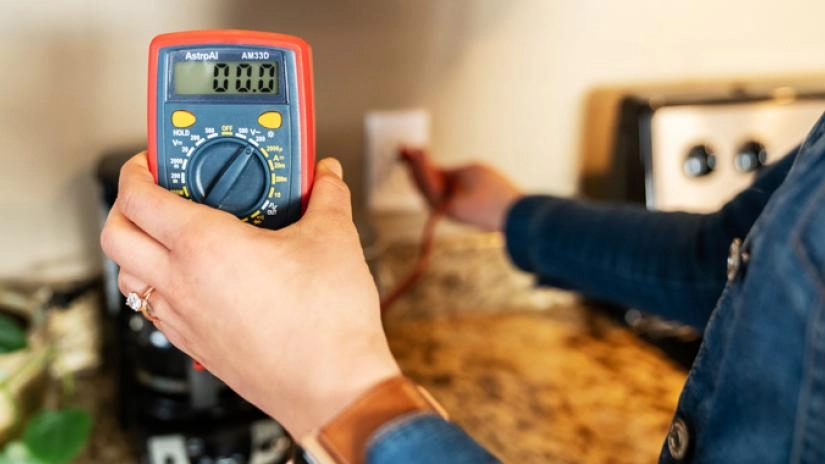
Overloading an electrical circuit can cause some serious problems. While that may seem obvious, chances are that you’ve caused a circuit overload at least once in your life.
Read More
Is Your Electrical Outlet Not Working?
When the simple task of plugging your cell phone charger or hair dryer into the wall leaves you scratching your head and wondering why
Read MoreExpert Tips
View All Expert Tips

Top 8 Electrical Safety Essentials Your Home Needs
The cliche of "always be prepared" reigns true in most areas of life, but especially in homeownership. You never know when the next electrical storm will hit, when you'll suddenly notice mold and mildew in your basement, or when someone will attempt to break into your home. Even if you feel as though these things could never happen to you, it's better to be safe than sorry.
Read MoreSmart Devices: How Safe Are They?
The market for smart home products is worth an estimated $40 billion, with 65% of Americans already owning at least one device or system and a majority of those planning to purchase more in the future. People embrace this trend to increase security, improve energy efficiency, or gain more control over their home’s day-to-day functions.
Read MoreServices We Provide

-
Large Appliance Outlets
Outdoor Outlets
USB Outlets
Tamper Resistant Outlets
Outlet Installation
Outlet Repair
Safety Outlets
Panel Installation
Panel Upgrades and Repair
Circuit Breakers
Surge Protectors
Power Conditioners
Light Switches
Wall Switches
Knob and Tube Wiring Upgrades
Wiring Upgrades
Electrical Code Updates
Electrical Safety Check
Generators
Join Our Team
“We have the power to make things better.” That’s our mantra, not only for our customers' electrical issues, but also you, a future team member!

Your Source for Local Home Service Experts
Neighborly brands repair, maintain, and enhance properties — to make life easier and more enjoyable for homeowners. Our consistency and quality work are the basis for everything we do, and are what make us a leader in the home services space, as we constantly strive to "be so remarkable, we become a beloved household name."
Book Online
A representative from our office will get back to you shortly to schedule service.
Due to a system error, we did not get your request. Please call us for immediate assistance.
We don't currently provide service to this ZIP/postal code.
Yes! You can email me service reminders and other messages.
Mr. Electric, a Neighbourly Company on its own behalf and on behalf of and its affiliates and franchisees requests your consent to send promotional and other electronic messages to you concerning products and services they believe are of interest to you. By checking this box, you agree to receive these messages. You can unsubscribe at any time.
Text opt-in does not apply for Canadian residents.