Licensed Electrician in Sarasota, FL | Locally Owned & Operated
Mr. Electric® of Sarasota is a locally owned, licensed electrical contractor serving Sarasota, Sarasota Springs, and Sarasota County. We work on homes built in every era, from 1960s concrete block houses in Sarasota Springs and Gulf Gate to newer construction in Lakewood Ranch. Every job is backed by upfront pricing and the Neighborly Done Right Promise®. Whether you need surge protection installed or wiring for pool circuits, our electricians will take care of it.

Book Online

A representative from our office will get back to you shortly to schedule service.
Due to a system error, we did not get your request. Please call us for immediate assistance.
We don't currently provide service to this ZIP/Postal code.
Yes! You can email me service reminders and other messages.
Mr. Electric, a Neighbourly Company on its own behalf and on behalf of and its affiliates and franchisees requests your consent to send promotional and other electronic messages to you concerning products and services they believe are of interest to you. By checking this box, you agree to receive these messages. You can unsubscribe at any time.
Text opt-in does not apply for Canadian residents.
Customer Reviews
View All Testimonials
The Neighborly Done Right Promise® delivered by Mr. Electric®, a proud Neighborly company.
Easy Online BookingResidential and Commercial Electrical Services in Sarasota, FL
Our licensed electrical contractors handle panel upgrades, surge protection, generator installation, EV charger installation, wiring repairs, and emergency service throughout Sarasota, Sarasota Springs, Siesta Key, Osprey, Desoto Lakes, Fruitville, and Bee Ridge. Contact us to schedule your service.
-
Installations
We’re your home improvement experts when it comes to custom lighting, data lines, and much more.Learn more Installations -
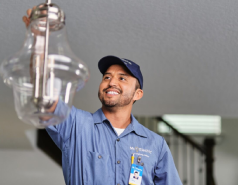
Lighting
Your home or office will look dazzling with our professional holiday light installation.Learn more Lighting -
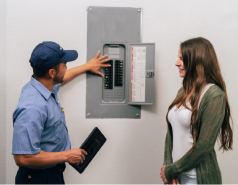
Electrical Safety
Who needs store-bought wall plugs when you have our tamper-proof outlets to keep your kids safe?Learn more Electrical Safety -
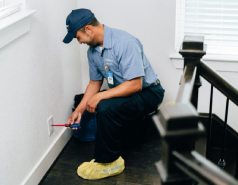
Repairs
Looking for electrical repair near you? We’ll help get you back to full power as quickly as possible.Learn more Repairs

Let us know how we can help you today.
Why Choose Mr. Electric of Sarasota?
-
Every electrician on our team holds a Florida Certified Electrical Contractor (EC) or Registered Electrical Contractor (ER) license, as required by Florida Statute 489. We work to the National Electrical Code (NEC) and the Florida Building Code on every job. We pull permits through Sarasota County Building and Development Services when required and stay on site until inspections pass. In older neighborhoods like Sarasota Springs, Southside Village, and Cherokee Park, we know what 1960s- and 1970s-era electrical systems look like and what they need.
-
We price by the job, not the hour. Before we start any work, you receive a written quote with the full cost. No diagnostic fees added at the end. No hourly billing adds up while we work. If we find something additional during the job, we stop and get your approval before proceeding. We respect your budget and your time, and we do not change the price after you say yes.
-
Mr. Electric is part of Neighborly, the world's largest home services organization with more than 30 brands and 5,500 franchises across North America. Every job we complete is backed by the Neighborly Done Right Promise®: if the work is not done right, we make it right. We carry general liability insurance and workers' compensation insurance on every job. Our electricians arrive in uniform, protect your floors, and clean up before they leave. For quality electrical work, contact us today!
579 Interstate Blvd Sarasota, FL 34240, USA
Areas We Serve
Frequently Asked Questions About Electrical Services in Sarasota, FL
-
We provide residential and commercial electrical services throughout Sarasota County, including Sarasota Springs, Siesta Key, and Osprey. In Sarasota Springs and other older neighborhoods, the most common first call we receive is about a 100-amp panel that can no longer handle the home's electrical load. A 200-amp panel upgrade is often the starting point for everything else. Our services include:
- Electrical panel upgrades
- Subpanel installation, circuit breaker replacement
- Dedicated circuit installation
- GFCI and AFCI outlet installation
- Surge protection
- Standby generator installation
- Level 2 EV charger installation
- Recessed and LED lighting services
- Ceiling fan installation
- Smoke and carbon monoxide detector installation
- Aluminum wiring remediation
- Knob and tube wiring replacement
- Pool and spa electrical, wiring repairs
- Electrical safety inspections
- Emergency electrical repair
-
Sarasota County Building and Development Services requires permits for most major electrical work. Projects like panel upgrades, service upgrades, new circuits, subpanel installation, generator installations, EV charger installations, and substantial rewiring all require a permit. Minor like-for-like replacements, swapping an outlet or light fixture in the same location, typically do not require a permit. Our electricians handle the permit application, coordinate with Sarasota County inspectors, and stay on site until the inspection passes. Skipping a permit is a serious risk.
Unpermitted electrical work shows up on title searches, voids your insurance claims after a fire, and forces costly remediation when you sell. We have been called to re-do unpermitted electrical work in Sarasota homes more times than we can count. The repair always costs more than the original licensed job would have. If you are unsure if your project will require a permit, reach out to your local building department and ask our Sarasota electricians. It’s always best to double-check then get caught without one.
-
Most homes built before 2000 in Sarasota County have 100-amp load centers (electrical panels) that were never designed for today's electrical demand. Neighborhoods like Sarasota Springs, Gillespie Park, Arlington Park, and Gulf Gate are dense with homes from the 1960s and 1970s. A 100-amp service provides 24,000 watts of capacity. A central AC unit draws 3,600 to 7,200 watts on its own. Add an electric water heater (4,500 watts), an electric range (7,200 to 12,000 watts), and a Level 2 EV charger (7,200 to 12,000 watts), and you exceed 100-amp capacity before turning on a single light.
An overloaded load center causes frequent breaker trips, flickering lights, and, in the worst cases, overheating and igniting insulation. When we open a panel in a 1960s Sarasota Springs home, we often find double-tapped breakers, undersized wire, and breakers that trip so often the handles are worn smooth. A 200-amp service upgrade resolves all of these problems.
-
A 100-amp to 200-amp panel upgrade in Sarasota typically costs between $5,000 and $9,000. The exact price depends on factors like the panel location, whether the service entrance conductors and meter base need replacement, existing wiring condition, and Sarasota County permit fees, $511. Homes in Sarasota Springs and older inland neighborhoods often have panels mounted in garages, which helps keep the cost of upgrading it on the lower end. Coastal properties on Siesta Key with corroded service entrances are more expensive. Florida Power and Light (FPL) must disconnect and reconnect service, which we coordinate for you. We provide a written, upfront quote after inspecting your current setup. The price does not change unless the scope changes, and we will tell you before we proceed.
-
The full project timeline, including the permit process, runs 4 to 6 weeks, as per Florida Power and Light’s (FPL) scheduling. The permit application to Sarasota County Building and Development Services will take 3 to 5 business days. The installation itself takes 6 to 8 hours to complete. Your power will be off for the day, and will be turned on at FPL’s convenience. Inspection scheduling takes place 24 to 48 hours after completion. We coordinate the disconnect and reconnect with FPL. We recommend scheduling on a weekday so that FPL can process the disconnect request faster. Move refrigerated items to a cooler before we arrive, and make arrangements for anyone who depends on medical equipment. We stay on site until power is restored and the inspection is scheduled.
-
A 100-amp service provides 24,000 watts of capacity (100 amps x 240 volts). A 200-amp service provides 48,000 watts, double the capacity at the same voltage. In more practical terms, a 100-amp panel is designed to run a 1970s-era home with a window AC unit, a gas range, and basic lighting. A 200-amp panel runs a modern Sarasota home with central AC, an electric water heater, an electric range, a home office, and a Level 2 EV charger simultaneously.
The National Electrical Code (NEC) load calculation method, defined in NEC Article 220, determines the minimum service size for any home. Most homes over 2,000 square feet with modern appliances require 200-amp service. Homes in Sarasota Springs and similar older neighborhoods that have never upgraded almost always need this service upgrade before adding any major new electrical load.
-
Panel upgrades require a Florida-licensed electrical contractor under Florida Statute 489, a Sarasota County permit, and a passing inspection. This is not a DIY project. Even with the main breaker off, the service entrance conductors coming in from Florida Power and Light (FPL) remain energized at 240 volts. Those wires do not de-energize until FPL disconnects at the meter. One contact with an energized service entrance conductor is fatal. Beyond the safety risk, unpermitted panel work violates Florida law, voids your homeowner's insurance, and creates liability if a fire occurs. We have been called to inspect unlicensed panel work in Sarasota homes. What we find is always worse than you expected, and the re-do cost is always higher than the original licensed job would have been.
-
Replace your panel if you notice frequent breaker trips, flickering or dimming lights when appliances start, a burning smell or discoloration near the panel, rust or corrosion on the enclosure, or breakers feeling warm or hot to the touch. According to panel manufacturers, the lifespan of an electrical panel is 30 years. If yours has reached that age, you should replace it. Also, replace any circuit breakers that are more than 25 years old.
Two panel brands that require immediate attention, regardless of whether symptoms are present, are Federal Pacific Electric (FPE) Stab-Lok and Zinsco/Sylvania panels. Both brands have documented failure rates and are no longer considered safe by electrical professionals or the Consumer Product Safety Commission (CPSC). Pushmatic panels, common in 1960s Sarasota homes, also have known issues with breaker failure. We inspect dozens of Sarasota panels every month. The panels we replace most often are Federal Pacific Stab-Lok units in homes built between 1950 and 1980. If your panel is one of these brands, schedule an inspection immediately.
-
Generator sizing depends on what you need to power during an outage. For essential circuits only (refrigerator, lights, select outlets, and internet), a 7-10 kW generator works. For whole-home coverage, including central air conditioning, you need a minimum of 20-26 kW. In Sarasota's climate, running air conditioning during a summer outage is a safety requirement, not a comfort preference.
A standard 3-ton central AC unit draws 3,500 to 5,000 watts. Small homes (1,500 to 2,000 square feet) typically need 10 to 14 kW, medium homes (2,000 to 3,000 square feet) need 16 to 20 kW, and large homes (3,000 square feet or more) need 22 to 26 kW. Add 1.5-2 kW for a pool pump and 1-2 kW for a well pump. The most common mistake we see is homeowners buying a generator that runs everything except the AC. We perform a load calculation during your consultation to ensure the unit is sized correctly. Brands we install and service include Generac, Kohler, and Cummins.
-
The cost of a professionally installed standby generator in Sarasota depends on size and site conditions. The price includes the generator, automatic transfer switch (ATS), installation labor, concrete pad, gas line connection (natural gas from TECO Peoples Gas or propane from a tank), electrical connection to your panel, Sarasota County permits, and startup testing. The biggest variable that impacts the cost of installing a generator in Sarasota is the distance from the existing gas line to the generator location. In Sarasota Springs and inland neighborhoods with natural gas service, the gas run is often short and cost-effective. In coastal areas or homes on propane, a tank installation adds cost. We provide a full scope quote after inspecting your property.
-
Generator installation takes 2 to 3 days of on-site work. The full project timeline from permit application to final approval takes 10 to 20 weeks at minimum. Permit applications (electrical, gas, and plumbing, if needed) take about 3 to 5 business days through Sarasota County Building and Development Services. The building plans review takes at least 6 weeks. We will need to then coordinate scheduling with FLP once the plans are approved. The concrete pad installation and curing take 1 day, plus at least 24 hours of curing time. Once the concrete cures, the generator and automatic transfer switch (ATS) installation takes 1 to 2 days. Finally, inspections (electrical, gas, and final operational) take 1 to 2 days, and startup and testing take a few hours. We coordinate the entire process. The permit process in Sarasota County is generally efficient for generator installations. We schedule all inspections and walk you through operating your generator before we leave.
-
The Sarasota County Building and Development Services requires multiple permits for standby generator installations. You'll need an electrical permit for the automatic transfer switch (ATS) and panel connection, a gas permit for the natural gas or propane line, and a plumbing permit if the gas line requires extensions. Setback requirements also apply, as generators must be at least 5 feet from windows, doors, and fresh-air intakes. Residential noise ordinances in Sarasota County govern generator sound levels, which may affect placement decisions. We handle all permit applications and coordinate all inspections. A generator installed without permits fails home inspections at resale, voids the manufacturer's warranty, and creates insurance liability. We include permit costs in every installation quote.
-
A standby generator is the best choice for hurricane season in Sarasota. Standby generators are installed permanently outside your home, connect to your electrical panel through an automatic transfer switch (ATS), and start automatically within seconds of losing power. You do not touch anything. When Hurricane Irma made landfall in 2017, power outages in Sarasota County lasted 3 to 7 days. Similar widespread outages affected the entire region when Hurricane Ian struck in 2022. Following Hurricane Ian, demand for standby generators in Sarasota County increased significantly as those who had been waiting finally acted.
Portable generators cost less up front but require manual setup, fuel storage, and frequent refueling. During a major storm, gas stations in Sarasota run out of fuel within hours. Standby generators run on natural gas from TECO Peoples Gas or stored propane, so the fuel supply is continuous. Brands we recommend for Sarasota's climate include Generac and Kohler, both of which have service networks in the area.
-
A Level 2 EV charger installation in Sarasota typically costs between $1,300 and $2,500, including the cost of installing a dedicated 240-volt circuit. The price depends on the distance from your electrical panel to the charging location, whether the run is interior or exterior, conduit requirements, the electric vehicle supply equipment (EVSE) model you choose, and Sarasota County permit fees, which are an additional cost.
Project scope will impact the cost. A garage installation where the panel is on the same wall as the charger runs is generally less expensive than an exterior or carport installation with a conduit run. If your home has a 100-amp panel without available capacity for a 40 to 50-amp dedicated circuit, a panel upgrade to 200-amp service must come first. In Sarasota Springs and older neighborhoods, approximately 40% of the EV charger quotes we provide require a panel upgrade as a first step. We inspect your panel and measure the distance before providing a quote.
-
It depends on your panel size and current load. A Level 2 electric vehicle supply equipment (EVSE) installation per NEC Article 625 requires a dedicated 240-volt circuit with a 40 or 50-amp breaker. Most 200-amp panels have available capacity. Most 100-amp panels do not. We perform a load calculation per NEC Article 220 to determine available capacity. This means adding the amp draw of every existing circuit (HVAC, water heater, appliances, lighting, outlets) and comparing the total to your panel's rated capacity.
If available capacity falls below 40 amps, you need to upgrade the panel before the charger installation. In Sarasota, older neighborhoods like Sarasota Springs, Southside Village, Cherokee Park, and Indian Beach have a high proportion of 100-amp panels. If your home is in one of these areas and was built before 1990, plan to upgrade to a panel as part of your overall EV charger project.
-
A Level 2 EVSE requires a new dedicated 240-volt circuit, and Sarasota County Building and Development Services requires an electrical permit for any new circuit installation. Per NEC Article 625, the installation must use proper wire gauge (8 AWG copper for 40-amp circuits, 6 AWG copper for 50-amp circuits), include GFCI protection, and pass inspection. We pull this permit regularly, and the process is straightforward. The inspection takes about 30 minutes after installation. If you install an EV charger without a permit and later sell your home, the unpermitted circuit appears on buyer inspections and title searches. This delays or ends the sale. We include the permit in every EV charger installation quote.
-
An EV charger installation typically takes 4 to 6 hours of on-site work. The full timeline, including permits and inspection, runs 3 to 5 days. A garage installation where the panel is nearby takes 4 hours. An exterior or carport installation with a longer conduit run takes 5 to 6 hours. The work includes installing a new 40 or 50-amp breaker in your panel, running 8 AWG or 6 AWG copper wire in conduit, mounting the EVSE, making final connections, and testing. We carry popular EVSE models, including NEMA 14-50 outlet configurations and hardwired units. After the installation, we schedule the Sarasota County inspection, which typically occurs within 24 to 48 hours. Most EV charger jobs in Sarasota are completed in one visit. We install chargers for Tesla, Ford, GM, Rivian, Hyundai, and all other EV brands.
-
A Level 2 EV charger is a 240-volt electric vehicle supply equipment (EVSE) unit delivering 25 to 30 miles of range per hour of charging. Level 1 charging uses a standard 120-volt household outlet and adds only 3 to 5 miles of range per hour. If you drive 40 miles per day, Level 1 charging takes 8 to 12 hours to restore your range. Level 2 charging takes 1.5 to 3 hours. Level 2 EVSEs connect via the SAE J1772 standard connector used by most non-Tesla EVs, or via the Tesla-specific NACS connector.
A dedicated 240-volt circuit, the same voltage as your electric dryer or oven, is necessary. In Florida, where AC use draws down EV batteries faster during summer, Level 2 charging is the practical standard for home use. Popular Level 2 EVSE brands we install include ChargePoint Home Flex, Enel X JuiceBox, and Tesla Wall Connector. Level 2 chargers also increase your Sarasota home's resale value as EV adoption in Florida continues to grow.
-
Florida leads the United States in lightning strikes, averaging over 1.4 million cloud-to-ground strikes per year according to the National Oceanic and Atmospheric Administration (NOAA). The National Weather Service Tampa Bay reports Southwest Florida, including Sarasota, averages 80 to 100 thunderstorm days annually. These storms are concentrated between June and September. Each lightning strike generates a power surge exceeding 100,000 volts.
A whole-house Surge Protective Device (SPD), installed at your electrical panel per NEC Article 285, stops surges before they reach your circuits. Type 2 SPDs are the standard for residential installations. We replace surge-damaged HVAC control boards, appliance electronics, and home office equipment in Sarasota homes every week during storm season. A whole-house SPD costs about $450 to $685 to install. A new HVAC control board alone costs $300 to $800.
-
Florida Statute 489 requires electrical contractors to hold either a Certified Electrical Contractor (EC) license or a Registered Electrical Contractor (ER) license issued by the Florida Department of Business and Professional Regulation (DBPR). An EC license is valid statewide. An ER license is limited to a specific county or municipality. Sarasota County also requires out-of-county contractors to register locally before pulling permits. Our team holds the proper state licenses and is registered with Sarasota County. Before hiring any electrician, verify their license number at myfloridalicense.com. We provide our license number upfront on every quote. Unlicensed electrical work violates Florida Statute 489, voids insurance coverage, fails inspections, and creates personal liability for you as the property owner.
-
We respond to electrical emergencies throughout Sarasota, Sarasota Springs, Siesta Key, and surrounding Sarasota County communities. Electrical emergencies include sparking outlets, burning odors from your panel or walls, exposed or damaged wiring, breakers that won't reset, and total power loss inside the home while neighbors have power. The most common emergency call we receive in Sarasota involves a panel smelling like burning plastic after a storm surge.
If you smell burning, see sparks, or hear crackling from your panel, turn off the main breaker if safe to do so and call us immediately. Do not attempt to open the panel. If the problem involves downed lines or your utility meter, call Florida Power and Light (FPL) at their outage line first. For everything inside your home, call us for electrical repairs when it’s safe to do so.
-
Circuit breakers trip for three reasons: overloaded circuits, short circuits, or ground faults. An overloaded circuit draws more current than the breaker's rating (15 or 20 amps for most branch circuits per NEC Article 210). A short circuit occurs when a hot conductor contacts a neutral conductor, causing a sudden surge in current. A ground fault occurs when a hot conductor contacts a grounded surface or a person.
In Sarasota Springs and other older neighborhoods, the most common cause we find is a 100-amp panel running a modern central AC system. The AC unit alone draws 15-30 amps, depending on the system. During Sarasota's summer afternoons, when the AC runs at full capacity, older panels trip because they lack the capacity to handle the combined load. If your breakers trip more than once a month, your panel is undersized, your circuits are overloaded, or you have a wiring fault. We diagnose the cause with a load test and circuit inspection.
-
If neighbors have power and you do not, the fault lies within your home or at your meter base, not in the utility grid. First, check your main disconnect at the electrical panel. If the main breaker handle sits in the middle position, the breaker has tripped. Turn it fully off, then back on. If the breaker trips again immediately, you have a short circuit or severe overload and need an electrician.
Second, check the individual breakers and reset any that are tripped. If a breaker will not hold, unplug everything on that circuit and try again. If the breaker still trips, the circuit has a fault. Third, check your outdoor meter base. Visible burn marks, a loose meter, or a damaged enclosure mean the problem is at the service entrance. Call Florida Power and Light (FPL) for meter and service entrance issues. Call us for everything inside your home. This is one of the most common calls we receive during Sarasota's storm season.
-
A buzzing or humming load center indicates a loose connection, a failing breaker, or an overloaded circuit. Loose connections create resistance. Resistance generates heat. Heat degrades wire insulation and creates arc flash risk. A slight hum when large appliances start is sometimes normal. A constant buzz, crackling, or popping is not. We have opened panels in Sarasota homes where insulation on conductors was visibly melted from heat buildup caused by a single loose lug connection.
In Sarasota's climate, panels mounted in garages or attics reach 120 to 140 degrees Fahrenheit during summer. That heat accelerates connection degradation. If your panel buzzes constantly, turn off the main breaker if safe to do so and call us immediately. Do not attempt to open the enclosure. If your panel is more than 20 years old and buzzing, replacement is likely the right answer.
-
A Ground Fault Circuit Interrupter (GFCI) outlet protects against electrical shock by detecting current imbalances as small as 5 milliamps and cutting power in under 25 milliseconds. Per NEC Article 210.8 and the Florida Building Code, the Florida code requires GFCI protection in bathrooms, kitchens within 6 feet of a sink, garages, outdoor areas, and crawl spaces. GFCI outlets meet UL 943 standard and are identifiable by their TEST and RESET buttons.
An Arc Fault Circuit Interrupter (AFCI) outlet protects against electrical fires caused by damaged wiring, loose connections, and arcing. Per NEC Article 210.12, AFCI protection is required in bedrooms and most living areas in homes built after 2002. AFCI devices meet UL 1699 standard. In Sarasota, we find GFCI outlets in bathrooms and garages that have never been tested and are no longer functioning. Test yours monthly. If pressing TEST does not trip the outlet, replace it.
-
If your home was built between 1965 and 1975. Aluminum branch circuit wiring was widely used from 1965 to 1975 as a lower-cost alternative to copper. Aluminum has a higher coefficient of thermal expansion than copper (23.1 versus 16.5 micrometers per meter per degree Celsius), meaning it expands and contracts more with temperature changes. Over time, this loosens connections at outlets, switches, and panel lugs. Loose connections create resistance heat.
According to the Consumer Product Safety Commission (CPSC), homes with aluminum branch circuit wiring are 55 times more likely to have fire hazard conditions at connection points compared to copper-wired homes. When we inspect 1970s homes in Sarasota Springs and Arlington Park, we look for aluminum wiring first. Remediation options include CPSC-approved COPALUM crimp connectors, AlumiConn twist connectors rated for aluminum-to-copper transitions, or CO/ALR-rated devices at outlets and switches. Full rewiring is the most thorough solution.
-
Schedule an electrical safety inspection if your home is more than 40 years old and has never been inspected, or if you are buying or selling a home. Schedule one if you notice frequent breaker trips or flickering lights, if you are adding a major appliance or EV charger, or if you are planning a renovation. During an inspection, we test your panel and all breakers, measure circuit loads, inspect outlets and switches for wear and code compliance, test all GFCI and AFCI devices, check grounding and bonding, examine visible wiring for damage, and look for code violations.
In older Sarasota homes, we find at least one code violation or safety concern in approximately 80% of inspections. We use infrared thermal imaging on panels and connection points to detect heat signatures indicating loose connections before they become fires. We provide you with a written report with findings ranked by safety priority. We go over our recommendations and answer any questions you have.
-
Salt air accelerates corrosion on outdoor electrical components in coastal Sarasota communities, including Siesta Key and Lido Key. Outdoor outlets, light fixtures, conduit, and electrical enclosures exposed to salt spray corrode at a rate two to three times faster than those in inland locations. We recommend:
- NEMA 3R-rated enclosures for outdoor electrical equipment in coastal areas
- Marine-grade wiring, where applicable
- Stainless steel or PVC conduit instead of standard EMT conduit
- Weatherproof in-use covers on all outdoor GFCI outlets
On Siesta Key and Lido Key, we replace outdoor GFCI outlets and fixtures twice as often as in inland neighborhoods like Sarasota Springs or Lakewood Ranch. Coastal homes also face a higher flood risk during hurricane storm surges. Elevating electrical panels above FEMA flood zone requirements and installing whole-house surge protection are essential steps for waterfront properties.
-
Hurricane season in Florida runs from June 1 through November 30. Sarasota County has experienced significant storm impacts, including Hurricane Irma in 2017 (3 to 7 days of widespread outages) and Hurricane Ian in 2022. After Hurricane Ian, we saw a significant increase in generator installation requests across Sarasota County as those who had delayed finally acted. If you lose power for more than 24 hours in Sarasota's summer heat, your home becomes unsafe without air conditioning. A standby generator with an automatic transfer switch (ATS) solves this completely. Before hurricane season, take these steps:
- Test all GFCI outlets using the TEST button and replace any not tripping
- Inspect outdoor electrical connections and fixtures for corrosion or damage
- Trim tree branches near your home's service entrance and meter
- Install a whole-house Surge Protective Device (SPD) per NEC Article 285 if you do not have one
- Evaluate whether a standby generator is right for your home
-
Sarasota County follows the Florida Building Code, which adopts the National Electrical Code (NEC) with Florida-specific amendments. The current edition is the Florida Building Code, 7th Edition (2020), based on the 2020 NEC. The Florida Building Commission updates the code every three years. All permitted work must meet the code in effect at the time of permit issuance. The most common code violation we find during inspections in Sarasota Springs and other older neighborhoods is the lack of GFCI protection in garages and outdoor areas. Key NEC 2020 requirements relevant to your Sarasota home include:
- GFCI protection per NEC Article 210.8 (kitchens, bathrooms, garages, outdoors)
- AFCI protection per NEC Article 210.12 (bedrooms, living areas)
- EV charger circuits per NEC Article 625
- Surge protection per NEC Article 285
- Pool and spa electrical per NEC Article 680
-
Standard NEMA 5-15 outlets last 15 to 25 years under normal use. GFCI outlets last 10 to 15 years in inland locations and 5 to 10 years in coastal areas such as Siesta Key and Lido Key, where salt air corrodes internal components more quickly. Tamper-resistant receptacles (TRR), required by NEC in all new residential construction, should be replaced on the same schedule.
Replace an outlet immediately if plugs fit loosely, if you see scorch marks or discoloration, if the outlet feels warm, or if the outlet sparks when you plug something in. Test GFCI outlets monthly by pressing the TEST button. If the outlet does not trip, the internal mechanism has failed, and the outlet must be replaced. In coastal Sarasota homes, we replace GFCI outlets only 5 years old because salt air has corroded the trip mechanism.
-
For new construction and permitted renovations. Florida Building Code Section R314 requires hardwired smoke alarms with battery backup in all new residential construction. These alarms must be interconnected per NFPA 72 (National Fire Alarm and Signaling Code), meaning when one alarm detects smoke, all alarms throughout the home sound simultaneously. Smoke alarms that meet UL 217 standards should be installed in every bedroom, outside each sleeping area, and on every floor. Existing homes built before the current code are grandfathered unless you perform a major renovation requiring a permit. Battery-only alarms are acceptable in older homes but provide less protection.
-
You are paying for expertise, licensure, insurance, code compliance, and a guarantee the work is safe and legal. A Florida-licensed electrical contractor under Florida Statute 489 completes years of apprenticeship and passes state licensing exams. They need to complete continuing education units (CEUs) each renewal cycle to stay current with changes to the NEC and the Florida Building Code.
We carry general liability insurance and workers' compensation insurance. If an unlicensed worker is injured on your property, you bear the liability. We pull permits, coordinate inspections, and stand behind our work with the Neighborly Done Right Promise®. We have been called to fix unlicensed electrical work in Sarasota homes. The repair cost is always higher than the original licensed job would have been, and you, as the property owner, still face permit violations and insurance exposure from the original unpermitted work.
-
A dedicated branch circuit serves only one appliance or outlet and runs directly from your electrical panel with its own breaker. Per NEC Article 210 and appliance manufacturer requirements, dedicated circuits are necessary for:
- Refrigerators
- Microwaves (1,200 watts or more)
- Dishwashers
- Garbage disposals
- Electric water heaters
- HVAC systems
- Electric ranges and ovens
- Washers
- Dryers
- Sump pumps
- EV chargers
A dedicated 20-amp circuit handles most kitchen appliances. A 30 to 50-amp, 240-volt dedicated circuit handles EV chargers and electric dryers. In Sarasota, we add dedicated circuits most often during kitchen renovations, garage conversions, and EV charger installations. Homes built before 1990 in Sarasota Springs and similar neighborhoods frequently share circuits between appliances, each needing its own. When we upgrade kitchen appliances in an older Sarasota home, we almost always add at least two dedicated circuits.
-
We price by the job, not the hour, so you know the full cost before we start. Every quote is written and upfront. If we find additional issues during the job, we stop and get your approval before proceeding. We do not add charges after you say yes. Financing options are available for larger projects. Various factors will impact the overall cost of your electrical service, but some approximate common service costs in Sarasota, as a general reference, include:
- GFCI outlet replacement runs about $150 to $250 per outlet
- Ceiling fan installation runs about $250 to $350
- Dedicated circuit installation runs about $200 to $500, depending on distance and conduit requirements
- Electrical panel tune-up runs about $350 to $775, depending on the severity of the issues
- 100-amp to 200-amp panel upgrade runs about $5,000 to $9,000
- Whole-house surge protector installation runs about $450 to $685
- Level 2 EV charger installation runs about $1,300 to $2,500, plus permit fees
-
We recommend scheduling electrical inspections annually, especially for homes over 25 years old. Florida's climate creates conditions that accelerate the wear more quickly than in most other states. High humidity corrodes connections at outlets, switches, and panel lugs. Salt air in coastal areas like Siesta Key or Lido Key corrodes outdoor components at an accelerated rate. Summer heat in attic and garage-mounted panels (120 to 140 degrees Fahrenheit) degrades wire insulation faster than in temperate climates. We offer annual inspections as a complimentary service for our Advantage Plan members.
Lightning strikes cause hidden surge damage that accumulates across multiple events. Per NFPA 70B (Recommended Practice for Electrical Equipment Maintenance), regular inspection and maintenance extend system life and reduce fire risk. We use infrared thermal imaging during inspections to detect heat signatures at connection points, indicating developing faults before they become emergencies. According to the National Fire Protection Association (NFPA), electrical fires cause over 24,000 house fires annually in the United States. Regular inspections prevent the majority of them.
-
A generator protects you from power outages. Generators do not protect you from power surges. Events like lightning strikes and utility grid switching can create voltage surges that enter your home through the utility connection, not through the generator. When utility power is restored after an outage, the reconnection event itself sends a surge through your wiring.
A whole-house Surge Protective Device (SPD) per NEC Article 285, installed at your electrical panel, diverts surges to ground before they reach your circuits. Type 2 SPDs are rated by joule capacity and clamping voltage. The NEC requires surge protection on every electrical panel. We install whole-house SPDs on every generator installation we complete in Sarasota. With Florida averaging over 1.4 million cloud-to-ground lightning strikes per year, whole-house surge protection is not optional in this climate. The cost of replacing a fried HVAC system, appliances, and electronics is many times the cost of installing surge protection.
-
Every job is backed by the Neighborly Done Right Promise®. If the work is not done right, we come back and make it right at no charge. We have done this. Our electricians take pride in their work, and we stand behind our work completely. Our team arrives in uniform, protects your floors with shoe covers, and cleans up before leaving. We are not the lowest-priced electrical contractor in Sarasota, and we do not try to be. We are the option that completes the job correctly, pulls the proper permits, passes inspection, and backs the work with a guarantee you trust.
-
Call us directly or contact us online to request an appointment. We serve Sarasota, Sarasota Springs, Siesta Key, Osprey, Desoto Lakes, Fruitville, Bee Ridge, and surrounding communities throughout Sarasota County. Most appointments book within 24 to 48 hours. When you call, describe what you need. We ask a few questions, give you a time window, and send a licensed electrician to your home. Our service trucks are fully stocked, so we complete most jobs in one visit. For electrical emergencies, tell us when you call, and we prioritize your appointment. Read our customer reviews to see what your neighbors in Sarasota say about our work.
-
Knob and tube wiring is an early electrical wiring method used in homes built before 1950. It consists of single copper conductors routed through porcelain knobs (for support) and porcelain tubes (where wires pass through framing). Knob and tube wiring has no ground conductor, meaning it provides no protection against ground faults and cannot support three-prong grounded outlets.
The cloth insulation on knob and tube wiring becomes brittle and cracks with age, creating an arc and fire risk. Insurance carriers often refuse coverage or charge significantly higher premiums for homes with active knob and tube wiring. In Sarasota, we find knob and tube wiring most often in historic homes in Laurel Park and Gillespie Park, built before 1945. If your home has knob and tube wiring, we recommend a full inspection to assess the condition of the insulation and connections. Replacement with modern NM-B (Romex) cable or conduit wiring is the safest long-term solution.
-
Pool and spa electrical work is one of the most code-intensive services we provide. Per NEC Article 680, all pool and spa electrical installations require equipotential bonding of all metal components within 5 feet of the water's edge, including the pool shell, pump, filter, lighting, and any metal fencing. NEC Article 680 requires GFCI protection on all pool pump circuits and underwater lighting circuits.
Pool lighting must use low-voltage or wet-niche fixtures rated for submersion. Florida has one of the highest rates of pool ownership in the United States, and Sarasota County reflects this. We install and service pool pump circuits, underwater and perimeter lighting, bonding systems, GFCI protection, and outdoor kitchen circuits adjacent to pool areas. If you are adding a pool, spa, or outdoor kitchen in Sarasota, contact us before construction begins. Electrical rough-in during construction costs far less than retrofitting after the fact.
-
The electrical upgrades adding the most measurable value to a Sarasota home are:
- 200-amp panel upgrade (required for most modern appliances and EV chargers, and a top buyer concern during home inspections)
- Level 2 EV charger installation (Florida ranks third in U.S. EV registrations, making this increasingly expected by buyers)
- Whole-house surge protection (a low-cost upgrade protecting all electronics and appliances from Florida's frequent lightning)
- Recessed LED lighting (modernizes living spaces and reduces energy consumption)
- Smart home integration (smart switches, dimmers, and outlet controls add convenience and appeal)
In Sarasota's real estate market, buyers increasingly ask about electrical panel capacity and EV charging capability during home tours. A 100-amp panel with no available capacity is a negotiating liability. A 200-amp panel with a Level 2 EV charger is a selling point.
-
A subpanel (also called a distribution panel or load center) is a secondary electrical panel fed by a feeder circuit from your main panel. It distributes power to a specific area of your property, such as a detached garage, workshop, pool house, or accessory dwelling unit (ADU). Subpanels are the right solution when the area you need to power is too far from the main panel for individual circuit runs to be cost-effective, or when you need more circuit capacity in a specific location than your main panel provides.
Common subpanel sizes in Sarasota are 60-amp and 100-amp, depending on the load requirements of the space. Subpanel installation requires a permit from Sarasota County Building and Development Services and a licensed electrical contractor. In Sarasota, we install subpanels most often for detached garages, outdoor kitchens, and pool equipment areas. If you are converting a garage to a living space or adding a workshop, a subpanel is almost always the right approach.
-
Warning signs of dangerous wiring require immediate attention from a licensed electrical contractor. Call us if you notice any of these warning signs:
- Burning smell from outlets, switches, or your electrical panel
- Outlets or switch plates warm or hot to the touch
- Scorch marks or discoloration around outlets or switches
- Flickering or dimming lights not caused by a specific appliance starting
- Breakers tripping repeatedly on the same circuit
- Buzzing or crackling sound from your panel or walls
- Outlets sparking when you plug something in
In Sarasota, homes with Federal Pacific Stab-Lok panels, Zinsco panels, aluminum branch circuit wiring, or knob and tube wiring present the highest risk. According to the National Fire Protection Association (NFPA) and the Consumer Product Safety Commission (CPSC), these conditions are leading causes of residential electrical fires. Do not wait for these warning signs. An inspection costs far less than a fire. Ready to schedule your electrical service in Sarasota? Contact us to request a service appointment today, or check out our special offers for new customers.
Our Blog
View All Blog PostsDangers of an Overloaded Circuit
Overloading an electrical circuit can cause some serious problems. While that may seem obvious, chances are that you’ve caused a circuit overload at least once in your life.
Read More
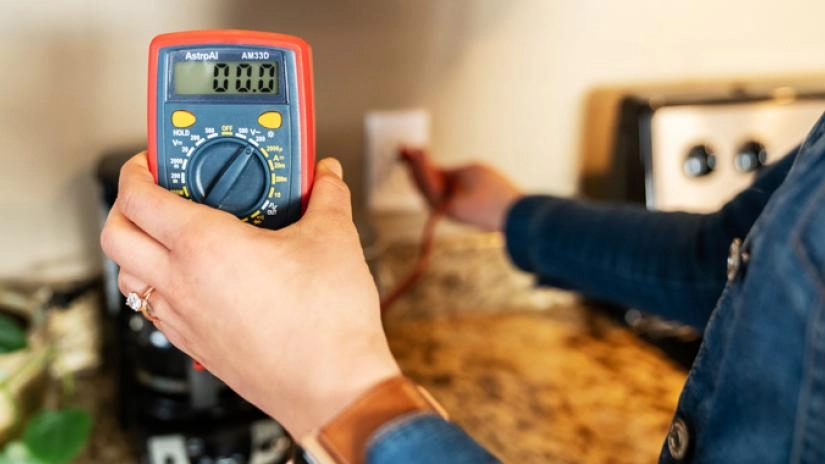
Is Your Electrical Outlet Not Working?
When the simple task of plugging your cell phone charger or hair dryer into the wall leaves you scratching your head and wondering why
Read MoreExpert Tips
View All Expert Tips
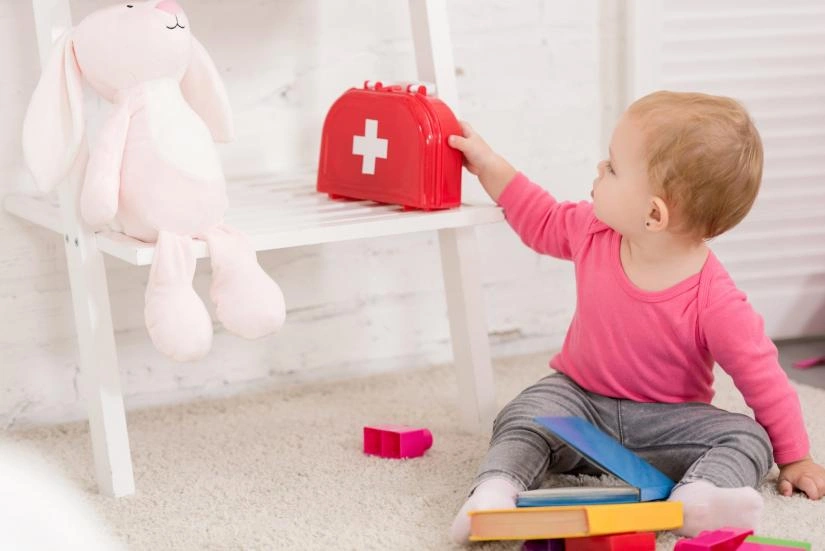
Top 8 Electrical Safety Essentials Your Home Needs
The cliche of "always be prepared" reigns true in most areas of life, but especially in homeownership. You never know when the next electrical storm will hit, when you'll suddenly notice mold and mildew in your basement, or when someone will attempt to break into your home. Even if you feel as though these things could never happen to you, it's better to be safe than sorry.
Read MoreSmart Devices: How Safe Are They?
The market for smart home products is worth an estimated $40 billion, with 65% of Americans already owning at least one device or system and a majority of those planning to purchase more in the future. People embrace this trend to increase security, improve energy efficiency, or gain more control over their home’s day-to-day functions.
Read MoreServices We Provide

-
Large Appliance Outlets
Outdoor Outlets
USB Outlets
Tamper Resistant Outlets
Outlet Installation
Outlet Repair
Safety Outlets
Panel Installation
Panel Upgrades and Repair
Circuit Breakers
Surge Protectors
Power Conditioners
Light Switches
Wall Switches
Knob and Tube Wiring Upgrades
Wiring Upgrades
Electrical Code Updates
Electrical Safety Check
Generators
Join Our Team
“We have the power to make things better.” That’s our mantra, not only for our customers' electrical issues, but also you, a future team member!

Your Source for Local Home Service Experts
Neighborly brands repair, maintain, and enhance properties — to make life easier and more enjoyable for homeowners. Our consistency and quality work are the basis for everything we do, and are what make us a leader in the home services space, as we constantly strive to "be so remarkable, we become a beloved household name."
Book Online
A representative from our office will get back to you shortly to schedule service.
Due to a system error, we did not get your request. Please call us for immediate assistance.
We don't currently provide service to this ZIP/postal code.
Yes! You can email me service reminders and other messages.
Mr. Electric, a Neighbourly Company on its own behalf and on behalf of and its affiliates and franchisees requests your consent to send promotional and other electronic messages to you concerning products and services they believe are of interest to you. By checking this box, you agree to receive these messages. You can unsubscribe at any time.
Text opt-in does not apply for Canadian residents.