Licensed Electrician in Asheville, NC | Local Electrical Services
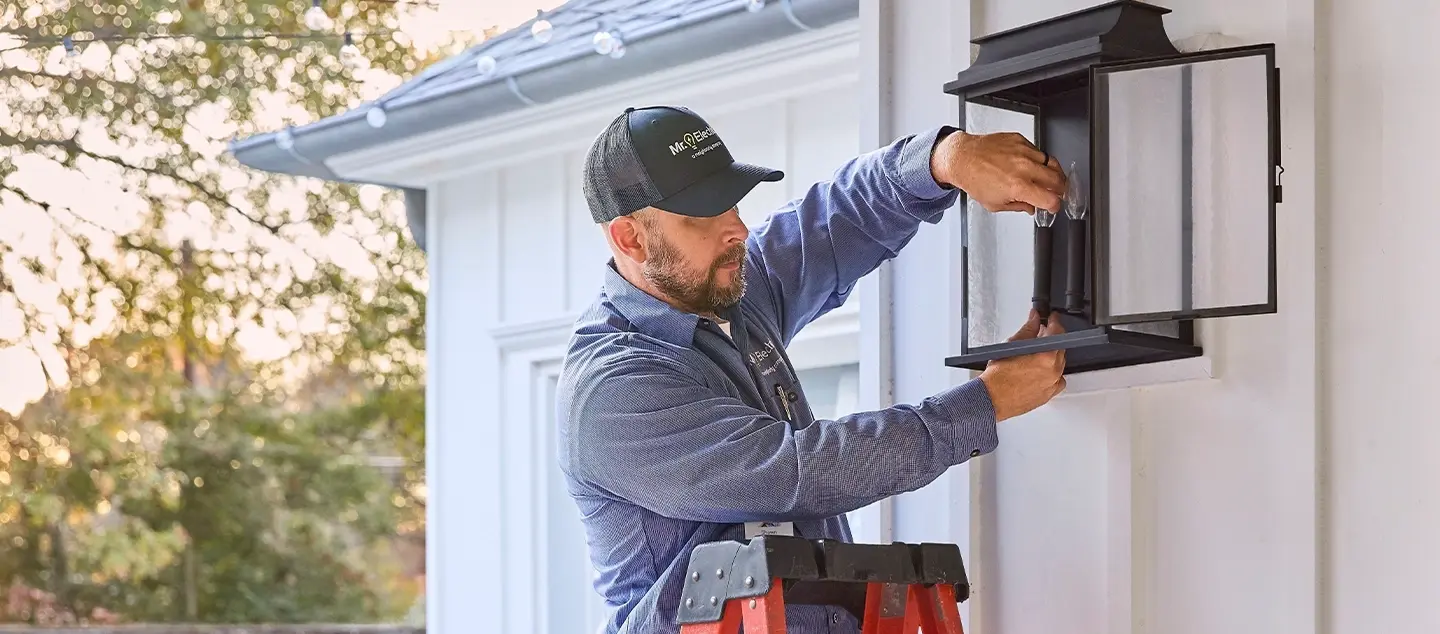
When your electrical system fails, you need a licensed residential electrician in Asheville who knows older homes and current North Carolina codes. Mr. Electric® of Asheville is locally owned and operated. We handle panel upgrades, rewiring, light fixture installation, EV chargers, and all residential and commercial electrical work. Upfront pricing, no surprises, backed by the Neighborly Done Right Promise®.

Book Online

A representative from our office will get back to you shortly to schedule service.
Due to a system error, we did not get your request. Please call us for immediate assistance.
We don't currently provide service to this ZIP/Postal code.
Yes! You can email me service reminders and other messages.
Mr. Electric, a Neighbourly Company on its own behalf and on behalf of and its affiliates and franchisees requests your consent to send promotional and other electronic messages to you concerning products and services they believe are of interest to you. By checking this box, you agree to receive these messages. You can unsubscribe at any time.
Text opt-in does not apply for Canadian residents.
Customer Reviews
View All Testimonials
The Neighborly Done Right Promise® delivered by Mr. Electric®, a proud Neighborly company.
Easy Online BookingElectrical Services for Asheville Homes and Businesses
Many Asheville homes run on electrical systems built decades ago. A 100-amp panel from 1980 cannot handle modern demand. Air conditioning, home offices, kitchen appliances, and EV chargers need power that your old system was never designed for. We install a wide variety of electrical upgrades, including 200-amp panel replacements, dedicated circuits, rewiring, and lighting installations throughout Buncombe County.
-
Installations
From installing an exhaust fan to commercial electrical panel upgrades, our experts provide top-notch services.Learn more Installations -

Lighting
Our team keeps your space dazzling year-round with lighting installation and maintenance services.Learn more Lighting -
Electrical Safety
Our professional electricians will install tamper-proof outlets to keep your children safe.Learn more Electrical Safety -
Repairs
Mr. Electric offers comprehensive electrical repairs near you to keep your property safe and functional.Learn more Repairs

Let us know how we can help you today.
Why Asheville Homeowners Choose Mr. Electric

-
Every electrician on our team holds a North Carolina electrical license, passes a background check, and carries full insurance. We are a locally owned and operated Mr. Electric franchise, part of the Neighborly family of home service brands. You get the accountability of a neighbor who lives and works in Asheville, backed by the systems and standards of a national brand founded in 1994. We show up in uniform, protect your floors, and clean up when the job is done.
-
We price by the job, not by the hour. You get a clear quote before we start, and you decide if you want to move forward. No surprises on the invoice. Every job we complete is backed by the Neighborly Done Right Promise®: if it is not done right, we make it right. That is not a marketing line. That is how we do business in Asheville.
-
Our local electricians handle the full scope of electrical work for Asheville homes and businesses. Electrical panel upgrades from 100-amp to 200-amp service. Rewiring older homes with unsafe wiring. Dedicated 240-volt circuits for charging stations, spas, and large appliances. Light fixture installation, surge protection, safety inspections, and code compliance work throughout Montford, West Asheville, and Buncombe County.
Arden, NC 28704, USA
Areas We Serve
Frequently Asked Questions About Electrical Services in Asheville, NC
-
Flickering lights signal a loose connection, an overloaded circuit, or voltage fluctuations from the utility grid. In older Asheville homes, flickering often points to deteriorating wire connections or an undersized panel struggling with modern demand. If flickering happens when you turn on a large appliance, your circuit is overloaded. Occasional flickering during storms is normal due to Duke Energy grid fluctuations, but persistent indoor flickering needs attention. A loose connection generates heat, and heat damages insulation over time. Left unchecked, this becomes a fire hazard. When our electricians diagnose flickering in Asheville homes, a loose neutral connection at the panel or a service entrance is one of the most common causes we find.
Call a licensed electrician right away if flickering affects multiple rooms or you notice any burning smell.
-
A circuit breaker trips when it detects an overload, short circuit, or ground fault, shutting off power to protect your home from fire or damage. One-time trips are generally harmless. Repeated tripping means your circuit is handling more load than it was designed for, or you have a wiring fault somewhere. Many older Asheville homes have 15-amp circuits wired with 14-gauge copper that cannot support multiple modern appliances simultaneously. A 20-amp circuit requires 12-gauge copper wire and can safely handle significantly higher loads. If your breaker trips when nothing is plugged in, you have a short circuit or ground fault needing immediate repair. Do not replace the breaker with a higher amp rating. That bypasses the protection the wire needs and creates a fire risk inside your walls. When our electricians diagnose frequent breaker trips in Asheville homes, an undersized or overloaded circuit is the most common finding.
Contact our customer service team to book a licensed electrician. We’ll evaluate your system and add circuits where your load demands it.
-
A warm panel or buzzing sound is a serious warning sign. Electrical panels should run cool and silently. Heat and noise indicate loose connections, failing breakers, or an overloaded panel, all of which create fire risk. Asheville homes built between the 1950s and 1980s often contain Federal Pacific Electric or Zinsco panels.
You can identify a Federal Pacific Electric panel by the name "Stab-Lok" on the breakers or by a red stripe on the panel door. Zinsco panels often have colorful breaker handles in blue, green, or red. The U.S. Consumer Product Safety Commission has linked both brands to documented failure rates and fire hazards because their breakers fail to trip under overload conditions, allowing wiring to overheat inside your walls.
Our electricians regularly find these panels in Asheville homes and recommend replacement regardless of their apparent function. If your panel feels hot or you hear crackling or buzzing, shut off the main breaker if safe to do so and call a licensed electrician immediately.
-
Start by checking whether the outlet is controlled by a wall switch, which is common for outlets used with floor lamps. Next, go to your electrical panel and look for a tripped breaker. Reset it by flipping it fully off, then back on. If the outlet is in your kitchen, bathroom, garage, or outdoor area, locate the GFCI outlet that controls that circuit and press its reset button. North Carolina code requires GFCI protection in wet locations to prevent electrocution. If resetting the breaker or GFCI does not restore power, the outlet has a loose wire connection or internal damage. Do not open the outlet or touch any wiring. Call a licensed electrician to diagnose the problem safely. Faulty outlets cause thousands of electrical fires each year in the U.S.
-
Call a licensed electrician if you notice lights that flicker or dim when appliances turn on, circuit breakers that trip repeatedly, a panel that feels warm or makes buzzing sounds, outlets or switches with scorch marks or a burning smell, sparks when you plug something in, or any part of your system that gives you a shock. Electrical fires cause an estimated 45,000 home fires in the U.S. annually, according to the National Fire Protection Association, and many start with warning signs that get written off as minor. In Asheville, older homes with original wiring or outdated panels are at higher risk than the average home. If your home is over 40 years old and has never had a professional electrical inspection, schedule one now.
-
Shut off power to that circuit at your electrical panel immediately, if you do so safely. Do not touch the outlet or plug anything into it. A burning smell or sparks from an outlet indicate an active electrical fault, posing a fire risk. Evacuate your home and call 911 if you see smoke or flames, or if you cannot safely reach your panel. Do not use water on an electrical fire. Once power is off and everyone is safe, call a licensed electrician for emergency repair. Burning plastic odors come from melting wire insulation caused by loose connections or overloaded circuits. Asheville homes with older wiring or aluminum wiring from the 1960s and 1970s are at higher risk for these failures. Never ignore burning smells or sparks.
-
You need a panel upgrade if your home has a 60- or 100-amp service panel, breakers trip frequently, you see rust or corrosion inside the panel, you smell burning near the panel, or you want to add high-demand appliances like an EV charger or central air conditioning. Most homes built before 2000 have 100-amp panels that cannot handle modern electrical demand. The median Asheville home is 54 years old, indicating that a large share of local homes rely on outdated panels. When our electricians inspect Asheville homes, the most common finding is a 100-amp panel running at or near full capacity with no room for new circuits. You can check your current service amperage by looking at the number stamped on your main breaker. Federal Pacific Electric or Zinsco panels are fire hazards and need replacement regardless of amperage.
-
A panel upgrade in Asheville involves six steps. First, we perform a load calculation to determine your home's total electrical demand and confirm 200-amp service meets your current and future needs. Second, we obtain an electrical permit from the City of Asheville Development Services. Third, we remove the old panel and install a new 200-amp panel with modern breakers. Fourth, we upgrade the service entrance wiring and meter base if needed, coordinating with Duke Energy for utility-side work. Fifth, we label every circuit, install AFCI and GFCI breakers where the National Electrical Code requires, and test the entire system. Sixth, a City of Asheville electrical inspector approves the work before we restore power. Your power will be off for 4 to 8 hours during installation. North Carolina law requires a licensed electrician for this work.
-
Most panel upgrades take 1 full day, with your power off for 4 to 8 hours during the installation. The total project timeline from permit to final inspection is typically 3 to 5 business days. The timeline depends on the complexity of your existing system, whether the meter base needs replacement, and how many circuits reconnect to the new panel. Older Asheville homes with plaster walls or aluminum service entrance wiring take longer than newer homes with open access. We obtain the electrical permit from the City of Asheville Development Services before we start, which takes a few days to process. A City of Asheville electrical inspector must approve the completed work before we close the panel and restore full power. We coordinate the schedule around your availability to minimize disruption to your household.
-
North Carolina law requires all electrical work to be performed by or under the direct supervision of a licensed electrical contractor, and the City of Asheville requires an electrical permit and inspection for all panel upgrades. Panel work involves connecting directly to live utility power at the service entrance, which remains energized even when your main breaker is off. One mistake at the service entrance can be fatal. Licensed electricians in North Carolina complete a minimum four-year apprenticeship and pass a state licensing exam to earn their credentials. If unlicensed work causes a fire or injury, your homeowner's insurance will likely deny the claim. Our team handles permits, installation, and inspection coordination so you get a safe, code-compliant panel upgrade from start to finish.
-
Yes, our residential electricians handle all electrical panel services, including repairs, upgrades, and new installations for Asheville homes and businesses. Your panel distributes power to every circuit in your home. When a breaker fails, a bus bar corrodes, or connections loosen, your entire electrical system is compromised. If your home has a Federal Pacific Electric or Zinsco panel, replacement is the only safe option. These brands have documented failure rates according to the U.S. Consumer Product Safety Commission, meaning their breakers fail to trip under overload conditions, allowing circuits to overheat and start fires. We install 200-amp panels with AFCI and GFCI breakers where the National Electrical Code requires. Every installation includes an electrical permit and passes the City of Asheville inspection before we complete the job.
-
A Level 2 EV charger requires a dedicated 240-volt circuit, typically 40 to 50 amps, installed by a licensed electrician with a City of Asheville electrical permit. A Level 1 charger uses a standard 120-volt outlet and charges slowly, adding roughly 4 to 5 miles of range per hour. A Level 2 charger operates at 240 volts and adds 20 to 30 miles of range per hour, making it the practical choice for home use. Most people choose a hardwired Level 2 charger or a NEMA 14-50 outlet to plug into. Your electrical panel must have enough capacity to support the charger. Many older Asheville homes with 100-amp panels require upgrading to 200-amp service before adding an EV charger. National Electrical Code Article 625 requires GFCI protection for all EV charging equipment.
-
EV charger installation cost in Asheville depends on the distance from your panel to the charger location, whether your panel has capacity for the new circuit or needs an upgrade first, the amperage of the charger circuit, and City of Asheville permit fees. A straightforward installation with a nearby panel and adequate capacity costs less than a project that requires a panel upgrade or long wire runs through finished walls. If your home has a 100-amp panel, a 200-amp upgrade is likely needed before adding an EV charger. The City of Asheville has offered rebate programs for residential EV charger installations, and Duke Energy has incentive programs for EV owners. Check with the City of Asheville Sustainability Office and Duke Energy for current program availability. We provide upfront, job-based pricing before any work begins.
-
Yes, EV charger installations in Asheville require an electrical permit from the City of Asheville Development Services at 51 Biltmore Avenue. The permit ensures the work complies with National Electrical Code Article 625 and North Carolina electrical code requirements for the safety of EV charging equipment. A licensed electrician pulls the permit, completes the installation, and coordinates the inspection with the city. The electrical inspector verifies that the circuit is sized correctly, GFCI protection is in place, the charger is mounted securely, and all wiring connections are code-compliant. Skipping the permit process is illegal and puts you at financial risk. If unpermitted electrical work causes damage, your homeowner's insurance may deny the claim. Our licensed electricians handle all permitting and inspection coordination as part of every EV charger installation.
-
Yes, our licensed electricians install EV charging stations for Asheville and Buncombe County residents. A Level 2 home charger is the most practical option for daily use, providing a full overnight charge for most electric vehicles. We assess your current electrical panel capacity, calculate the load to confirm your system handles the new circuit safely, obtain the City of Asheville permit, install the dedicated 240-volt circuit and charger, and coordinate the city inspection. If your panel does not have enough capacity, we recommend a 200-amp panel upgrade before installing the charger. Many Asheville homes built before 2000 need this upgrade. We provide upfront pricing and walk you through every step so you know exactly what the project involves before we start.
-
A Ground Fault Circuit Interrupter, or GFCI, is a safety device that shuts off power within 0.006 seconds when it detects current leaking outside its intended path, protecting you from electrocution. GFCI protection comes in two forms: a GFCI outlet with test and reset buttons on its face, or a GFCI breaker installed in your electrical panel that protects an entire circuit. The National Electrical Code requires GFCI protection in bathrooms, kitchen countertop areas, garages, outdoor outlets, crawl spaces, unfinished basements, laundry areas, and near utility sinks. North Carolina enforces these requirements in Asheville. Older Asheville homes frequently lack GFCI protection in these locations because the code requirement did not exist when they were built. Test your GFCI outlets monthly by pressing the test button. If the outlet does not trip or will not reset, replace it immediately.
-
An Arc Fault Circuit Interrupter, or AFCI, is a breaker that detects dangerous electrical arcing in your wiring and shuts off power before a fire starts. Arcing happens when electricity jumps across a gap caused by damaged insulation, loose connections, or deteriorating wire. A GFCI protects against shock from ground faults. An AFCI protects against fires from arc faults. They address different hazards, and both are required in modern construction.
According to the National Fire Protection Association, electrical failures cause 13% of home structure fires, and arcing faults are a primary cause. The National Electrical Code requires AFCI protection in bedrooms, living rooms, dining rooms, family rooms, dens, closets, and hallways. New Asheville homes and major renovations must include AFCI breakers. If your home was built before these requirements, adding AFCI breakers during a panel upgrade significantly improves fire safety.
-
Tamper-resistant receptacles are outlets with spring-loaded shutters inside the slots that block foreign objects from being inserted. Both slots must be engaged simultaneously, as a plug does, for the shutters to open. Standard outlets offer no such protection. The National Electrical Code has required tamper-resistant outlets in all 15- and 20-amp receptacles in dwelling units since the 2008 code cycle, so newer Asheville homes already have them installed. Older homes do not. According to the U.S. Consumer Product Safety Commission, approximately 2,400 children in the U.S. suffer electrical shock or burn injuries from outlets annually. Tamper-resistant outlets eliminate this risk without changing the outlet's appearance or function. If you have children or grandchildren in your home, our electricians can replace standard outlets with tamper-resistant versions throughout your home quickly and at a reasonable cost.
-
Yes, the City of Asheville requires electrical permits for service upgrades, panel replacements or upgrades, new circuit installations, major rewiring, generator installations, spa and hot tub electrical hookups, and EV charger installations. Permits are obtained from the City of Asheville Development Services Department at 51 Biltmore Avenue. Minor like-for-like replacements, such as swapping a light fixture, outlet, or switch for an identical unit, typically do not require a permit. All permitted electrical work must be performed by a licensed electrician and must pass inspection by a City of Asheville electrical inspector before the work is complete. Skipping permits is illegal, creates a safety risk, and voids your homeowner's insurance coverage if unpermitted work causes damage. Our licensed electricians handle all permit applications and inspection coordination for every project.
-
Test every GFCI outlet monthly by pressing the test button. The outlet should lose power. Press reset to restore it. If it does not trip or will not reset, replace the outlet. Check all outlets and switches for warmth, discoloration, or loose cover plates. Look for lights that flicker or dim when appliances turn on. Listen for buzzing, crackling, or humming from your panel, outlets, or switches. Feel your electrical panel periodically to confirm it is cool to the touch. Inspect extension cords for frayed or cracked insulation and replace any damaged cords immediately. Test smoke detectors monthly and replace units older than 10 years. Asheville's humid summers and occasional severe weather both stress electrical systems. If you notice any of these warning signs, shut off power to the affected circuit and call a licensed electrician before using it again.
-
Yes. If your Asheville home has this type of wiring, a complete electrical upgrade is necessary. Knob and tube wiring was standard in homes built before the 1940s and was phased out by the 1950s. If it remains in your home today, the system is at least 75 to 85 years old. The rubber and cloth insulation disintegrates over decades, leaving bare conductors that create shock and fire hazards. This older wiring system lacks a ground wire, provides no protection against overloads on individual circuits, and was never designed for modern appliances, HVAC systems, or electronics. Many insurance companies refuse to write policies on homes with active knob and tube wiring or charge significantly higher premiums. Historic Asheville neighborhoods, including Montford, Kenilworth, and Chestnut Hill, have a high concentration of homes where this wiring is still present. Our licensed electricians rewire these homes regularly and know the unique challenges of working in plaster-wall construction.
-
Check your basement, attic, or crawl space for the identifying signs of this older wiring system. Look for white ceramic knobs nailed to framing members with a single wire running through each knob, and white ceramic tubes inserted through floor joists or wall studs where wires pass through them. The wiring runs as two separate insulated conductors in parallel, not bundled together in a cable sheath, unlike modern wiring. There is no ground wire. The insulation is cloth or rubber and often appears cracked, brittle, or crumbling in older systems.
If your Asheville home was built before 1950 and has not been fully rewired, this type of wiring is likely present in at least some areas. When our electricians open walls in older Asheville homes during renovations, we regularly find original wiring that was covered over rather than removed. Do not touch deteriorated wiring. Call a licensed electrician to inspect and assess your system.
-
Aluminum wiring is single-strand aluminum wire used in homes built between approximately 1965 and 1975 as a lower-cost substitute for copper. Aluminum expands and contracts more than copper with temperature changes, causing connections at outlets, switches, and panels to loosen over time. Loose connections create resistance, resistance creates heat, and heat causes fires. According to the U.S. Consumer Product Safety Commission, homes wired entirely with aluminum are 55 times more likely to reach fire hazard conditions than copper-wired homes. You can identify aluminum wiring by looking for cables marked "AL" or "ALUMINUM" on the outer sheathing.
If your Asheville home was built between 1965 and 1975, check for this marking in your attic or panel. The most reliable solution is complete rewiring with copper. Where full rewiring is not feasible, licensed electricians install COPALUM crimp connectors or AlumiConn connectors at every device connection to create safe, code-compliant aluminum-to-copper transitions.
-
You need a wiring upgrade if your home has knob and tube or aluminum wiring, if circuit breakers trip frequently, if outlets or switches feel warm or show scorch marks, if lights flicker, or if your electrical system cannot meet your daily needs. Older Asheville homes built before 1980 were wired for far less electrical demand than exists today. A home from 1960 was designed around a few pieces of furniture: a few lights, a refrigerator, a stove, and a television. Today, that same home needs to power central air conditioning, multiple computers, kitchen appliances, and, often, an EV charger on dedicated circuits. The wiring was never built for this load. If your Asheville home is over 40 years old and has never been rewired, schedule a professional electrical inspection. Our residential electricians evaluate your wiring, identify hazards, and recommend targeted upgrades or a full rewiring to bring your home up to current North Carolina code.
-
Older homes in Montford, West Asheville, Kenilworth, and Chestnut Hill frequently have outdated wiring, undersized 60- or 100-amp service panels, two-prong ungrounded outlets, aluminum branch circuit wiring from the 1960s and 1970s, Federal Pacific Electric or Zinsco panels, too few circuits for modern appliances, and no GFCI or AFCI protection. According to U.S. Census Bureau data, 28% of Asheville's housing stock was built before 1950, and another 35% was built between 1950 and 1979. That means nearly two-thirds of Asheville homes were built before modern electrical code requirements took effect. Our residential electricians regularly work in these neighborhoods.
The most common upgrades we perform in historic Asheville homes are panel replacements to 200-amp service, complete rewiring to remove outdated or aluminum branch circuits, dedicated circuit additions, and GFCI installation throughout wet locations.
-
Whole-house rewiring is the process of removing all existing branch circuit wiring and replacing it with new copper wiring, outlets, switches, and electrical boxes throughout your home. We start with a load calculation to size your new panel and circuits correctly for your current and future needs. We run new 12-gauge or 14-gauge copper circuits from your panel to every room, install grounded three-prong outlets, add GFCI protection in all required locations, install AFCI breakers for living areas, and replace all switches and fixtures. In older Asheville homes with plaster-and-lath walls, we route wiring through the basement, attic, and crawl space whenever possible to minimize wall damage.
The project typically takes one to two weeks, depending on home size and access. A whole-house rewire requires an electrical permit from the City of Asheville and passes inspection before completion. You receive a fully modern, code-compliant electrical system built for decades of reliable use.
-
A dedicated circuit is a branch circuit that serves only one appliance or location, with no other outlets or devices connected to it. The National Electrical Code requires dedicated circuits for refrigerators, dishwashers, garbage disposals, microwaves, electric ranges and ovens, washing machines, electric dryers, central air conditioners, furnaces, water heaters, sump pumps, and EV chargers. A 20-amp dedicated circuit uses 12-gauge copper wire. A 15-amp general-use circuit uses 14-gauge copper wire. Using the wrong gauge for the load creates a fire hazard.
Dedicated circuits prevent overloads by ensuring the appliance has the full amperage it needs without competing with other devices. If your breaker trips when you run two kitchen appliances at once, you need additional dedicated circuits. Many older Asheville homes were built with two or three circuits for the entire kitchen. Modern code requires at least two 20-amp circuits for kitchen countertop outlets alone.
-
A licensed residential electrician installs and replaces a wide variety of lighting fixtures, including recessed lighting, chandeliers, pendant lights, under-cabinet lighting, ceiling fans with light kits, track lighting, outdoor and security lighting, landscape lighting, and decorative accent fixtures. Every light fixture installation requires a properly rated electrical box, correctly sized wiring, secure mounting, and code-compliant connections. Outdoor light fixtures must use weatherproof housings and be connected to GFCI-protected circuits. Ceiling fan installations require a fan-rated ceiling box that supports both the fan's weight and its motion. Dimmer switches must be matched to your specific bulb type, particularly with LED lighting, or they will buzz or flicker. Our electricians assess your existing wiring before installing any light fixture to confirm that the circuit has adequate capacity and that the box is rated for the fixture you have chosen.
-
Yes, our licensed electricians install dedicated electrical service for spas and hot tubs at Asheville homes. A standard hot tub requires a dedicated 240-volt circuit, typically 40 to 60 amps, depending on the manufacturer's specifications. National Electrical Code Article 680 governs all spa and hot tub electrical installations.
It requires GFCI protection on the circuit, a weatherproof disconnect switch located within sight of the spa but at least 5 feet away, proper bonding of all metal components within 5 feet of the water, and correct grounding throughout. We review your equipment specifications, confirm your panel has adequate capacity, run the dedicated circuit, install the disconnect switch, wire the equipment per the manufacturer's requirements, and obtain the electrical permit from the City of Asheville. A city inspector verifies code compliance before you fill and use the spa. Proper installation is the difference between safe relaxation and a serious electrical hazard.
-
Whole-house surge protection is a Type 1 or Type 2 surge protective device installed directly at your electrical panel. It monitors incoming voltage and diverts excess energy to ground before it reaches your home's circuits, protecting every connected appliance, electronic device, and hardwired system from voltage spikes. Asheville experiences 40 to 50 thunderstorm days per year, according to NOAA data, and the Blue Ridge Mountains see frequent direct and nearby lightning strikes. A single lightning strike on a nearby power line sends a surge of thousands of volts through your service entrance in milliseconds.
Plug-in surge protectors at individual outlets provide a second layer of defense but do not protect hardwired equipment like your HVAC system, well pump, or electric range. A whole-house surge protector installed at the panel provides the first and most important layer of protection. Surge protective devices degrade with each event and should be inspected every 5 to 10 years and replaced when indicator lights show they have absorbed their rated capacity.
-
Smart home electrical upgrades include smart thermostats, smart lighting controls and dimmers, smart switches and outlets, smart doorbell and security camera wiring, whole-home automation systems, and dedicated circuits for home office and network equipment. According to ENERGY STAR, properly installed smart thermostats save about 8% on heating and cooling costs annually. Smart lighting controls reduce energy waste by automatically turning off lights in unoccupied rooms. Many smart switches require a neutral wire at the switch box, which older Asheville homes often lack because switches were wired without a neutral in older electrical codes. If your home was built before the 1980s, we assess your wiring before recommending specific smart devices. We also install dedicated 20-amp circuits for home offices to support computers, monitors, and network equipment, separate from general-use outlets.
-
Schedule an electrical inspection before summer storm season to identify loose connections, deteriorating wiring, and components under stress. Install a whole-house surge protective device at your panel before storm season begins. Check all outdoor outlets to confirm they have weatherproof covers in place and GFCI protection. Trim trees and large branches away from the overhead service drop on your property. Test every GFCI outlet to confirm it trips and resets correctly.
Consider installing a standby generator with an automatic transfer switch if power outages disrupt your household or medical equipment. Duke Energy reports that mountain terrain and heavy tree canopy in the Asheville area cause more frequent and longer outages than in flatter service territories. After any storm with nearby lightning or a power surge, have a licensed electrician inspect your panel and service entrance for damage before assuming your system is fine.
-
Schedule a professional electrical safety inspection every 3 to 5 years for homes under 40 years old, and every 1 to 3 years for homes over 40 years old. The National Fire Protection Association recommends regular inspections to identify deteriorating wiring, loose connections, and outdated components before they create fire or shock hazards. You should also schedule an inspection before buying or selling a home, before and after major renovations, before adding high-demand appliances like an electric vehicle charging station, or any time you notice warning signs.
The median Asheville home is 54 years old, meaning most local homes fall into the higher-frequency inspection category. Our licensed electricians inspect your panel, service entrance, branch-circuit wiring, outlets, switches, grounding system, and smoke detectors, then provide a written report of findings with specific recommendations for any needed repairs or upgrades.
-
Call 911 immediately if you see flames, smoke, or sparks from your panel, outlets, or wiring, or if anyone receives an electrical shock. Evacuate first. Do not fight an electrical fire with water. Call a licensed electrician for urgent service if your panel feels hot to the touch, makes loud crackling or popping sounds, or produces a burning plastic smell. Call right away if you lose power to part of your home and resetting breakers does not restore it, if outlets produce smoke or burning smells, or if you see scorch marks on outlet or switch plates. Storm damage to your electrical system, including downed service lines, water intrusion into your panel, or visible damage to your meter base, requires immediate professional attention before you restore power. According to the National Fire Protection Association, electrical failures contribute to an estimated 45,000 home fires in the U.S. each year. Do not ignore heat, burning smells, or unusual sounds from any part of your electrical system.
-
Resetting a tripped breaker once is safe when the cause was a temporary overload. Turn off or unplug the devices on that circuit, flip the breaker fully to the off position, then back to the on position. If the breaker holds, you have too many devices running on one circuit at the same time. If the breaker trips again immediately after you reset it, stop. Do not reset it a third time. A breaker that trips repeatedly under normal load, or trips the moment you reset it with nothing plugged in, indicates a short circuit or ground fault in the wiring. Leave the breaker off and call a licensed electrician.
Never replace a tripped breaker with a higher-amp breaker to prevent it from tripping. Breakers are sized to protect the wire, not the appliance. An oversized breaker allows the wire to overheat and start a fire inside your walls before the breaker trips.
-
LED lighting is the most energy-efficient option for residential use. According to the U.S. Department of Energy, LED bulbs use 75% less energy and last 25 times longer than incandescent bulbs. LEDs generate significantly less heat than incandescent or halogen lamps, which reduces the cooling load on your air conditioning during Asheville's warm summers. LED bulbs are available in color temperatures from warm white at 2700K, which matches the look of traditional incandescent light, to daylight at 5000K for task areas. Dimmer-compatible LED bulbs give you light level control and further reduce energy consumption.
For outdoor and landscape lighting, low-voltage LED systems use a fraction of the energy of line-voltage systems and are safer to install around water features and plant beds. When replacing any light fixture, confirm the new fixture and its LED bulbs are compatible with your existing dimmer switches to avoid buzzing or flickering.
-
Yes, smart home electrical upgrades deliver measurable energy savings, added convenience, and increased home value. According to ENERGY STAR, smart thermostats save about 8% on heating and cooling costs annually by learning occupancy patterns and automatically adjusting temperatures. Smart lighting controls reduce energy waste by turning off lights in unoccupied rooms and allowing you to dim fixtures to the level you need. Smart outlets eliminate phantom energy draw from devices left in standby mode. Buyers in Asheville increasingly expect smart home features, and homes with these upgrades tend to sell faster and at higher prices. The investment pays back through lower Duke Energy bills and improved home marketability. If your older Asheville home lacks neutral wires at switch locations, our electricians assess your wiring, explain what upgrades are needed, and recommend specific devices.
-
Yes, electrical upgrades increase both the market value and the insurability of your Asheville home. A modern 200-amp panel, updated wiring, GFCI and AFCI protection throughout, and adequate dedicated circuits are baseline expectations for today's buyers. Homes with outdated wiring, aluminum branch circuit wiring, or Federal Pacific Electric and Zinsco panels face serious obstacles at closing. Buyers demand price reductions, lenders require repairs before funding, and insurance companies charge higher premiums or decline coverage entirely.
Removing these hazards makes your home insurable at standard rates, financeable without conditions, and attractive to buyers who do not want to inherit electrical problems. Energy-efficient upgrades like LED lighting and smart thermostats appeal to buyers focused on lower operating costs. Adding an EV charger circuit increases appeal to the growing number of electric vehicle owners in Asheville's environmentally focused market.
-
A licensed electrician in Asheville holds a valid North Carolina electrical contractor license issued by the NC State Board of Examiners of Electrical Contractors, carries liability insurance, and completes continuing education to maintain that license. A handyman holds none of these credentials and is legally prohibited from performing electrical work beyond minor tasks in North Carolina. The City of Asheville requires permits and inspections for most electrical projects, and permits are only issued to licensed contractors. Unlicensed electrical work is a Class 1 misdemeanor in North Carolina.
If unlicensed work causes a fire, injury, or property damage, your homeowner's insurance will deny the claim, and you carry full personal liability. The cost difference between a licensed electrician and a handyman is not worth the legal exposure, safety risk, and insurance consequences. Our licensed electricians pull permits, coordinate inspections, and stand behind their work with the Neighborly Done Right Promise®.
-
The cost of electrical work in Asheville depends on the scope and complexity of the project, the age and condition of your home's existing electrical system, the accessibility of wiring locations, electrical permit fees from the City of Asheville, the materials and equipment required, and the labor time needed to complete the work safely and correctly. Older Asheville homes with plaster-and-lath walls, limited attic or crawl space access, or deteriorated wiring take more time and cost more than newer homes with open access and modern systems. Panel upgrades that require service-entrance modifications or coordination with Duke Energy for meter-based work add to the project scope.
Projects involving trenching for underground wiring to detached garages, outbuildings, or landscape lighting require additional labor and materials. Historic homes in neighborhoods like Montford require careful work to preserve architectural details. We provide upfront, job-based pricing before any work begins so you know the full cost before you commit.
Our Blog
View All Blog PostsDangers of an Overloaded Circuit
Overloading an electrical circuit can cause some serious problems. While that may seem obvious, chances are that you’ve caused a circuit overload at least once in your life.
Read More
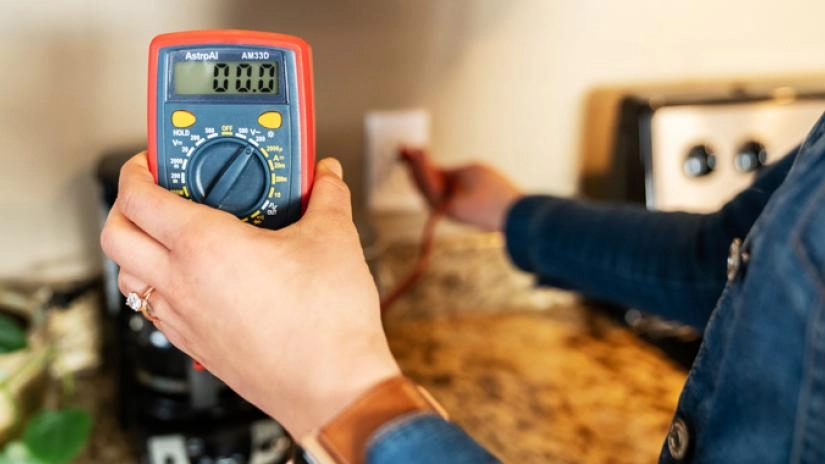
Is Your Electrical Outlet Not Working?
When the simple task of plugging your cell phone charger or hair dryer into the wall leaves you scratching your head and wondering why
Read MoreExpert Tips
View All Expert Tips

Top 8 Electrical Safety Essentials Your Home Needs
The cliche of "always be prepared" reigns true in most areas of life, but especially in homeownership. You never know when the next electrical storm will hit, when you'll suddenly notice mold and mildew in your basement, or when someone will attempt to break into your home. Even if you feel as though these things could never happen to you, it's better to be safe than sorry.
Read MoreSmart Devices: How Safe Are They?
The market for smart home products is worth an estimated $40 billion, with 65% of Americans already owning at least one device or system and a majority of those planning to purchase more in the future. People embrace this trend to increase security, improve energy efficiency, or gain more control over their home’s day-to-day functions.
Read MoreServices We Provide

-
Large Appliance Outlets
Outdoor Outlets
USB Outlets
Tamper Resistant Outlets
Outlet Installation
Outlet Repair
Safety Outlets
Panel Installation
Panel Upgrades and Repair
Circuit Breakers
Surge Protectors
Power Conditioners
Light Switches
Wall Switches
Knob and Tube Wiring Upgrades
Wiring Upgrades
Electrical Code Updates
Electrical Safety Check
Generators
Join Our Team
“We have the power to make things better.” That’s our mantra, not only for our customers' electrical issues, but also you, a future team member!

Your Source for Local Home Service Experts
Neighborly brands repair, maintain, and enhance properties — to make life easier and more enjoyable for homeowners. Our consistency and quality work are the basis for everything we do, and are what make us a leader in the home services space, as we constantly strive to "be so remarkable, we become a beloved household name."
Book Online
A representative from our office will get back to you shortly to schedule service.
Due to a system error, we did not get your request. Please call us for immediate assistance.
We don't currently provide service to this ZIP/postal code.
Yes! You can email me service reminders and other messages.
Mr. Electric, a Neighbourly Company on its own behalf and on behalf of and its affiliates and franchisees requests your consent to send promotional and other electronic messages to you concerning products and services they believe are of interest to you. By checking this box, you agree to receive these messages. You can unsubscribe at any time.
Text opt-in does not apply for Canadian residents.