The electrical panel controls your home's entire power system. In North Port, homes built between 1980 and 2000 have outdated 100-amp panels that struggle to handle modern electrical loads. You run the AC, charge devices, operate pool pumps, and breakers trip. The panel handles stress poorly because it was never designed to meet today's power demands. Panel upgrades replace aging electrical distribution equipment with modern 200-amp systems. North Port sits in Florida's Lightning Alley, where surge stress and coastal humidity corrode connections faster than in most regions. Your home probably has a Federal Pacific, Zinsco, or Challenger panel. These brands were flagged decades ago for fire risk. When breakers fail to trip during overloads, wiring overheats. The solution is straightforward. A modern panel with whole-home surge protection and arc-fault circuit interrupters meets Florida Building Code standards. This is where our North Port electrician steps in.
Panel Upgrades in North Port: Your Trusted Local Experts
Book Online
What Our Services for a Panel Upgrade Include in North Port
A panel upgrade involves more than swapping breaker boxes. The service starts with a complete electrical assessment. Your existing panel is examined for corrosion, your grounding system is tested, and your home's actual electrical load is calculated. North Port's salt air penetrates enclosures through ventilation slots. Corrosion appears as white or green deposits on bus bars and neutral bars. This oxidation increases electrical resistance, which generates heat and creates fire risk. Trust our experienced Venice electricians to assist you.
The main service upgrade replaces the meter base and service entrance cable when moving from 100 to 200 amps. Your utility company coordinates the temporary power disconnect. A new weather head, mast, and meter socket rated for 200-amp service gets installed. Service entrance conductors are sized according to the NEC Article 310 tables. The new panel mounts in the same location as your old one, typically on an exterior wall or in your garage. North Port homes lack basements, so exterior mounting requires weatherproof NEMA 3R enclosures that resist moisture intrusion.
Your new panel includes a main breaker that disconnects all power with one switch. Older panels often used main lug configurations without centralized shutoff capability. The Florida Code now requires readily accessible service disconnects for emergency situations. Combination AFCI/GFCI breakers get installed on circuits serving bedrooms, living rooms, and kitchens. These dual-function breakers provide both arc-fault and ground-fault protection in a single device.
Whole-home surge protection gets integrated directly into the panel. Type 1 or Type 2 surge protective devices clamp voltage spikes before they reach branch circuits. Your surge protector handles 40,000 to 80,000 amps of surge current. This capacity protects against the massive voltage spikes generated by lightning in Florida. The device includes indicator lights that show protection status. When the metal oxide varistors inside wear out from repeated surge events, you'll know it's time to replace them.
Circuit reorganization happens during the upgrade. Every circuit gets labeled clearly, noting which circuit breaker controls which rooms and outlets. A panel schedule gets documented and laminated for future reference. Oversized circuits get downsized. Undersized circuits get upgraded. You end up with a balanced electrical system where no single phase carries excessive load.
Upgrades to the grounding electrode system ensure proper fault protection. New 8-foot copper-clad steel ground rods get driven and bonded to your panel with #6 or larger copper wire. Sandy soil requires resistance testing. If a single rod doesn't achieve the required 25 ohms or less, additional rods get installed spaced at least 6 feet apart. Some installations need grounding plates buried horizontally to increase the earth contact area.
Permit acquisition and inspection coordination are part of every job. The City of North Port Building Services Department requires permits for panel upgrades. Applications are submitted, fees are paid, and inspections are scheduled. The work gets reviewed by certified inspectors who verify code compliance. You receive permit documentation that proves your electrical system meets legal standards.
The system protects your family and supports your lifestyle. You gain capacity for high-SEER AC units, pool equipment, and modern appliances without constant tripping. Sandy soil in North Port requires upgraded grounding electrodes. Coastal salt accelerates busbar oxidation. A 40-year-old panel faces threats you never see until disaster strikes. You deserve a system built for Florida's electrical environment. Contact us today to request a service!
How Our Panel Upgrade Process Works in North Port
Your panel upgrade follows a structured process that minimizes disruption and ensures code compliance. Phone consultations start the process where you describe your electrical problems. Frequent breaker trips, flickering lights, or insurance demands for panel replacement all signal the need for service.
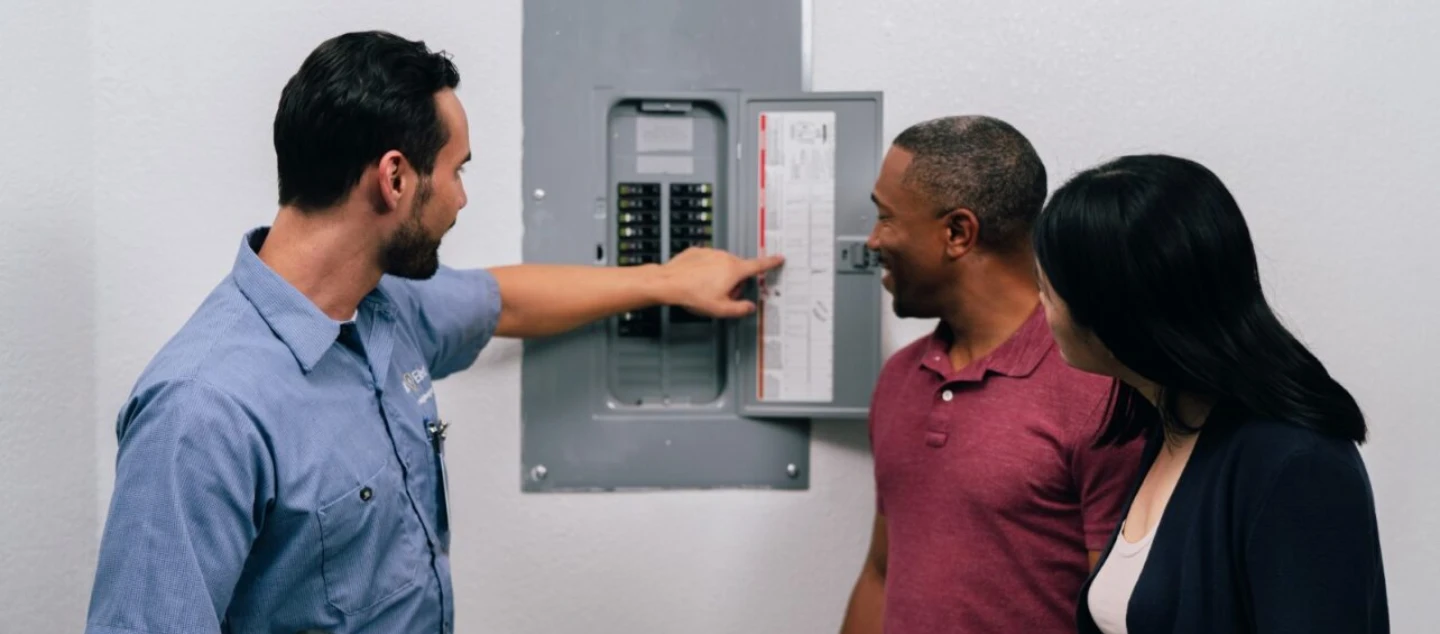
- Step one is the on-site assessment. A licensed electrician inspects the existing panel, checks voltage, examines the breakers for damage, and identifies the panel's brand. Federal Pacific, Zinsco, and Challenger panels get flagged immediately for replacement. Corrosion is photographed, safety hazards are documented, and your home's current electrical draw is measured. You receive a detailed quote that breaks down materials, labor, permit fees, and timeline.
- Step two is the permit application. The project has been submitted to the North Port Building Services Department, along with detailed plans showing panel locations, service sizes, and circuit protection. Permit approval typically takes 3-5 business days. Installation gets scheduled only after permits are issued.
- Step three is the installation day. The crew arrives with a new panel, breakers, a surge protector, and all necessary materials. Coordination happens with your utility to disconnect power at the meter. The old panel comes down. All existing wiring is verified, damaged conductors are replaced, and a new 200-amp panel is mounted. Branch circuits get reconnected with proper torque on all terminals. The surge protector is installed, all circuits have been tested, and power has been restored.
- Step four is inspection and closeout. The city inspector reviews the work, tests GFCI and AFCI breakers, and verifies grounding electrode resistance. You receive a passed inspection certificate and final permit documentation. The work area gets cleaned, all debris gets removed, and you receive a panel schedule that identifies every circuit.
Areas We Serve in North Port
Mr. Electric of Venice serves every North Port neighborhood with expert panel upgrade service. Electricians work regularly in Warm Mineral Springs, where homes built in the 1980s contain Federal Pacific panels that need immediate replacement. South Gulf Cove properties feature exterior-mounted panels exposed to salt air, which can cause corrosion. Heron Creek homes built in the early 2000s often need capacity upgrades to support pool equipment and dual HVAC zones.
Our service extends to Wellen Park, North Port's newest master-planned community, where modern homes occasionally need panel upgrades to add dedicated circuits for workshops or outdoor kitchens. Bobcat Trail and Salford neighborhoods contain GDC-era homes with 100-amp service that can't support today's electrical demands. Port Charlotte Estates and Myakka River Park areas also receive panel upgrade expertise. Whether your home sits near Myakkahatchee Creek or along the Myakka River corridor, electricians understand local soil conditions, building codes, and the environmental factors affecting electrical systems in the area.
Why Choose Mr. Electric of Venice for Panel Upgrades in North Port?
Federal Pacific and Zinsco panel replacement protects your home from fire hazards. North Port neighborhoods like Warm Mineral Springs, South Gulf Cove, and Heron Creek contain thousands of homes with these dangerous panels. Federal Pacific breakers fail to trip in overcurrent conditions up to 60% of the time, according to independent testing. You get UL-listed equipment that meets current safety standards. Your home gains protection that the original builder never installed.
A 1990s GDC home came with a 100-amp panel sized for window AC units and basic appliances. If you operate dual-zone HVAC systems, pool heat pumps, and high-demand electronics, you must upgrade to 200-amp service to prevent overloading circuits. Breakers trip only when they should. Your system operates within safe parameters rather than skating on the edge of failure.
Whole-home surge protection comes standard in every upgrade. North Port averages 100 lightning days per year. That puts your electronics at constant risk. Type 1 surge protective devices installed at the main panel shield everything plugged into outlets. A direct strike to nearby infrastructure sends voltage spikes through utility lines. Without surge protection, your HVAC control boards, refrigerator computers, and home automation systems fry.
Arc-fault circuit interrupter retrofitting protects bedrooms and living areas. AFCI breakers detect dangerous electrical arcing, the spark that ignites insulation and framing. The Florida Building Code requires AFCI protection on upgraded circuits serving bedrooms and living spaces. These breakers cost more than standard units, but they catch faults that standard breakers miss. Your family sleeps more safely knowing the system shuts down before fire starts.
Sandy soil grounding gets corrected during every upgrade. North Port's sandy substrate doesn't conduct electricity well. Your existing ground rod has likely corroded or shifted. Proper grounding dissipates lightning strikes and stabilizes voltage. New copper-clad steel rods get driven, resistance gets tested, and your system meets Florida Code specifications. You won't pass inspection without this step.
Insurance compliance matters. Many North Port homeowners receive non-renewal notices citing Federal Pacific or Zinsco panels. Your insurance company views these panels as unacceptable fire risks. You receive documentation that your insurer needs to restore coverage. Panel upgrades often reduce premiums through credits for updated electrical systems.
1101 S Tamiami Trail Ste 215A3 Venice, FL 34285, United States